
Last updated November 18, 2026
 Hardwood
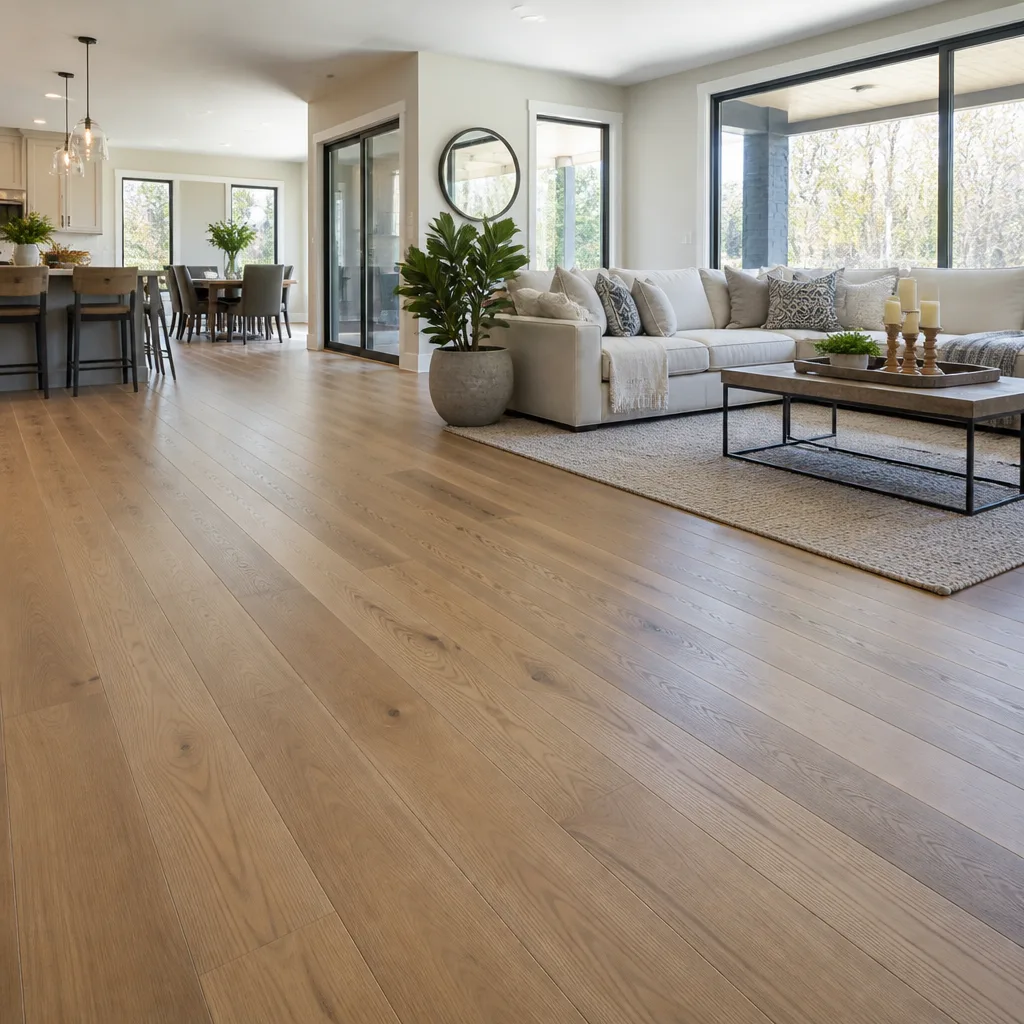 Engineered hardwood
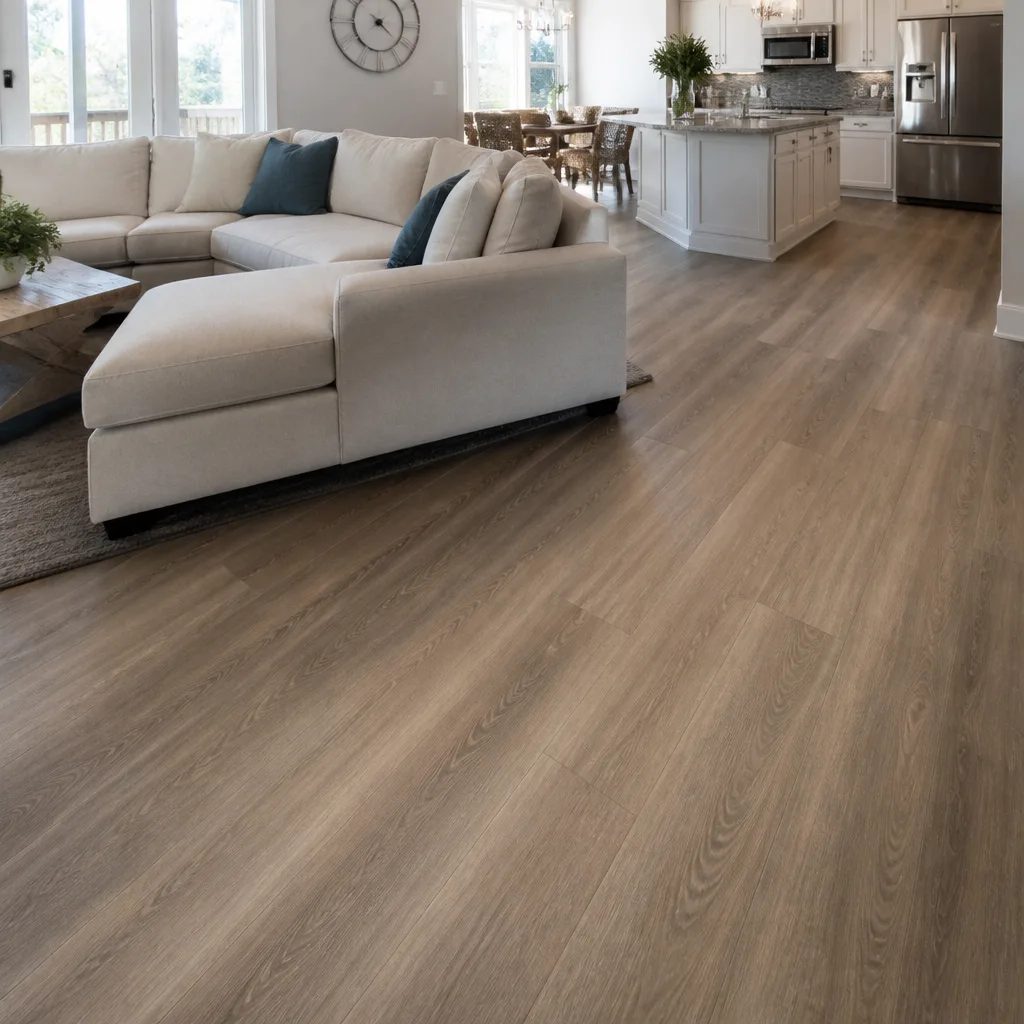 Luxury vinyl plank
 Laminate
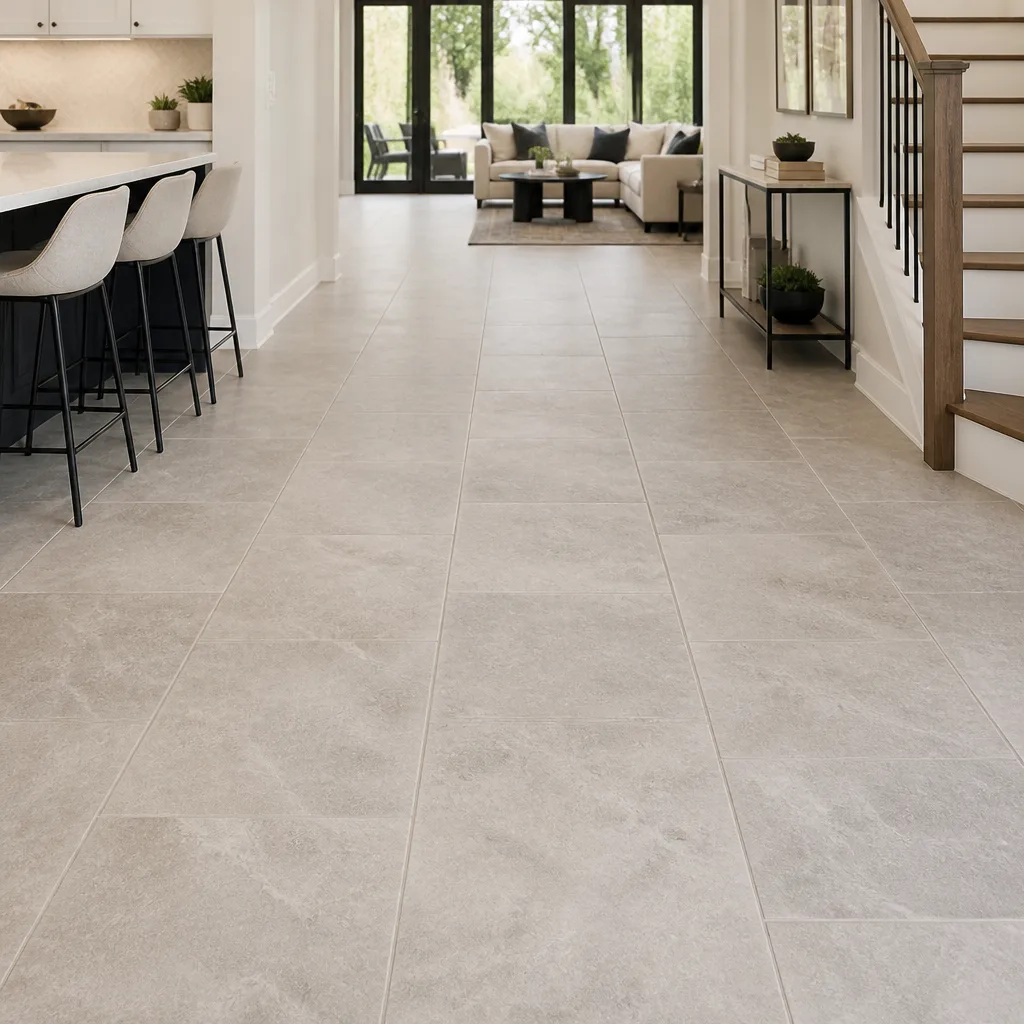 Porcelain tile
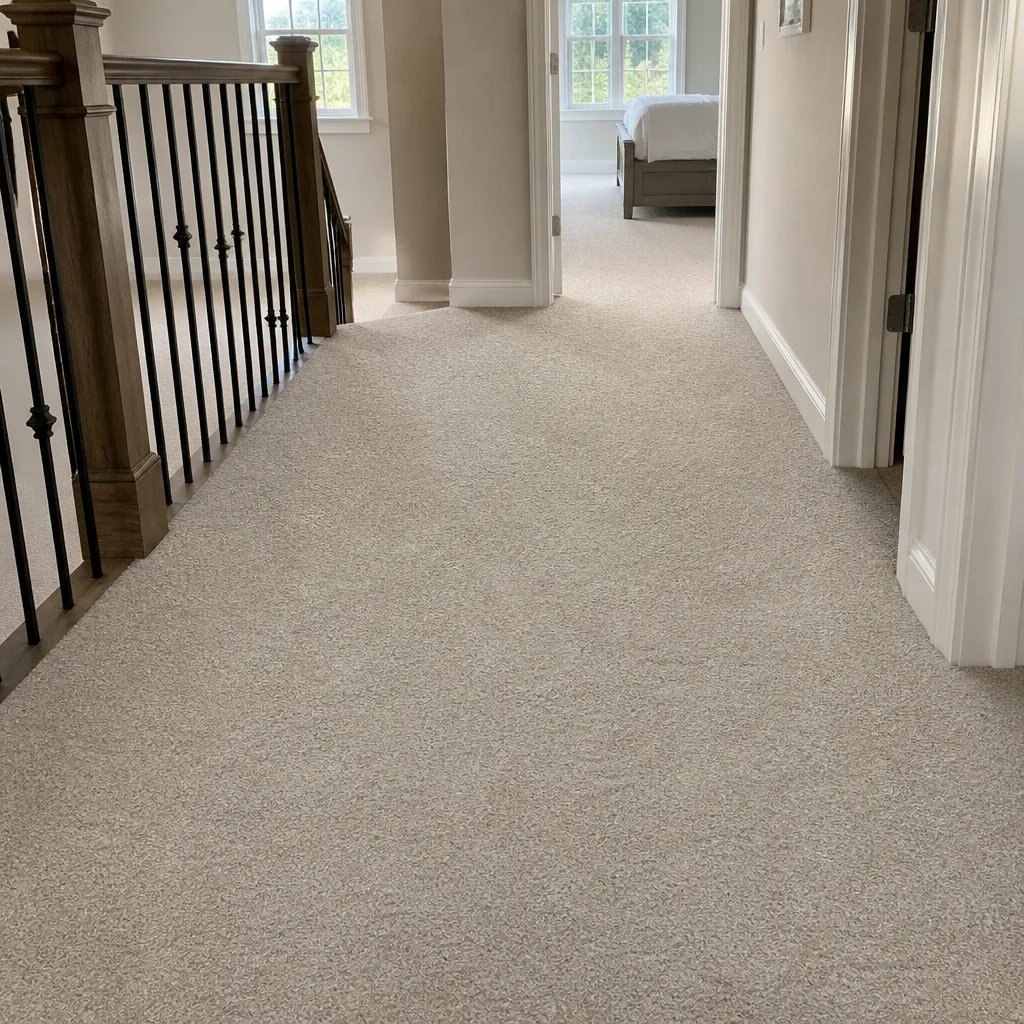 Carpet
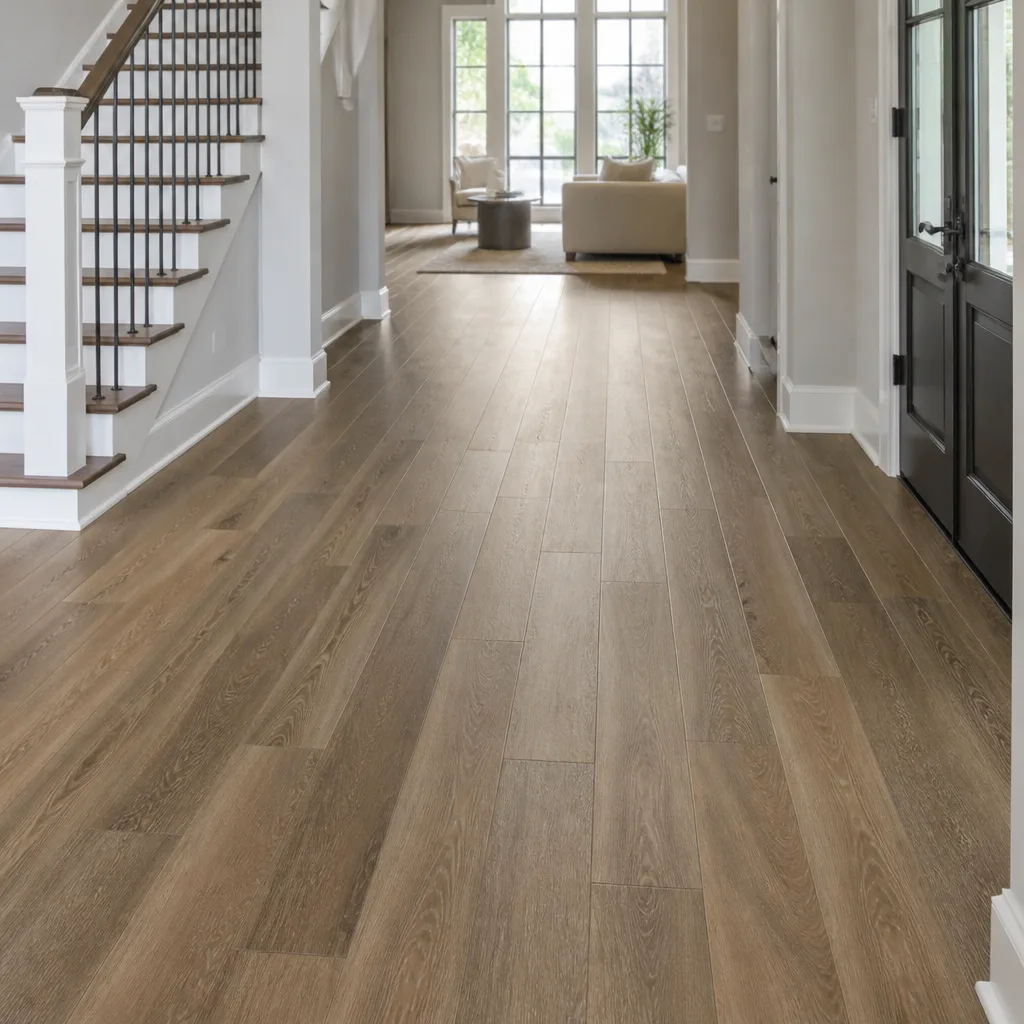 Shaw
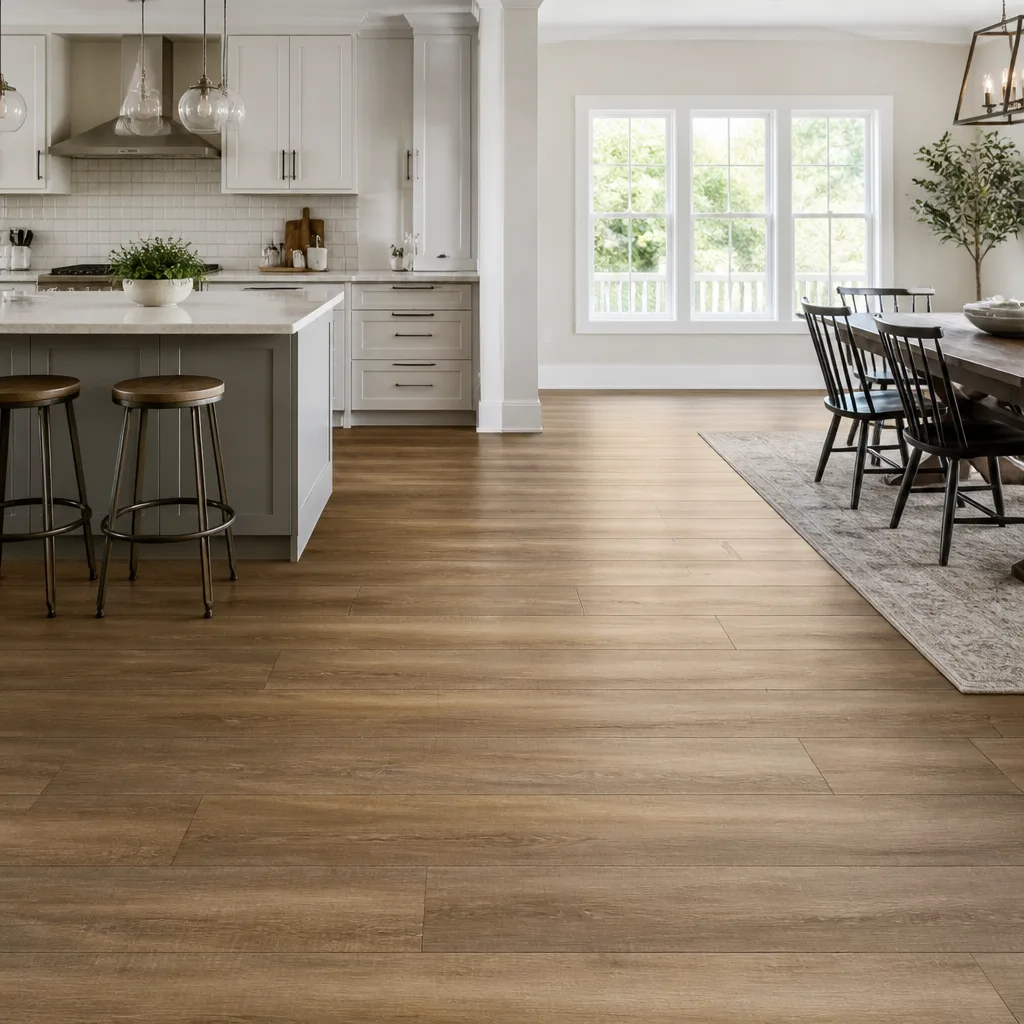 Mohawk
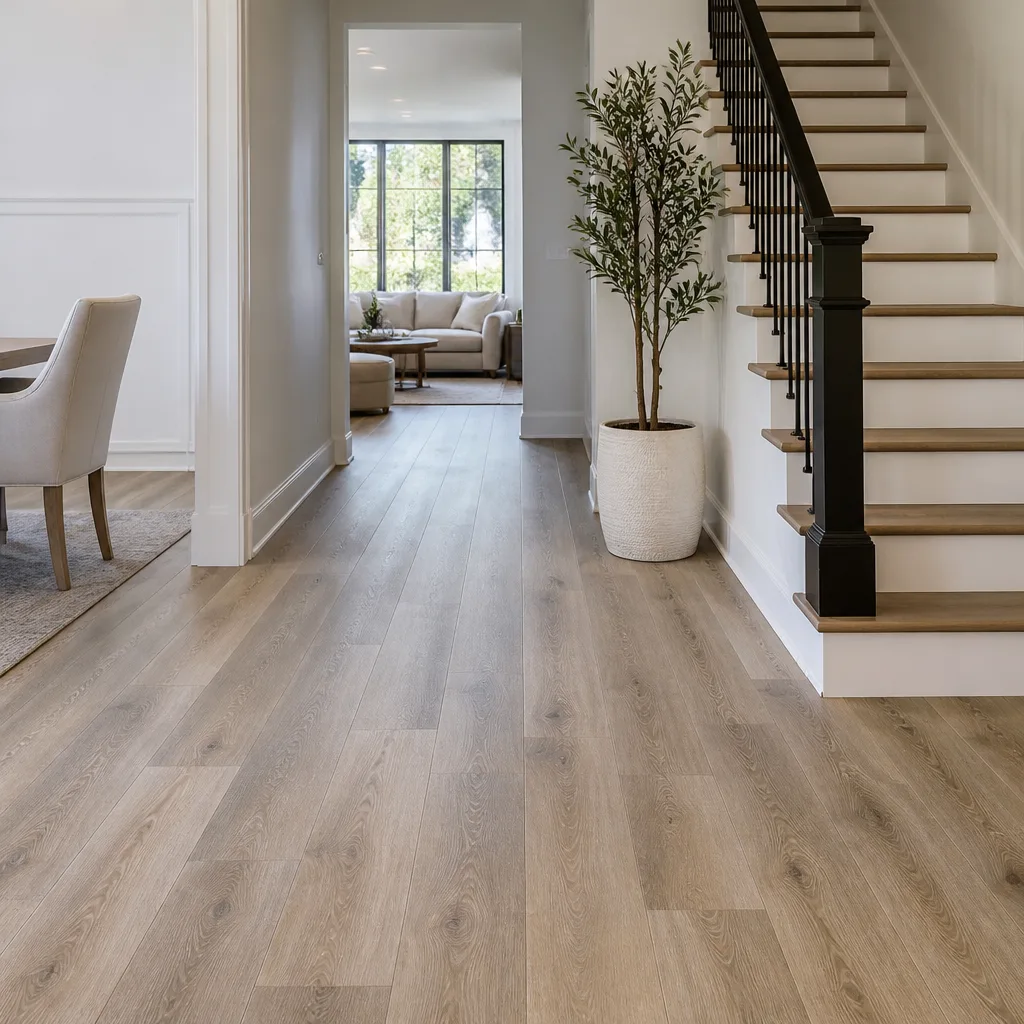 COREtec
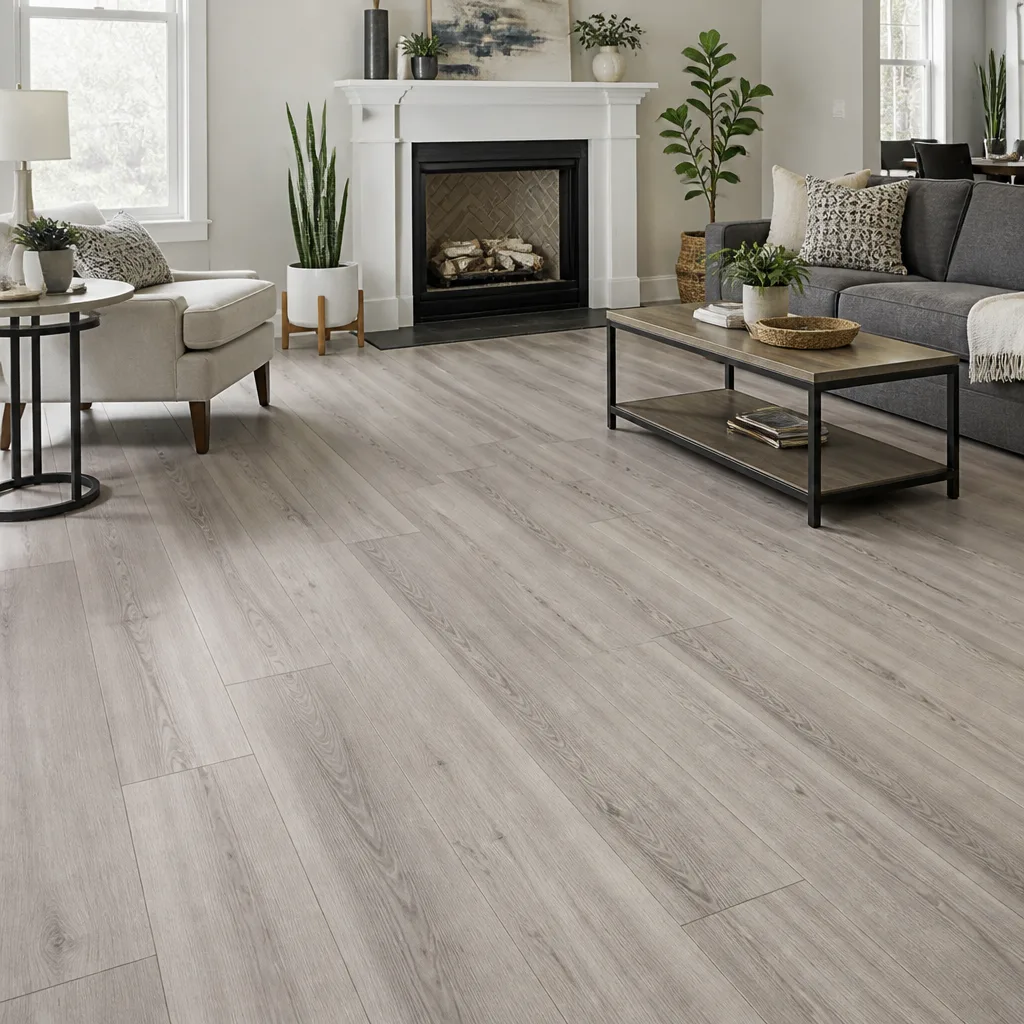 Pergo
Free in-home measure and written estimate: Shaw, Mohawk, COREtec and Pergo lines compared on your own rooms, with carpet, tile, vinyl plank, laminate and hardwood laid out side by side
Get your free estimateHow to Care for New Flooring: Hardwood, Vinyl, Laminate, Tile and Carpet
The biggest cause of premature finish wear on floors in Las Vegas isn’t foot traffic. It’s dust. Fine silica particles blow in on the wind, get tracked through the door, and settle into a thin grit layer that grinds under every step like sandpaper on a belt. A floor that gets walked on a thousand times a day with that grit in place ages faster than one that gets cleaned properly twice a week. Most care guides are written for milder climates and don’t mention this at all. This guide covers the routine that actually works in a desert home: hardwood, vinyl, laminate, tile and carpet, plus the first-year schedule that sets a new floor up to last.
Quick Answer
Care for new flooring in Las Vegas by removing abrasive dust before it gets ground in: vacuum or sweep with a microfiber head first, then damp-mop with a pH-neutral cleaner made for that floor type. Keep indoor humidity steady for hardwood, manage UV exposure through west-facing glass, and reseal grout more often than national guidelines suggest. No floor in a desert home should be cleaned with vinegar, bleach, steam or a soaked mop.
Styles & brands we work with
- Hardwood
- Engineered hardwood
- Luxury vinyl plank
- Laminate
- Porcelain tile
- Carpet
- Shaw
- Mohawk
- COREtec
- Pergo
Table of Contents
- The Las Vegas Dust Protocol: Clean in the Right Order
- Caring for Hardwood and Engineered Wood in Dry Air
- Vinyl and Luxury Vinyl: Water-Resistant, Not Indestructible
- Laminate Care: Protecting the Core
- Tile and Grout in a Dry Climate
- Carpet Care for Desert Homes
- UV Fade by Material: What’s Real and What Isn’t
- The First-Year Care Calendar
- Common Mistakes to Avoid
- When to Call a Professional
The Las Vegas Dust Protocol: Clean in the Right Order
Dry mopping first is the mistake we see most often. A dry mop or a broom pushes grit across the surface instead of lifting it, and on a smooth floor that grit scratches as it travels. The correct sequence is two steps, and the order matters as much as the products.
- Lift loose grit with suction or a microfiber head. A vacuum with the beater bar off, or a flat microfiber mop used dry, picks particles up rather than dragging them. Work from the far corner toward the exit so you’re not walking back through what you just cleaned.
- Damp-mop with a cleaner matched to the floor. Damp means the mop head is wrung until it barely leaves a haze. A wet mop pushes water into seams, and in a dry climate that water doesn’t evaporate evenly.
Outside, a walk-off mat at every exterior door catches the worst of it before it reaches the floor. In Las Vegas, where wind carries fine dust across open lots and new construction, that mat does more for finish life than any cleaner you can buy.
How often: high-traffic rooms get the two-step routine two or three times a week. Bedrooms and low-traffic areas can go weekly. During a windy stretch, add a midweek pass in entryways and hallways.
What to keep out of the bucket: vinegar, bleach, ammonia, oil-based polish and anything labeled “heavy-duty.” Over time they dull finishes, strip sealers and leave a film that traps dust. A pH-neutral cleaner made for the specific floor is the whole answer.
When we help homeowners plan a floor for a busy entryway or a room with doors to the yard, the conversation starts with what the room demands, not what’s trending. If you’re still choosing surfaces, our flooring installation Las Vegas page walks through how we match product to room. You can also see the full range of what we install across Las Vegas.
Caring for Hardwood and Engineered Wood in Dry Air
Wood moves with humidity, and Las Vegas runs dry most of the year. When indoor air dries out, solid and engineered planks lose moisture and shrink slightly. That’s when you see seasonal gaps open along the seams, and in severe cases cupping or checking at the surface. The fix isn’t a wet mop. It’s humidity control.
The target range: aim for indoor relative humidity between roughly 35% and 55%. Below that, gaps widen. Above it, boards can swell. A cheap hygrometer from any hardware aisle tells you where the house sits, and in a desert home it usually reads lower than people expect, especially in winter when the furnace runs.
Whole-home humidifier vs. room units. A whole-home humidifier tied into the HVAC system holds a steady level across the house, which is what hardwood needs. Portable room units work for a single bedroom or a small area but need refilling and don’t reach behind furniture or under beds. If you have wood flooring in more than one room, the whole-home option is usually the practical one.
Why it matters beyond comfort: most wood flooring manufacturers tie their coverage to maintained indoor humidity, and a claim can be questioned if the home was never kept in range. A hygrometer reading and a humidifier running through the dry months are simple records.
For daily care: dry microfiber to lift dust, a slightly damp mop with a wood-safe cleaner when needed, felt pads under every chair leg, and area rugs in front of the sink and the most-used seating. Wipe spills promptly. Never let water stand, and never steam-mop wood.
If an existing wood floor has gone dull, scratched or gray from wear, refinishing restores the surface rather than replacing it. That’s a dedicated service for us, and it’s worth understanding before you assume a floor needs to come out.
Vinyl and Luxury Vinyl: Water-Resistant, Not Indestructible
Luxury vinyl is a strong choice for kitchens, baths, laundry rooms and homes with pets, and brands like COREtec and Karndean make products that hold up well to moisture on the surface. That doesn’t make standing water harmless. Water that sits along a seam or pools at the edge of a cabinet can work its way underneath, and moisture coming up from the slab is a separate issue that no surface product solves.
Daily care is simple:
- Sweep or vacuum with a microfiber head to lift grit. This is the single biggest thing you can do for a vinyl floor in Las Vegas.
- Damp-mop with a pH-neutral vinyl cleaner. Skip steam mops, abrasive pads and anything with wax.
- Wipe up spills promptly, especially near seams and at the toe-kick of cabinets.
- Use felt pads under furniture legs and a mat at the door where grit enters.
What to avoid: rubber-backed mats can discolor vinyl over time, so use a mat with a breathable backing. Heavy furniture dragged without pads can tear or scuff the wear layer. And avoid “shine” products that build a film, which dulls faster than the factory finish and traps dust.
LifeProof and COREtec both make water-resistant lines built for high-moisture rooms, and they’re a natural fit for a family that wants to stop worrying about the floor when a cup goes over. If you’re weighing options across rooms, our carpet installation page shows how soft surfaces compare for bedrooms when vinyl takes the harder-working rooms.
Laminate Care: Protecting the Core
Laminate has a tough wear surface over a core that’s sensitive to moisture. The top layer handles daily traffic well. The core is where problems start, usually from a wet mop pushing water into a seam. Keep laminate dry and it holds up for years.
Care basics:
- Dry-clean first, always. Vacuum with the beater bar off, or sweep with a microfiber head.
- Damp-mop with a cleaner made for laminate, wrung nearly dry. Never a wet mop, never steam.
- Wipe spills right away and dry the spot with a cloth.
- Keep a mat at exterior doors and a small tray under pet bowls.
Laminate is water-resistant to surface spills, not to standing water. A leaky appliance line or a plant that’s overwatered onto the floor can swell the core, and once the core swells it doesn’t come back. In a Las Vegas home, the bigger risk is grit rather than water. Laminate’s wear surface is tough, but a layer of tracked-in dust under moving furniture still scuffs it. The two-step dust routine from earlier in this guide does more for a laminate floor than any specialty product.
Pergo and Mannington both make laminate lines that hold up to family traffic. When you’re comparing laminate against vinyl for a given room, the decision usually comes down to moisture exposure and how the home feels about sound underfoot.
Tile and Grout in a Dry Climate
Tile itself needs very little: sweep, damp-mop, done. Grout is the part that needs attention in Las Vegas. Grout is porous, and in a dry climate it dries out and can crack along the joints, especially over a wood subfloor or in sun-exposed rooms where the temperature swings. Sanded grout lines in a high-traffic entryway take the worst of it.
Why the sealer schedule is different here. Most manufacturer guidelines for grout sealer are written for national averages that include humid climates. In Las Vegas, the combination of dry air, airborne dust and sun exposure ages grout faster. Practical schedule: plan on resealing grout in entryways and kitchens more often than the product instructions suggest, and check with your installer about the interval for your specific grout and room. Sealed grout sheds water and resists staining, and a simple water-drop test tells you when it’s time again: if water soaks in instead of beading, reseal.
Daily care for tile:
- Sweep or vacuum first, then damp-mop with a pH-neutral tile cleaner.
- For porcelain and ceramic floors, a microfiber mop is all you need.
- Keep bleach and vinegar out of regular use. Both can damage grout over time. Use them only for specific stains and rinse thoroughly.
- In bathrooms, squeegee shower walls and run the fan. Standing water is a grout problem even in a dry climate.
Daltile porcelain and ceramic products are a common choice for kitchens, bathrooms and entryways, and they hold up well to this kind of routine. If you want to understand how grout lines are laid out for durability before a project, our tile flooring installation page covers the planning side.
Carpet Care for Desert Homes
Carpet in Las Vegas collects fine dust in a way that carpet in wetter climates doesn’t. The fibers trap particles deep at the base, and every walk over the surface grinds them further in. Vacuuming regularly and thoroughly is the single biggest care step for carpet in a desert home.
Routine that works:
- Vacuum high-traffic zones twice a week or more. Use slow passes with good suction. Fast back-and-forth across the surface doesn’t pull dust from the base of the pile.
- Vacuum wall-to-wall at least weekly. Include edges and under furniture, where dust settles undisturbed.
- Blot spills, don’t rub. Press a clean white cloth down, work from the outside in, and use a carpet-safe cleaner matched to the fiber. Test in a hidden spot first.
- Take your shoes off at the door, or add a mat. Most of the grit on a carpet floor arrived from outside.
Shaw and Mohawk both make carpet with wear surfaces designed for family traffic, and the right one depends on the room. In a home with pets, look at a lower pile and a tighter twist, which holds less dust and cleans more easily.
Avoid steam cleaning too often. Deep cleaning done too frequently can leave the carpet damp longer than it should be, and in a dry climate the moisture doesn’t always leave evenly. Most homes do well with a professional deep clean periodically, timed to how the house is used. Ask your installer about the right interval for your carpet when it goes in.
UV Fade by Material: What’s Real and What Isn’t
Las Vegas sunlight is intense, and windows that face west get the worst of it in the afternoon. Over months and years, that light affects flooring finishes and colors. How much depends on the material, and the honest answer is that “UV-resistant” claims are often narrower than the marketing suggests.
- Hardwood: finishes and wood tones both respond to sun exposure. Light and dark woods fade or amber at different rates.
- Vinyl and luxury vinyl: UV stabilization helps, but very strong direct sun over long stretches still affects the surface. Curtains or sheers help most.
- Laminate: wear surfaces are printed and sealed, and colors hold reasonably well, but a window-side strip can still drift over years.
- Tile: the tile body is stable, but grout can discolor under sun exposure.
- Carpet: dyed fibers are vulnerable to fading, especially in south- and west-facing rooms.
Practical fix: window treatments are the cheapest UV protection you can buy. Sheers, solar shades, blinds or even a UV film on the glass cut direct exposure during the strongest part of the day. Pulling shades on west-facing glass during the afternoon keeps a floor’s finish from taking the brunt of the sun.
Rotate area rugs and move furniture slightly every few months so the floor underneath ages at the same rate as the exposed areas. It’s the easiest way to avoid a “shadow” where a rug or a couch used to sit.
The First-Year Care Calendar
New floors settle into their environment in the first year, and the actions you take in that window set up how well the floor holds for the next ten. This schedule works across materials with small adjustments by floor type.
- Month 1 – Establish the routine and check for early issues. Set up the two-step cleaning routine from day one. Note any spots that look off: gaps along seams in wood, a lifted tile edge, a stain that won’t lift from carpet. Flag them with the installer while the job is fresh. Add walk-off mats at every exterior door.
- Month 3 – Check humidity and grout. Read the hygrometer across a week to see where the house sits. Start the humidifier early if wood flooring is in the home. In tile areas, run a water-drop test on grout to see if the sealer has already worn in high-traffic spots.
- Month 6 – Deep clean and assess UV exposure. Vacuum carpet edges and under furniture. Check for color drift near windows and add sheers or film if needed. Wipe down baseboards, where dust settles and presses against the floor. Reassess the cleaning routine against how the household actually lives.
- Month 12 – Annual walkthrough. Rotate rugs and shift furniture slightly. Have carpet deep-cleaned if traffic warrants it. Check wood humidity again through the dry season and adjust the humidifier. Reseal grout if the water-drop test showed it needed it. Plan any refinishing for the year ahead if wood has taken on scratches or dulling.
Pin this schedule to a calendar and it becomes automatic. Homes in Las Vegas with heavy dust exposure and pets will need to do a bit more of each step. Homes with low traffic can stretch the intervals.
Common Mistakes to Avoid
- Sweeping or dry-mopping first. This drags abrasive dust across the surface rather than lifting it. Vacuum or use a microfiber head first, then damp-mop.
- Using a wet mop on wood, laminate or vinyl. Even water-resistant surfaces don’t want standing water at the seams. A wrung-out mop head is the limit.
- Skipping humidity control on wood floors. Seasonal dryness in Las Vegas opens seams and stresses finishes. A hygrometer and a humidifier handle this before it gets expensive.
- Reaching for vinegar, bleach or oil soaps. These damage finishes, grout and sealers over time. Use pH-neutral cleaners matched to the floor.
- Going long stretches without resealing grout. Dry air and dust age grout faster here than national guidelines assume. Test with a water drop and reseal sooner than the standard interval suggests.
- Ignoring UV exposure through west-facing glass. A floor with faded strips under windows can’t be brought back without replacing boards. Window treatments prevent it from the start.
- Trusting “hardwood-safe” pads and cleaners without reading what’s on the label. Products change. Confirm with the installer or the product instructions when unsure.
When to Call a Professional
Routine care handles most of what a floor needs. Some problems need an installer’s eyes. Call us if wood is cupping, checking or showing gaps that widen noticeably through the dry season. Call if a section of laminate has swelled or lifted at a seam. Call if hardwood has gone beyond what cleaning can fix and you’re considering refinishing. Call before a leak or a spill becomes a floor replacement. Our technicians have up to 13 years of experience and know what these floors do in this climate. Flooring Installation Las Vegas offers free estimates in Las Vegas: call (888) 294-5867. We answer 24/7. Fast dispatch from 7am to 7pm, Sunday through Friday.
See the difference
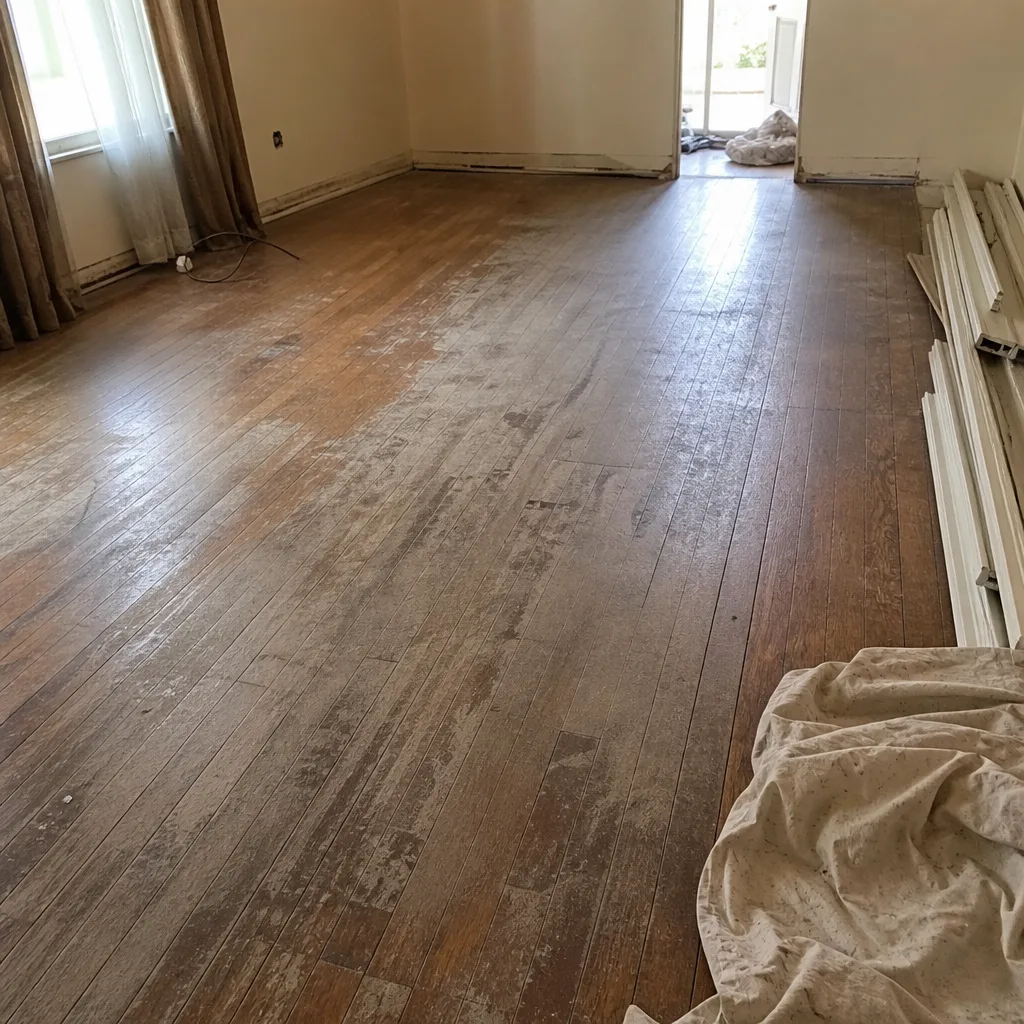 Before
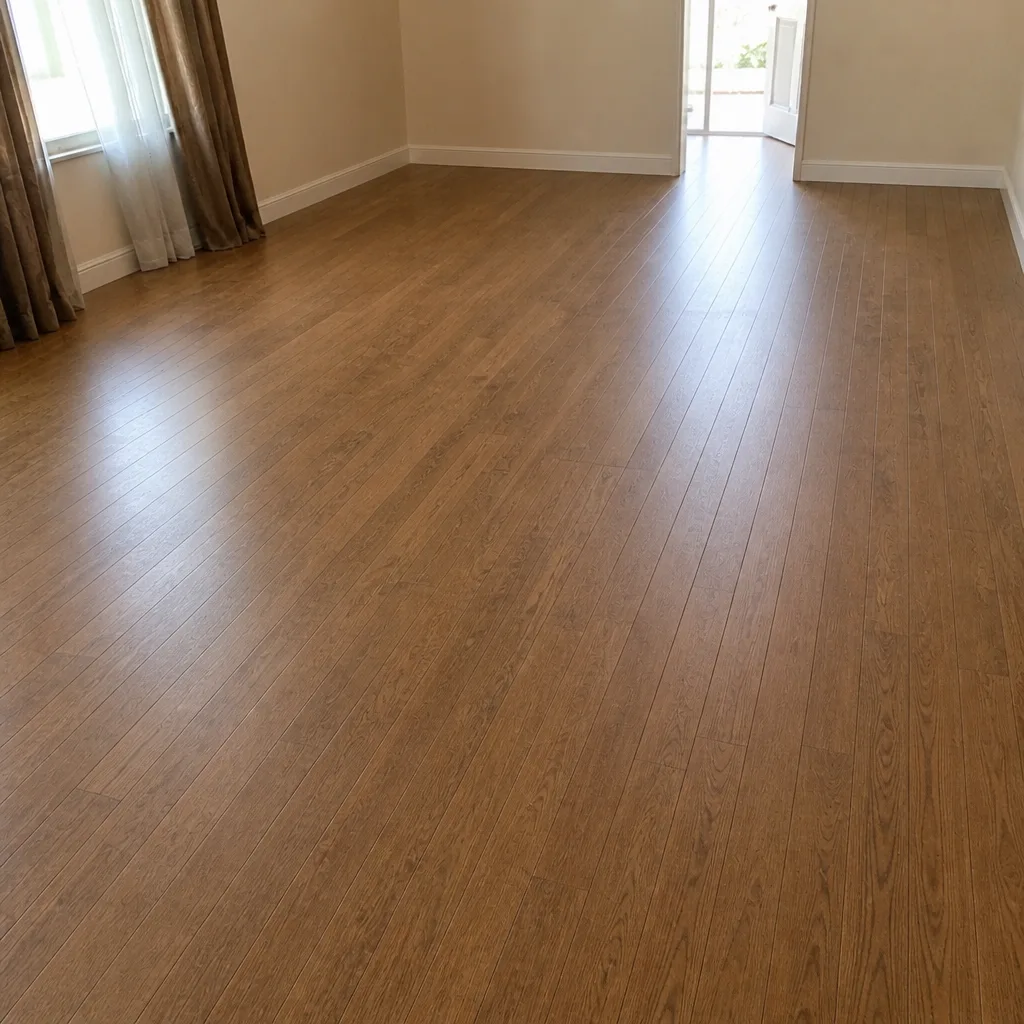 After
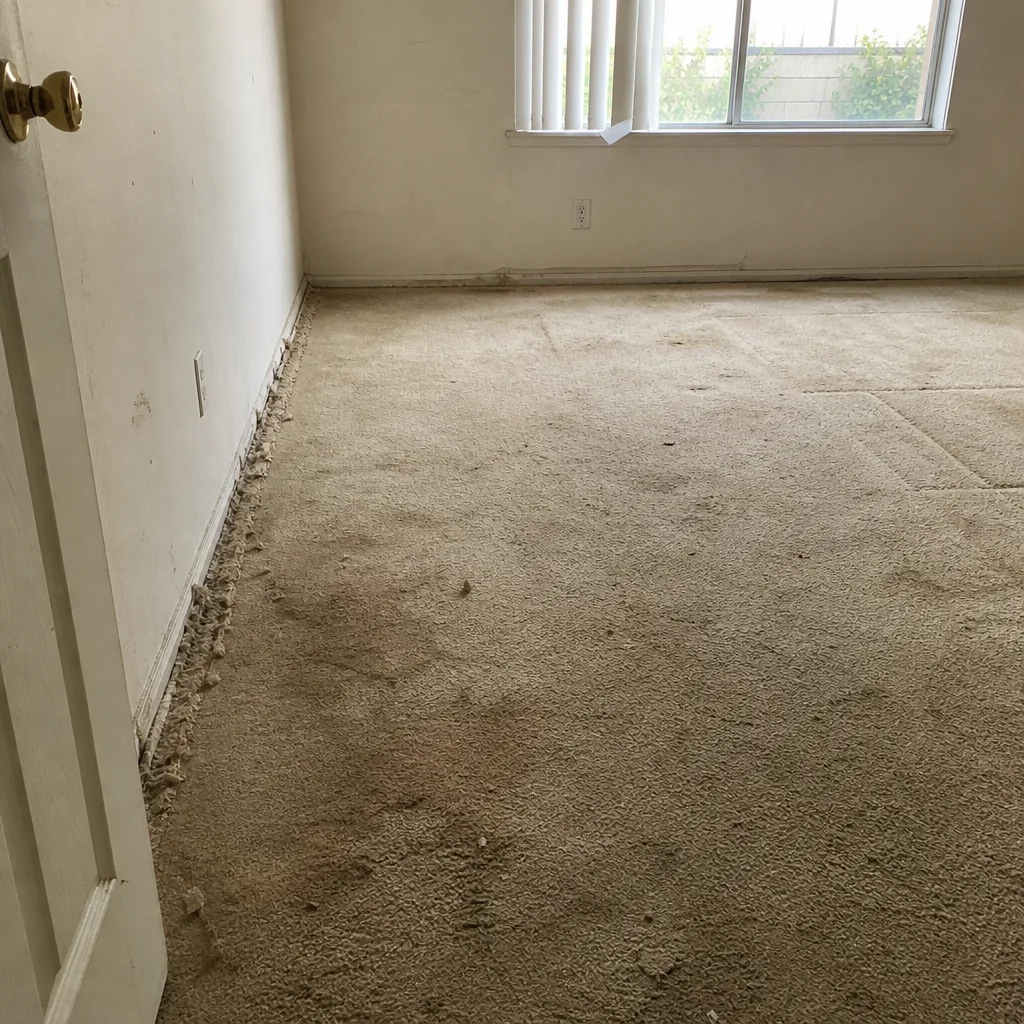 Before
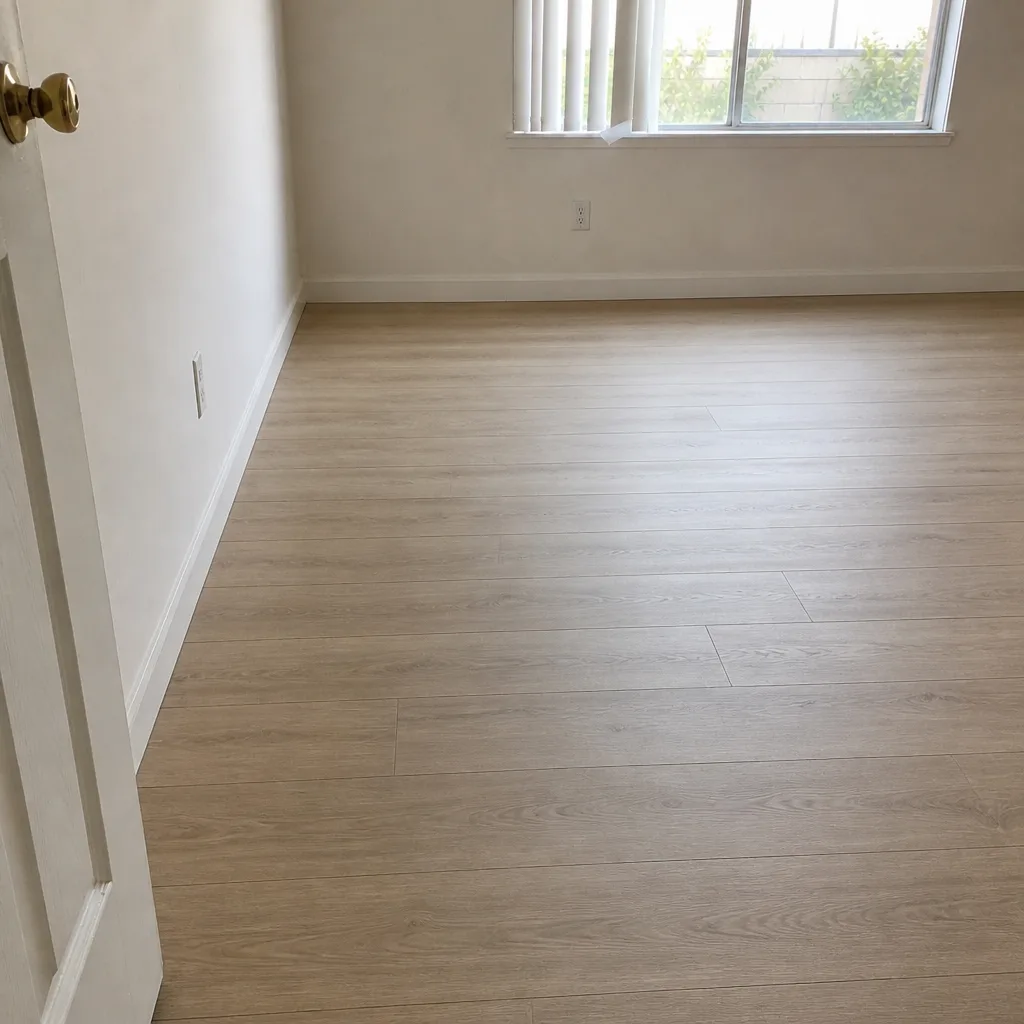 After
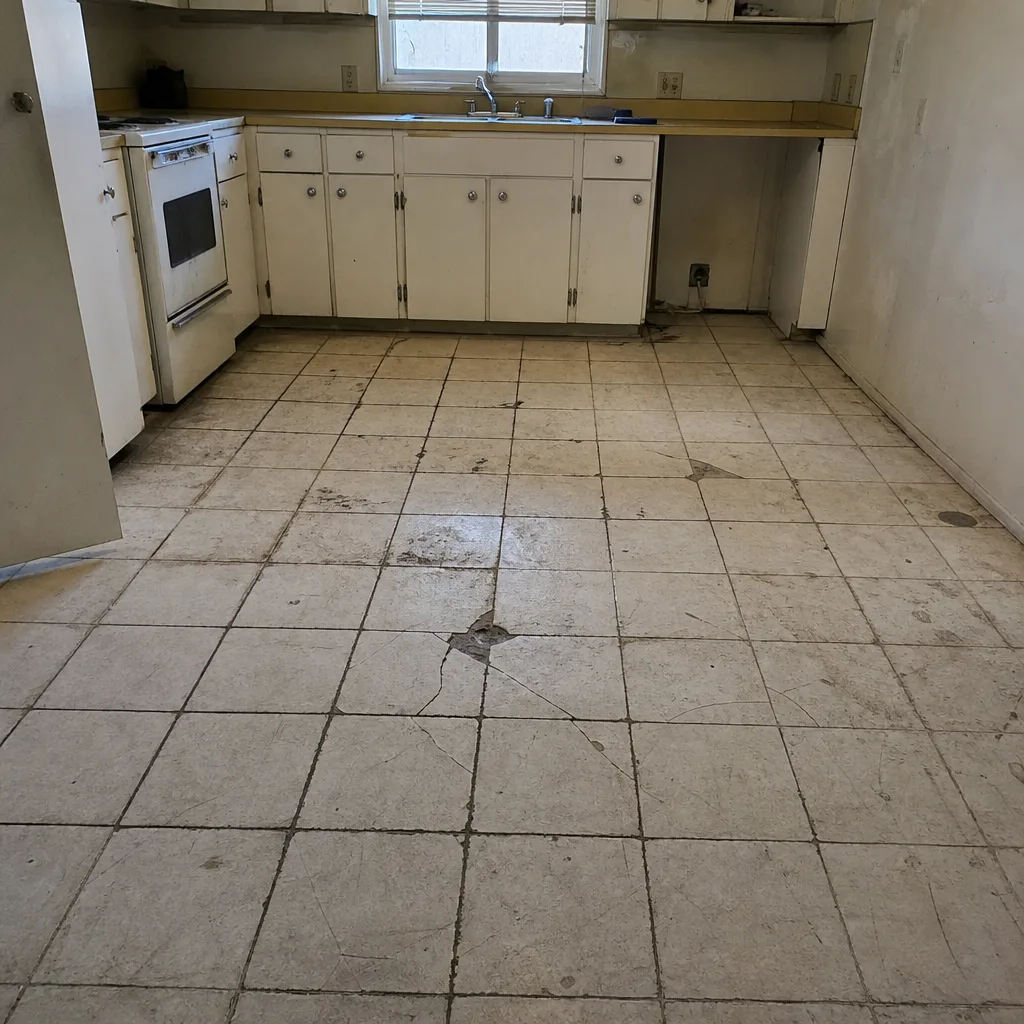 Before
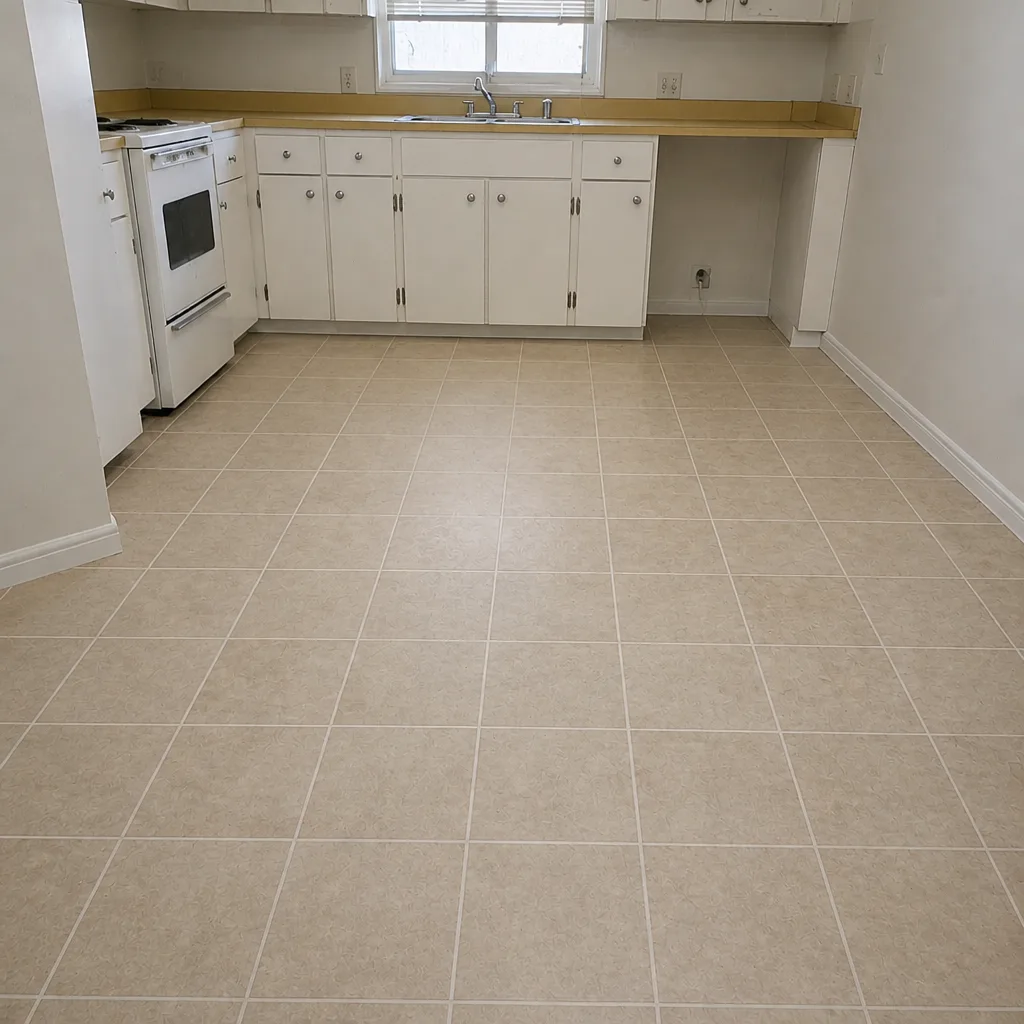 After
Frequently Asked Questions
High-traffic rooms need the two-step routine (vacuum or microfiber sweep, then damp-mop) two to three times a week, and bedrooms can go weekly. The dust load in Las Vegas is heavier than in wetter climates, so add a midweek pass on windy days. Call (888) 294-5867 for an exact quote on installation, refinishing or a specific floor product – estimates are free.
Yes, if you want hardwood to stay stable through the dry months. Aim for indoor relative humidity around 35% to 55%, and a whole-home humidifier holds it there across the house. A portable room unit works for one bedroom. Call (888) 294-5867 to talk through options for a new or existing wood floor.
Water-resistant, not waterproof. LifeProof, COREtec and similar brands handle surface spills and moisture from above well, but standing water along seams and moisture from below still cause problems. Wipe spills promptly and treat any leak as a real concern. Call (888) 294-5867 for a free estimate on a water-resistant floor for a specific room.
More often than national guidelines suggest. In Las Vegas, grout in entryways and kitchens should be checked regularly, and a simple water-drop test tells you when resealing is due: if water soaks in rather than beading, it’s time. Call (888) 294-5867 for an estimate on tile installation or grout service.
Often yes, but it depends on the thickness of the wood and its condition. Refinishing restores the surface rather than replacing the floor, and an estimate visit confirms whether a floor is a candidate. Call (888) 294-5867 for a free estimate – we’ll check the boards in person.
Stop it at the door. A walk-off mat at every exterior door removes most of the grit before it reaches the floor, and the two-step cleaning routine lifts what gets past. On windy days, a midweek vacuum pass in entryways and hallways keeps the grit from building up. Call (888) 294-5867 for a free estimate and product recommendations that stand up to desert conditions.
The Bottom Line
Floor care in Las Vegas is mostly about two things: keeping abrasive dust out of the finish and keeping the indoor air stable. Every floor type has a version of the same routine – lift loose grit, damp-mop with the right cleaner, avoid water at the seams, and stay ahead of the local conditions. Hardwood wants humidity control. Vinyl and laminate want a dry mop. Tile wants prompt grout resealing. Carpet wants thorough vacuuming. The first-year calendar ties it all together, and the right products at installation make every step easier. That’s the routine. Call (888) 294-5867. We answer 24/7. Fast dispatch from 7am to 7pm, Sunday through Friday, for a free estimate on new flooring, refinishing or a first look at what your floor needs.
Written by the team at Flooring Installation Las Vegas.