
Last updated November 18, 2026
 Hardwood
 Engineered hardwood
 Luxury vinyl plank
 Laminate
 Porcelain tile
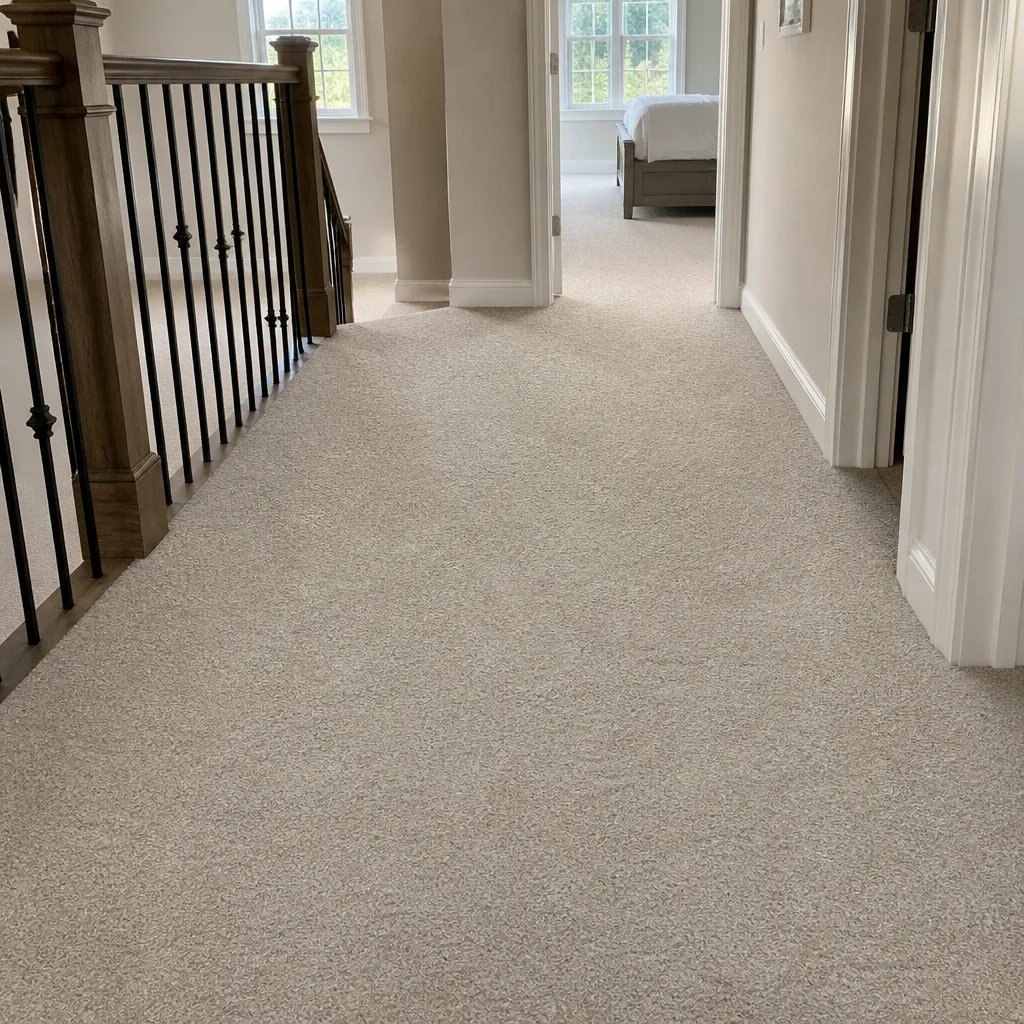 Carpet
 Shaw
 Mohawk
 COREtec
 Pergo
Free in-home measure and written estimate: Shaw, Mohawk, COREtec and Pergo lines compared on your own rooms, with carpet, tile, vinyl plank, laminate and hardwood laid out side by side
Get your free estimateFlooring Installation Questions to Ask Before You Sign
Most flooring contracts in Las Vegas don’t say who pays for subfloor repairs found mid-installation. That missing clause turns a fixed price into an open tab, and the homeowner has no written basis to push back. The sample board you fell in love with has no legal weight. The contract does. In this guide we walk through the five clauses worth negotiating before you sign: the subfloor repair trigger, spec-compliant installation language that protects your product warranty, a real acclimation commitment, a payment schedule tied to milestones, and a workmanship warranty you can actually use. Las Vegas homes have their own quirks, and the contract should account for them.
Quick Answer
The questions that matter most before signing a flooring contract are about responsibility, not price. Ask who pays for unforeseen subfloor repair and whether there’s a not-to-exceed cap, whether the contract requires installation to manufacturer specifications, how long materials will acclimate in your home before work begins, what the payment schedule looks like at each milestone, and what workmanship warranty backs the labor. Get all five in writing. A clear contract protects you far more than a low bid does.
Styles & brands we work with
- Hardwood
- Engineered hardwood
- Luxury vinyl plank
- Laminate
- Porcelain tile
- Carpet
- Shaw
- Mohawk
- COREtec
- Pergo
Table of Contents
- Who pays for subfloor repairs discovered mid-installation?
- Does the contract require spec-compliant installation?
- How long will your materials acclimate before installation?
- What does a legitimate payment schedule look like?
- What’s the difference between a product warranty and a workmanship warranty?
- Which brands are being installed, and does the contract name them?
- What happens if the schedule changes?
- Common Mistakes to Avoid
Who pays for subfloor repairs discovered mid-installation?
The contract should state, in plain language, that any subfloor repair needed once the old floor is up will be priced from a written change order you approve before work continues, with a not-to-exceed cap you both agree to. That single clause is the difference between a contained surprise and a blank check. The reason it matters so much: nobody knows what’s under your floor until the existing surface comes up. In Las Vegas homes, we’ve pulled up carpet to find cracked slab, high spots from old patching, and moisture-stained plywood that never showed on the surface. The subfloor is the part of the job you can’t see, and the contract is where you decide who carries that risk.
An ambiguous version reads something like “any subfloor preparation will be billed at additional cost.” That’s not a clause, it’s a permission slip. It lets the installer name any number once your furniture is moved and your family is out of the room. A protective version names a specific cap, requires written approval before extra work starts, and states that no additional charge will be added without your signature. Ask for that cap in writing, even if it’s a range. If the installer won’t commit to a number, that tells you something.
What to ask
- “If you find subfloor damage after demo, what’s your process for pricing it?”
- “Is there a not-to-exceed cap you can put in the contract for unexpected prep?”
- “Will I get a written change order to approve before any additional work starts?”
- “Who inspects the subfloor, and when?”
A good installer will welcome these questions. A defensive one will deflect. That’s your answer.
Does the contract require spec-compliant installation?
Your product warranty depends on installation following the manufacturer’s written specifications. If the installer skips a required step, the manufacturer can decline a claim, and you’re left with a floor that failed and a warranty that won’t pay. The contract should explicitly require that installation follow manufacturer specs for the specific product being installed. It should also name the product and brand. “Shaw carpet” or “Daltile porcelain” is specific. “Premium carpet” or “ceramic tile” is not.
Why this matters in Las Vegas specifically: desert conditions are hard on materials, and manufacturers write their specs with climate in mind. A carpet stretched to spec holds up better in dry air than one that wasn’t. A tile install with the right substrate prep resists cracking in a home that swings between air-conditioned cool and 100-degree-plus heat. When the contract requires spec-compliant work, everyone is on the same page about what “done right” means. When it doesn’t, you’re relying on the installer’s memory.
How to verify the language
- Ask the installer to name the exact product and brand in the contract.
- Confirm the contract states installation will follow the manufacturer’s published specs.
- Ask whether the installer can provide the manufacturer’s installation instructions if you want to review them.
- Keep the contract, product spec sheet, and any written change orders together.
None of this is adversarial. It’s just the paper trail that matters if something goes wrong two years from now.
How long will your materials acclimate before installation?
Acclimation means letting your flooring material sit in the home where it will be installed so it adjusts to the temperature and humidity there. The contract should state that acclimation will happen in your home, not in a warehouse or truck, and that it will follow the product manufacturer’s instructions. Twenty-four hours is often not enough, especially in Las Vegas, where indoor humidity can be very low and the gap between outdoor heat and indoor air conditioning is wide. Some products need days, not hours. The right number depends on the product, so the contract should defer to the manufacturer’s written guidance rather than a flat rule.
What to look for: a line that says materials will be delivered and allowed to acclimate on-site for the time specified by the manufacturer before installation begins. What to avoid: a contract that’s silent on acclimation, or one that says “materials delivered day of install.” Silent contracts push the risk onto you. If your floor cups, gaps, or shifts in the first season, acclimation is the first thing a manufacturer will ask about, and you want to be able to answer.
What to ask
- “How long will materials acclimate in my home before installation starts?”
- “Will the acclimation time follow the manufacturer’s written guidance?”
- “Where will the material sit during acclimation, and is that area climate-controlled?”
- “What’s the plan if the timeline changes?”
These questions are reasonable and the answers should be specific. Vague answers about acclimation tend to reflect vague installation practices.
What does a legitimate payment schedule look like?
A typical deposit is often in the range of a third of the project cost, with the balance tied to milestones and completion. A contractor who asks for 70% or more before any material is ordered or any work begins is asking you to carry all the risk. The contract should lay out every payment, the trigger for each one, and what happens if a milestone isn’t met. Payment tied to progress protects you because it keeps the project moving and keeps the installer accountable.
Here’s a sample structure, though the exact numbers should reflect your project:
- Deposit – a reasonable down payment at signing, to secure materials and scheduling.
- Material delivery – a payment when product arrives and is confirmed correct.
- Mid-installation – a milestone payment once work is underway and inspection passes.
- Final payment – after a walkthrough you sign off on, not before.
Two more things to check. First, confirm what happens if the installer is delayed. Second, confirm that every change order requires your written approval. A contract that lets the installer add charges without your signature isn’t a contract, it’s an invoice waiting to happen.
What’s the difference between a product warranty and a workmanship warranty?
A product warranty covers the material itself and comes from the manufacturer, named brand and product. A workmanship warranty covers the installation, and it comes from the company doing the work. Both matter, and they cover completely different failures. If your carpet tears from a pet, that’s likely a product question. If it pulls loose from the tack strip because it wasn’t stretched correctly, that’s a workmanship question. The contract should state both, clearly, in writing.
What to look for in a workmanship warranty: a stated term in writing, a clear description of what’s covered, and a clear description of what’s not. It should also include how to make a claim and what the resolution is. The minimum acceptable term depends on the product and the project, and you should ask directly whether the term is measured in years or months. If the answer is “we stand behind our work,” ask them to write down what that means.
The product warranty side is separate. Manufacturer coverage varies by brand and product, and the specs must be followed for it to apply. Read the manufacturer’s warranty document for the specific product you’re considering. No installer can promise what a manufacturer will do, but a spec-compliant install gives you the strongest possible position if a claim comes up.
What to ask
- “Is your workmanship warranty written into the contract?”
- “How long does the workmanship warranty last?”
- “What’s covered and what isn’t?”
- “How do I file a workmanship claim?”
- “Does the contract require spec-compliant installation so the manufacturer’s warranty applies?”
Which brands are being installed, and does the contract name them?
The contract should name the brand and the product, not a category. “Shaw” or “Daltile” is a specific commitment. “Carpet” or “tile” is not. When you know the exact product going in, you can review the manufacturer’s specs, understand the warranty, and know what you’re paying for. If you’re choosing between brands, ask the installer to match the product to the room rather than the trend. A high-traffic family room has different demands than a guest bedroom, and a moisture-prone space needs a material built for it.
At Flooring Installation Las Vegas, we carry nine name-brand lines: Shaw, Mohawk, COREtec, Pergo, LifeProof, Mannington, Armstrong, Daltile, and Karndean. That range lets us match the right product to the right room, whether it’s a soft carpet underfoot in a bedroom or a porcelain tile floor in an entry. If you’re weighing a specific brand, ask the installer if they can get it and whether the contract will specify it. If you’re unsure which direction to go for a room, we’re happy to talk through the options. The right floor for the room is more important than the room being on trend.
When the contract names the product, the warranty, the specs, and the installation expectations are all locked in on paper. That’s the version you want.
What happens if the schedule changes?
The contract should include a realistic start date, a completion window, and a written process for how changes are handled. If the installer is delayed, the contract should say what happens to your payment schedule and your queue position. If you have to reschedule, the contract should say what that costs, if anything. A schedule that only works one way, in the installer’s favor, isn’t much of a schedule.
For a scheduling reality check: flooring is a booked job. The order of operations is usually a free in-home measure, a written estimate, then a scheduled install day. The exact timeline depends on material lead times and the scope of the job. In Las Vegas, the busy season can stretch lead times for certain products, and the contract should reflect that reality rather than a best-case guess.
Three questions worth asking before you sign:
- “What’s the start date and completion window in the contract?”
- “What’s the process if the schedule changes on your end?”
- “What’s the process if I need to reschedule?”
Common Mistakes to Avoid
- Signing a contract that doesn’t name the product. “Premium carpet” or “ceramic tile” sounds fine until a problem comes up, and you can’t point to a specific spec sheet or warranty. Ask for brand and product in writing.
- Agreeing to a large upfront payment. A 70% deposit before materials are ordered puts the risk squarely on you. A milestone-based schedule protects your position and keeps the project moving in the right direction.
- Ignoring the acclimation clause. Las Vegas homes swing between air conditioning and desert heat, and some products need genuine time to adjust. A contract that skips acclimation or treats it as same-day is a red flag.
- Assuming the manufacturer’s warranty covers installation. Product warranties cover the product. Workmanship warranties cover the labor. Ask for both in writing and understand what each one actually says.
- Not asking about the subfloor. The subfloor is invisible until it isn’t. Ask who pays for prep, how it’s priced, and whether there’s a cap. Get the answer in the contract.
- Treating the contract as paperwork to rush through. The contract is the legal foundation of the project. Read it line by line, ask questions, and don’t sign until you understand every clause.
- Skipping the written change order requirement. If the contract lets the installer add work without your written approval, you’re on the hook for whatever they decide to do.
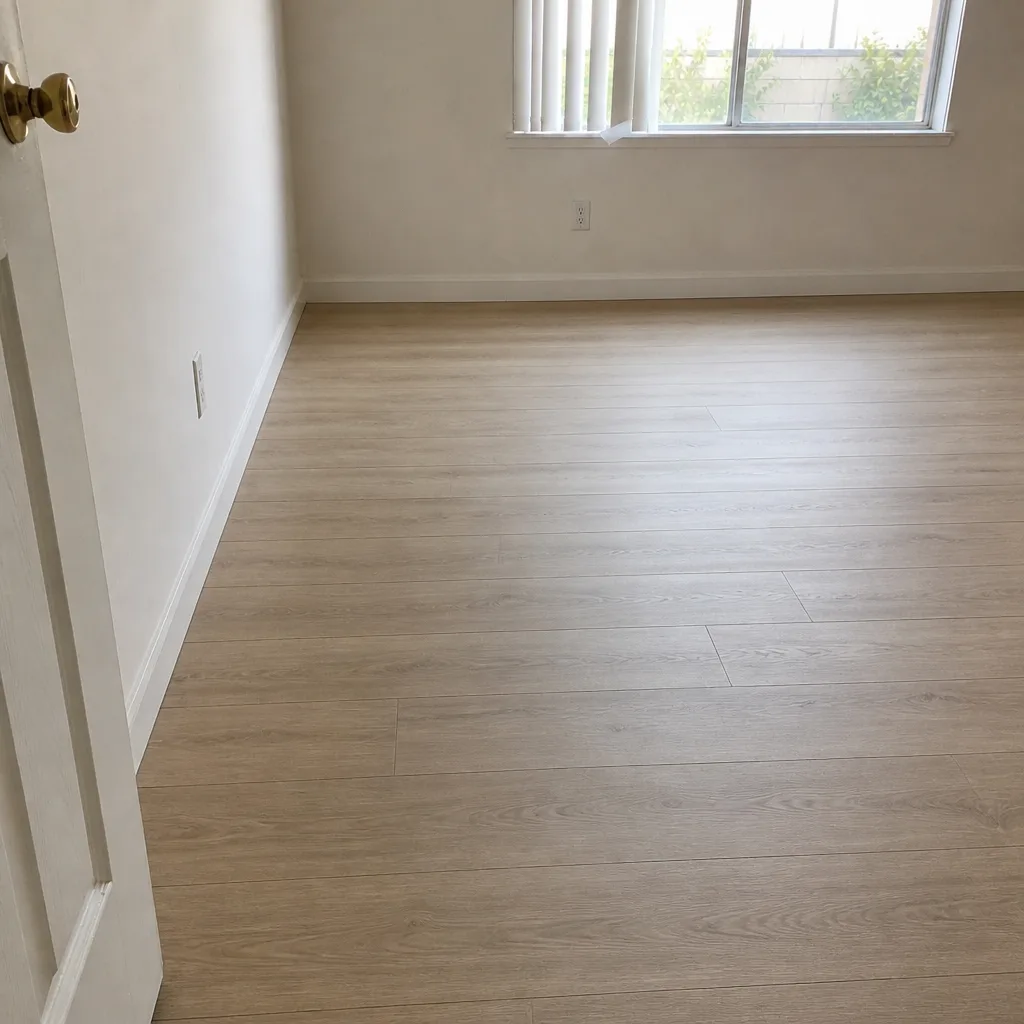
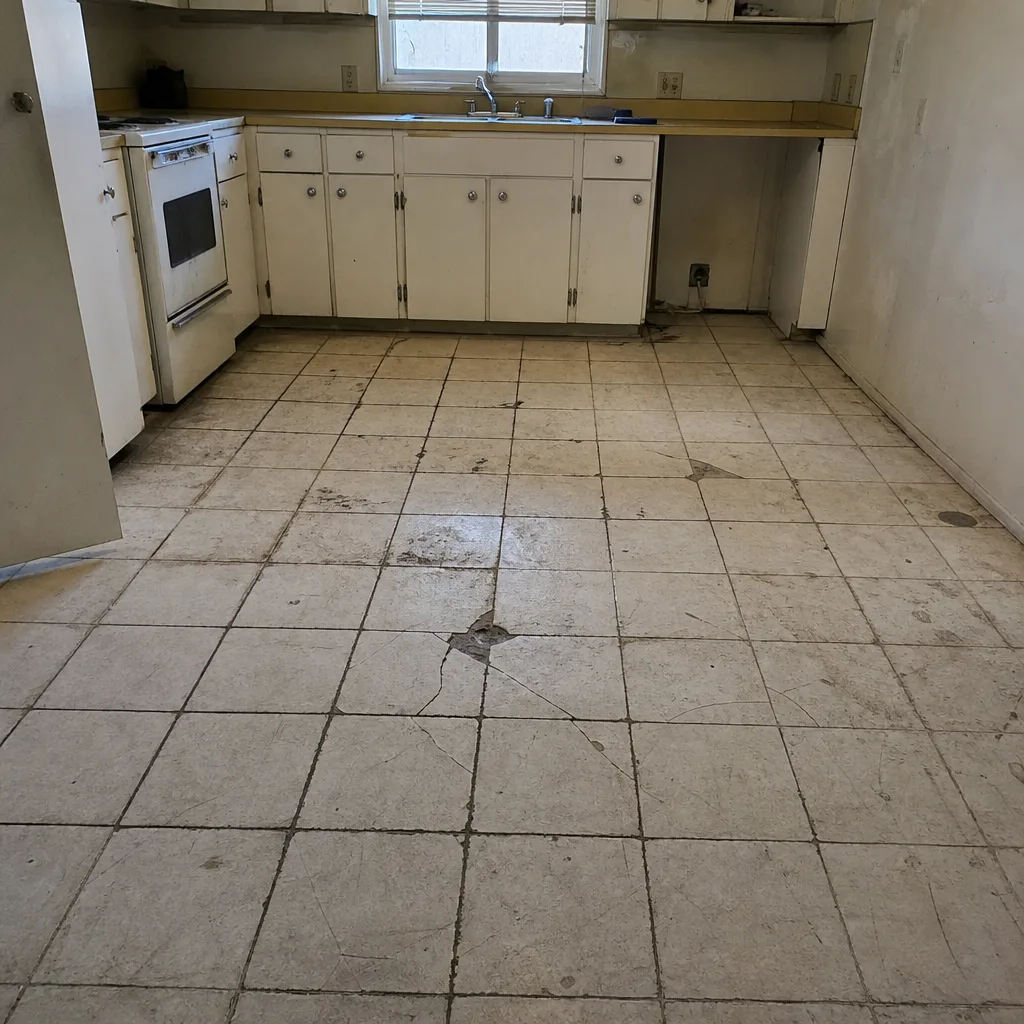
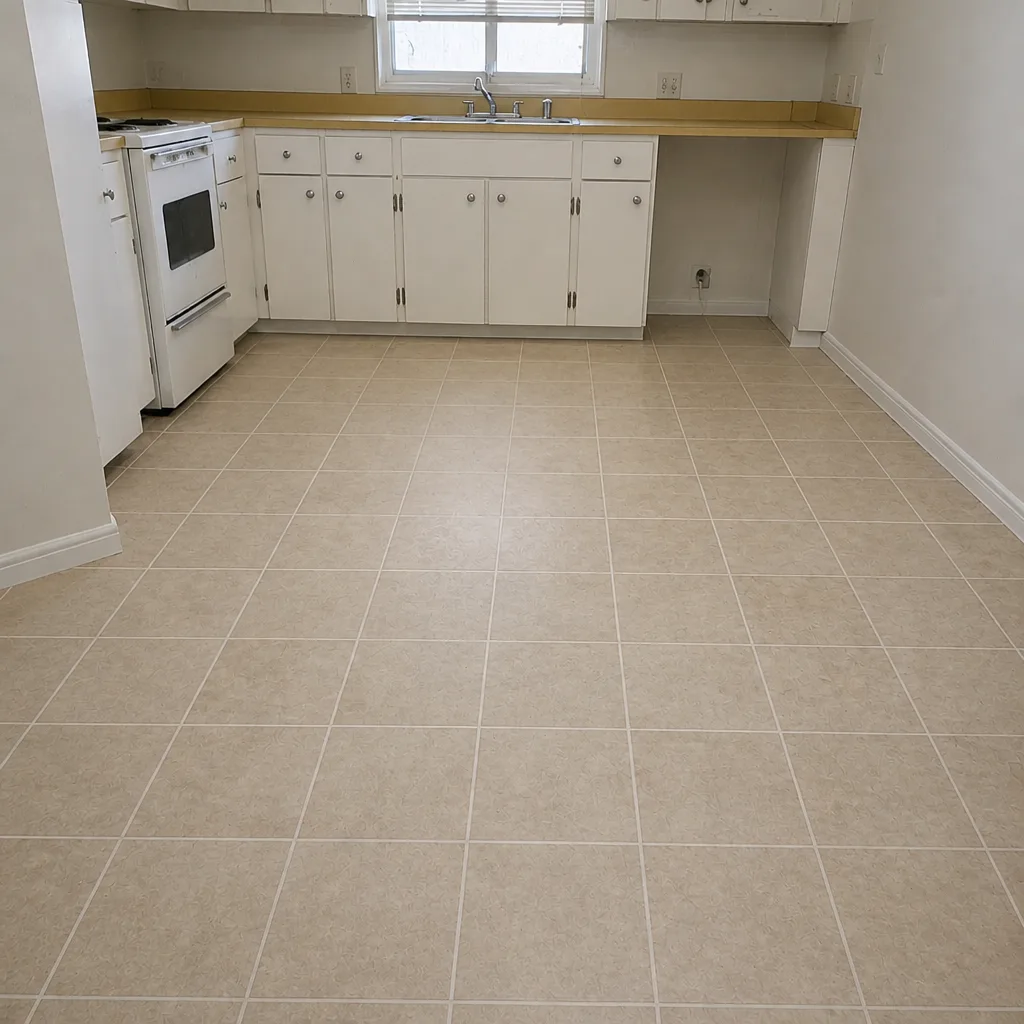
See the difference
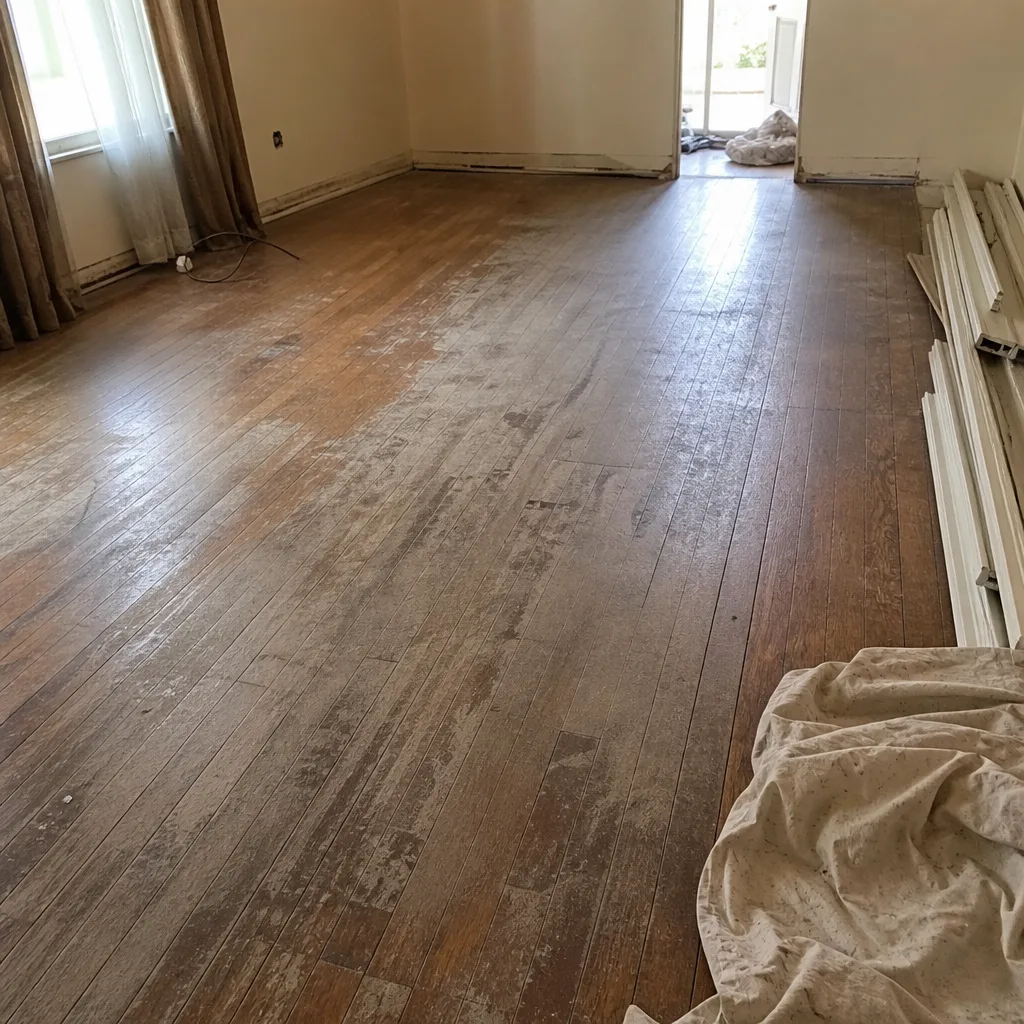 Before
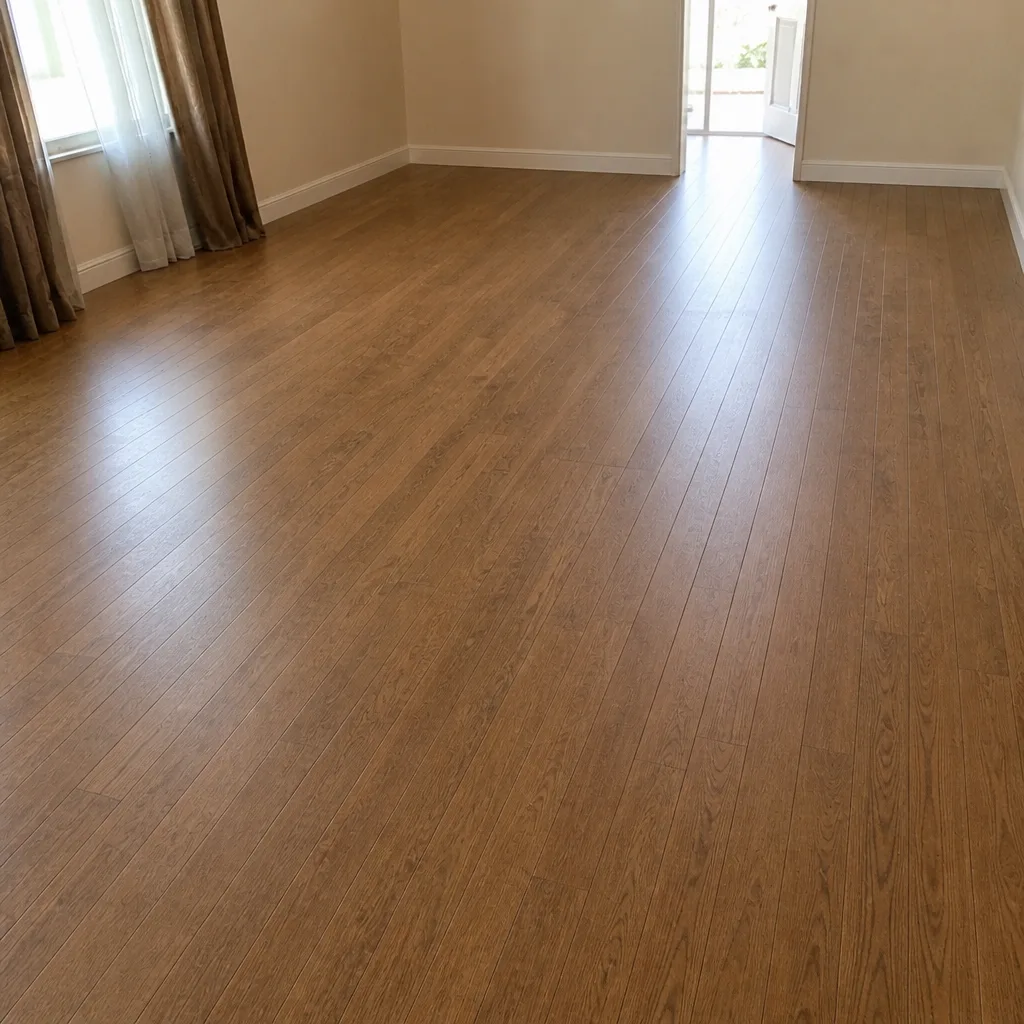 After
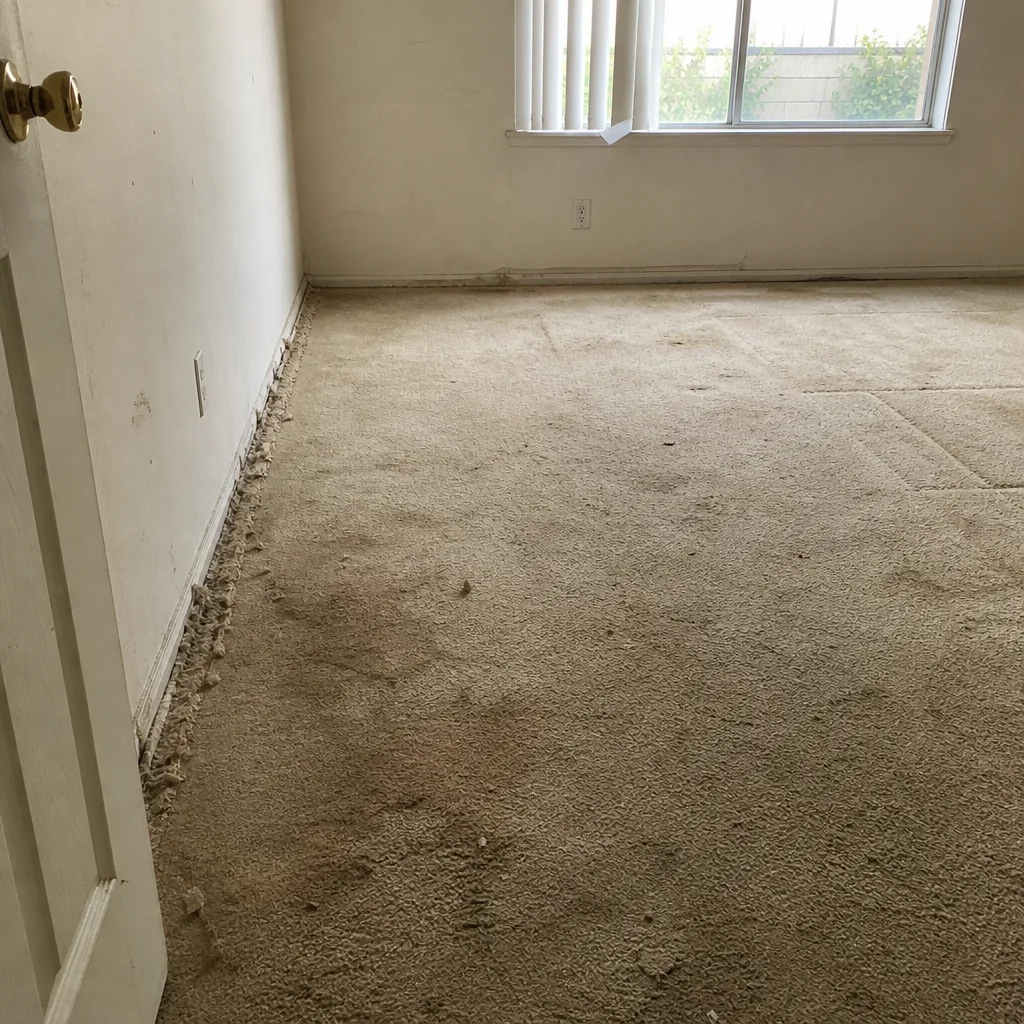 Before
 After
 Before
 After
When to Call a Professional
If you’re staring at a contract with language you don’t understand, or a clause that’s missing entirely, get a second set of eyes. Flooring installation touches subfloor condition, acclimation, warranty compliance, and finish work, and each of those pieces has a real cost if it’s handled wrong. If you’re planning a room refresh or a whole-home update in Las Vegas, a professional can walk you through what prep is likely, what product fits the room, and what the timeline actually looks like. Flooring Installation Las Vegas offers free in-home estimates in Las Vegas. Call (888) 294-5867. We answer 24/7. Fast dispatch from 7am to 7pm, Sunday through Friday. Our technicians have up to 13 years of experience, and we carry nine brands so the floor matches the room, not just the trend. Whether you’re weighing carpet, tile, or a hardwood refinish, we’ll put the estimate in writing and let you decide.
Frequently Asked Questions
Ask who pays for subfloor repair found after demo and whether there’s a not-to-exceed cap, whether the contract requires spec-compliant installation, how long materials acclimate in your home, what the payment schedule looks like, and what workmanship warranty backs the labor. Get every answer in writing before signing. Call (888) 294-5867 for a free estimate and we’ll go through each one with you.
No. A typical deposit is often around a third, with the rest tied to milestones like material delivery, mid-installation progress, and a final walkthrough. A contractor demanding most of the money before work begins is putting the risk on you. Ask for a written payment schedule tied to specific triggers. Call (888) 294-5867 to schedule your free estimate.
A product warranty comes from the manufacturer and covers the material; a workmanship warranty comes from the installer and covers the labor and installation. Both should be stated in the contract in writing. Ask for the term, what’s covered, what isn’t, and how to file a claim. Call (888) 294-5867 for an exact quote; estimates are free.
It depends on the product, and the manufacturer’s written guidance is what should govern. In Las Vegas, the gap between outdoor heat and indoor air conditioning can be wide, and 24 hours is often not enough for some materials. The contract should state that materials acclimate on-site for the manufacturer’s required time. Call (888) 294-5867 to talk through your project.
Yes. If installation doesn’t follow the manufacturer’s written specs, the manufacturer can decline a warranty claim later. The contract should explicitly require spec-compliant installation and name the exact product and brand. Ask your installer to put both in writing. Call (888) 294-5867 for a free estimate.
The schedule is set at the estimate, after a free in-home measure and a written price. Lead times for materials and the scope of the job both factor in, and the busy season in Las Vegas can stretch certain product lead times. The contract should include a start date and completion window, plus a written process if the schedule changes. Call (888) 294-5867 to schedule your estimate.
The Bottom Line
The contract you sign does more to protect you than the sample you fell for. Get the subfloor repair trigger, the spec-compliant installation language, the acclimation commitment, the milestone-based payment schedule, and the workmanship warranty all in writing before you sign. Those five clauses are what separate a project you control from one that controls you. If you want to compare brands, we work with nine lines, including Shaw and Daltile, and we can walk through what fits your rooms and your budget. Call (888) 294-5867 for a free estimate. We answer 24/7. Fast dispatch from 7am to 7pm, Sunday through Friday.
Written by the team at Flooring Installation Las Vegas.