
Last updated November 18, 2026
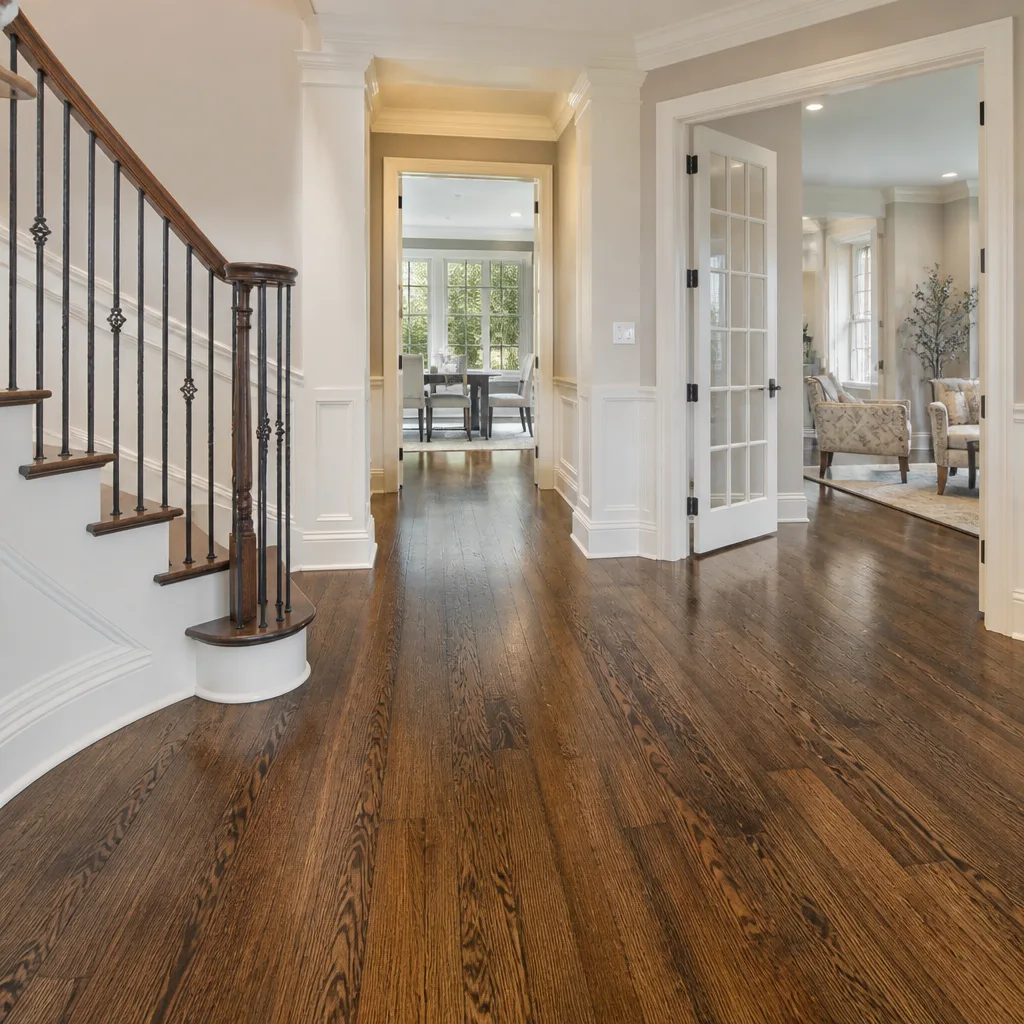 Hardwood
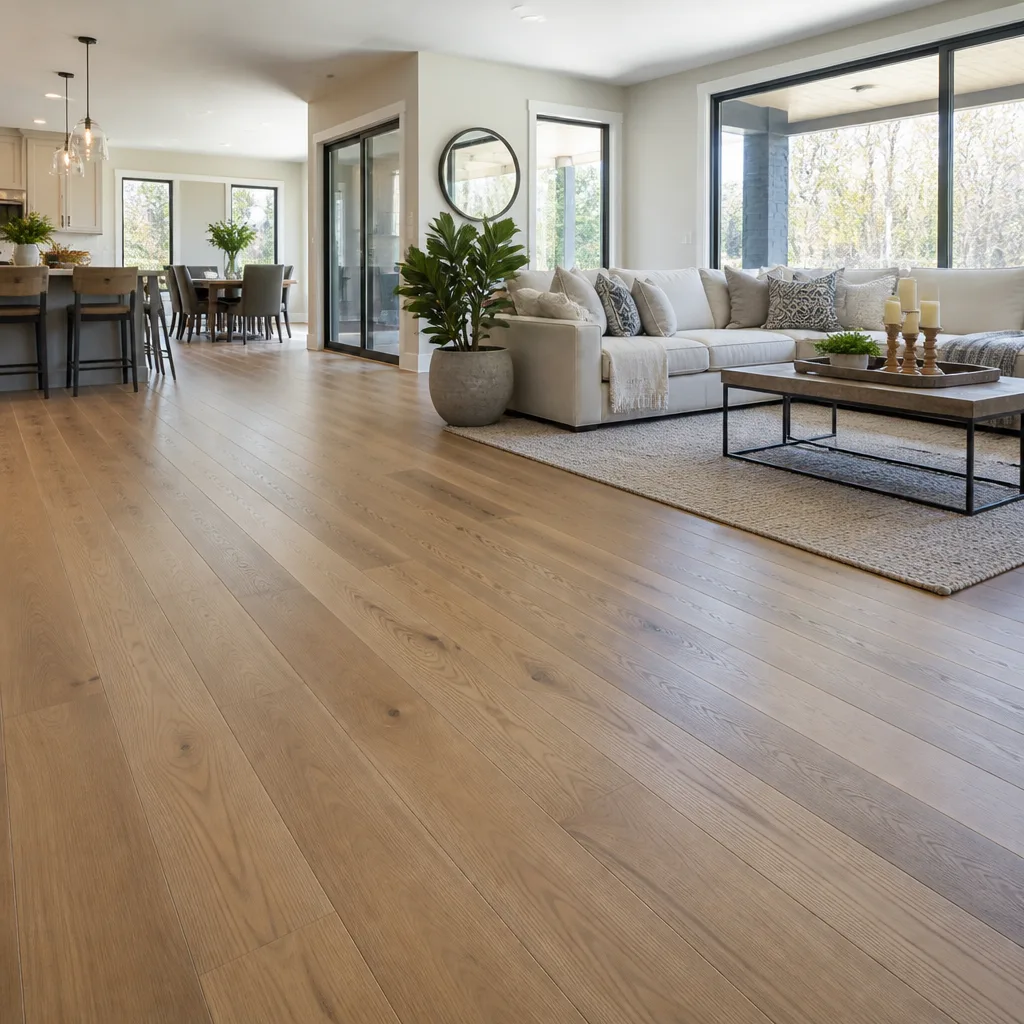 Engineered hardwood
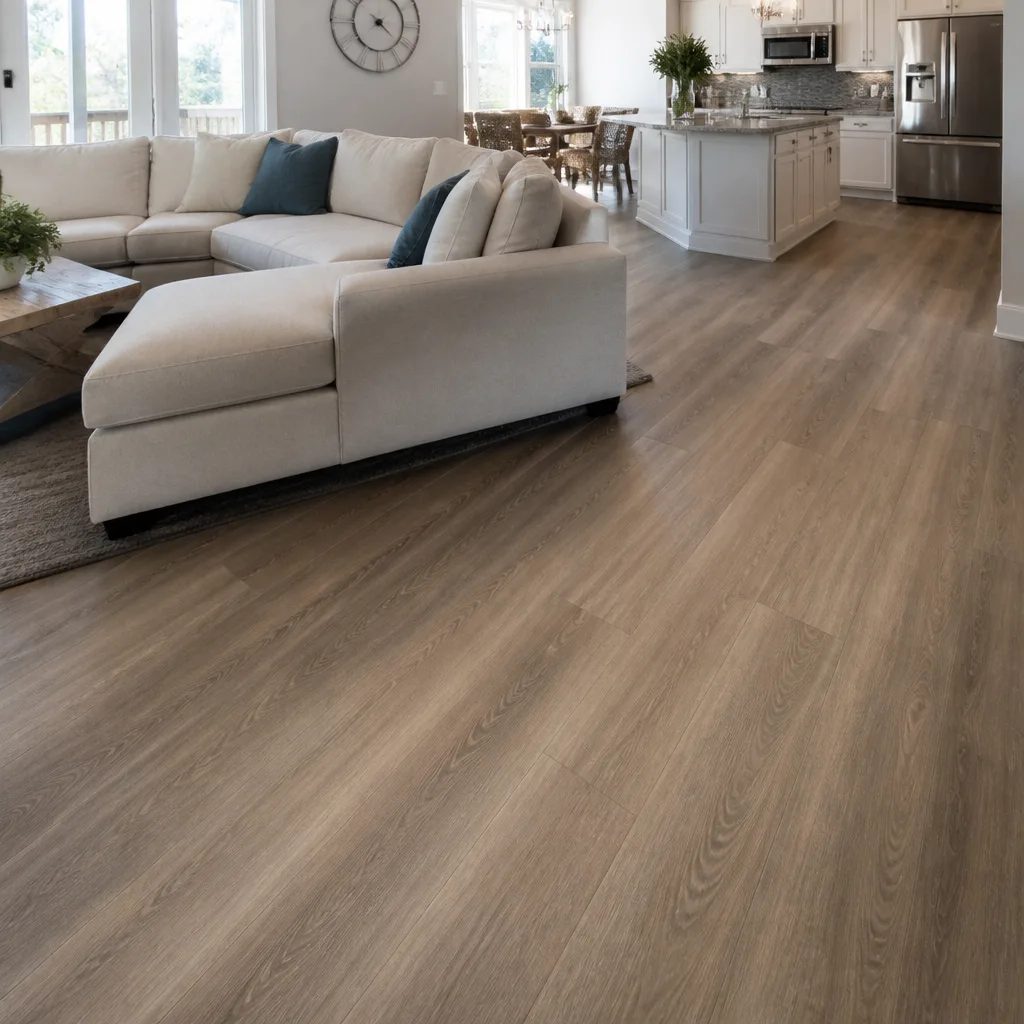 Luxury vinyl plank
 Laminate
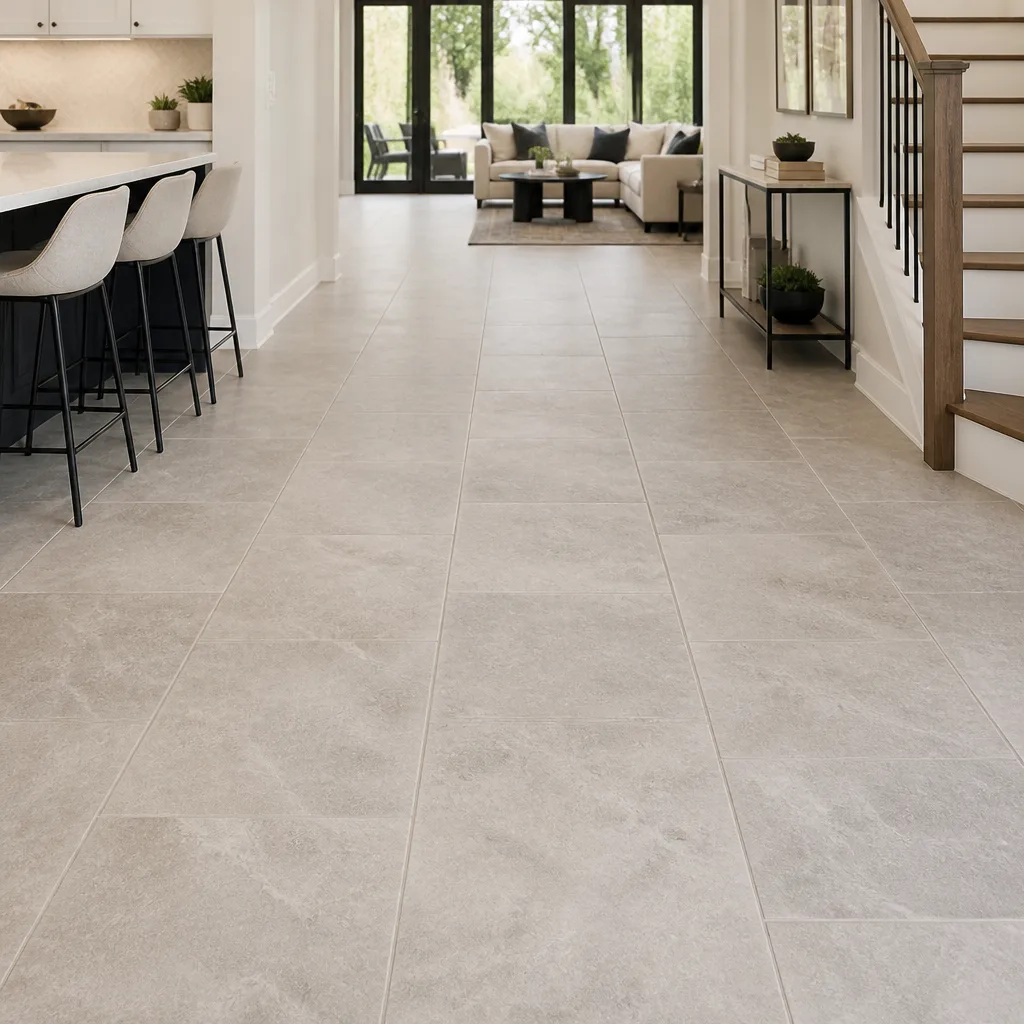 Porcelain tile
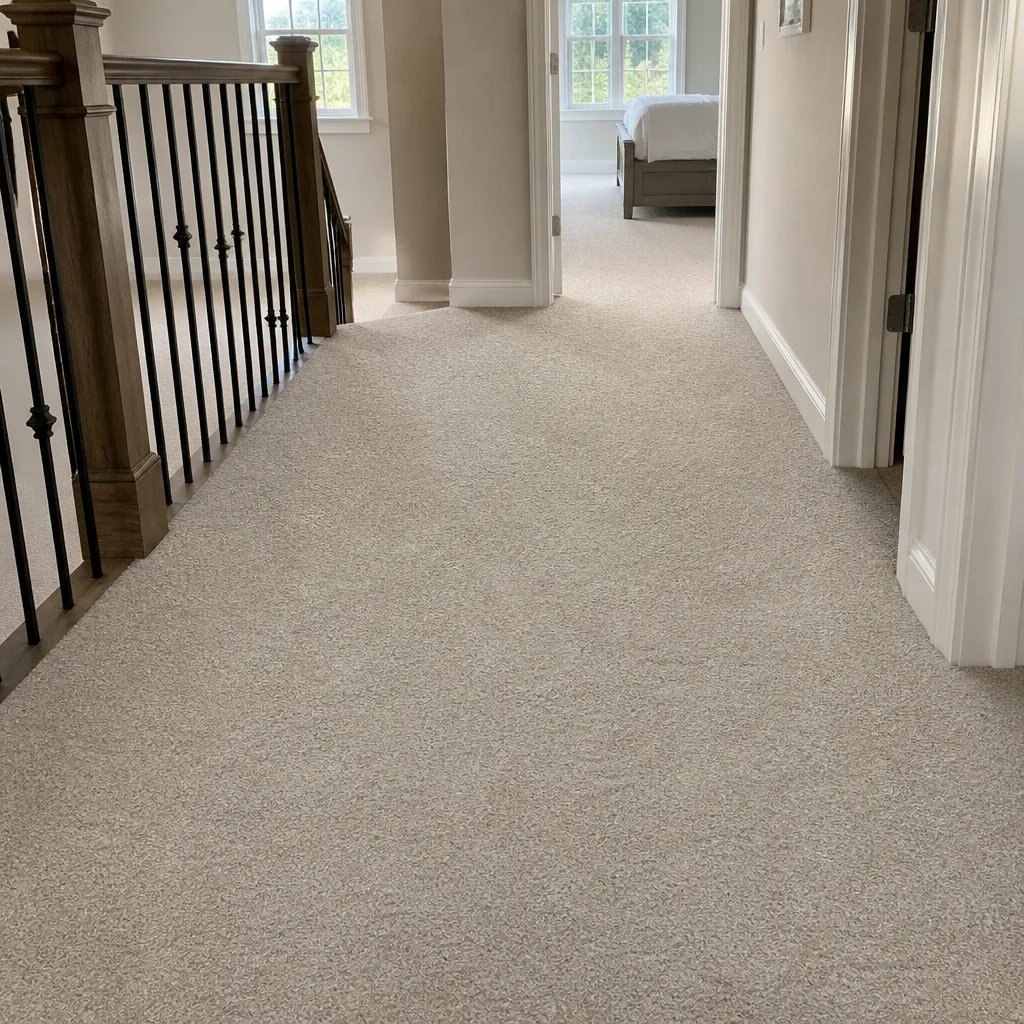 Carpet
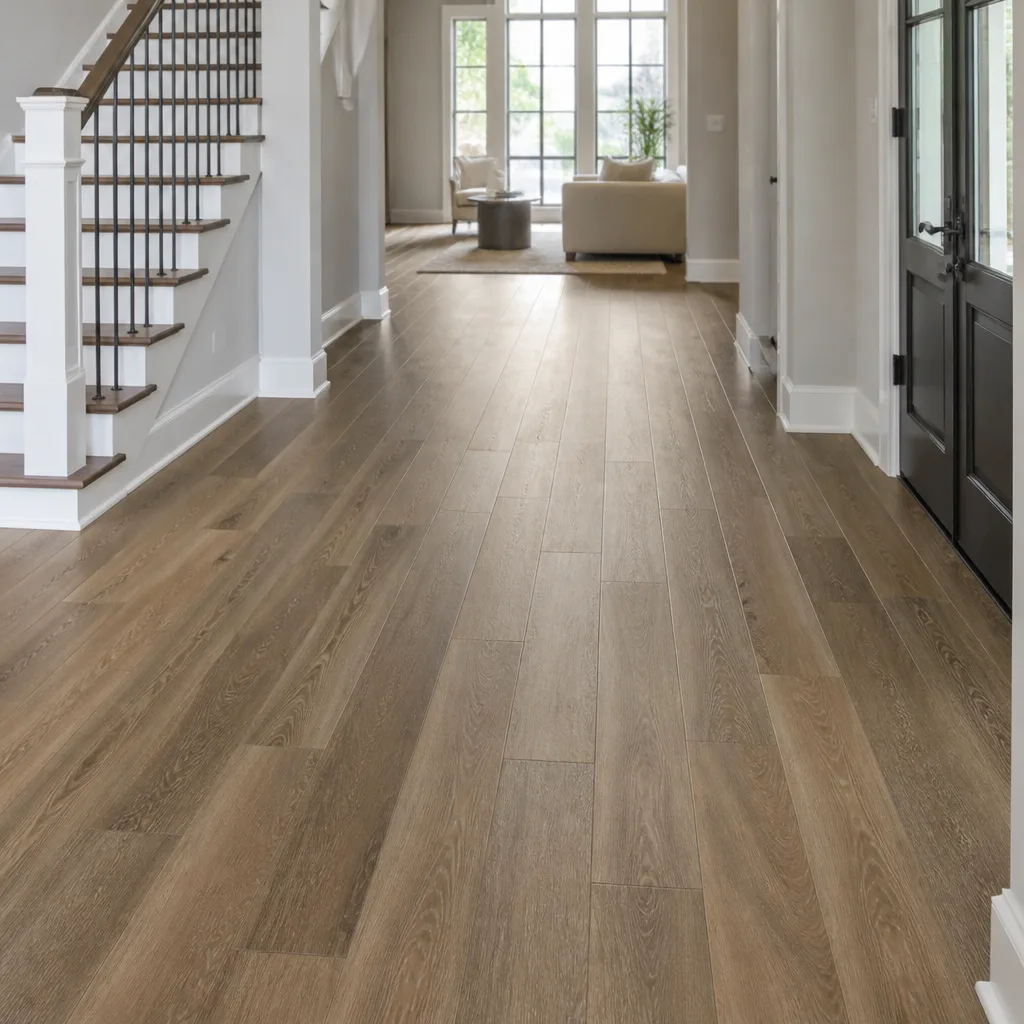 Shaw
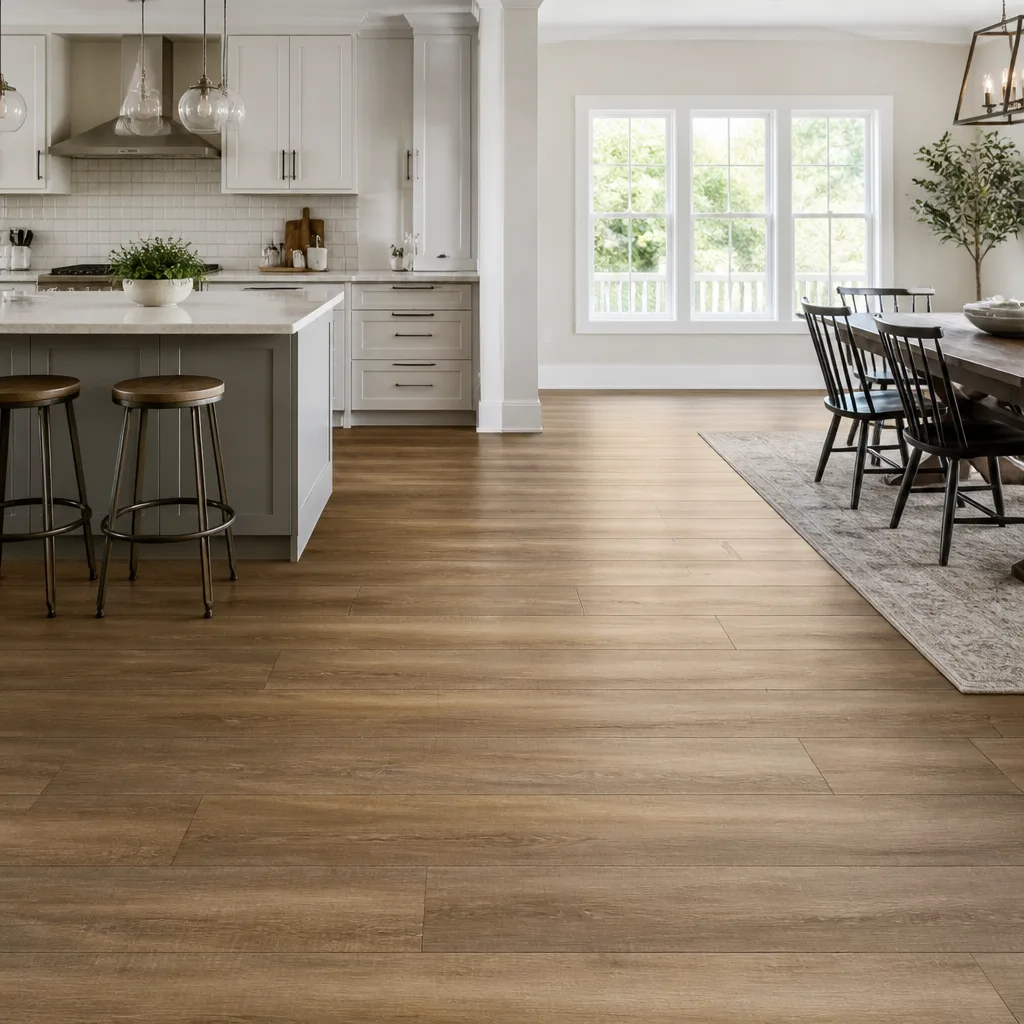 Mohawk
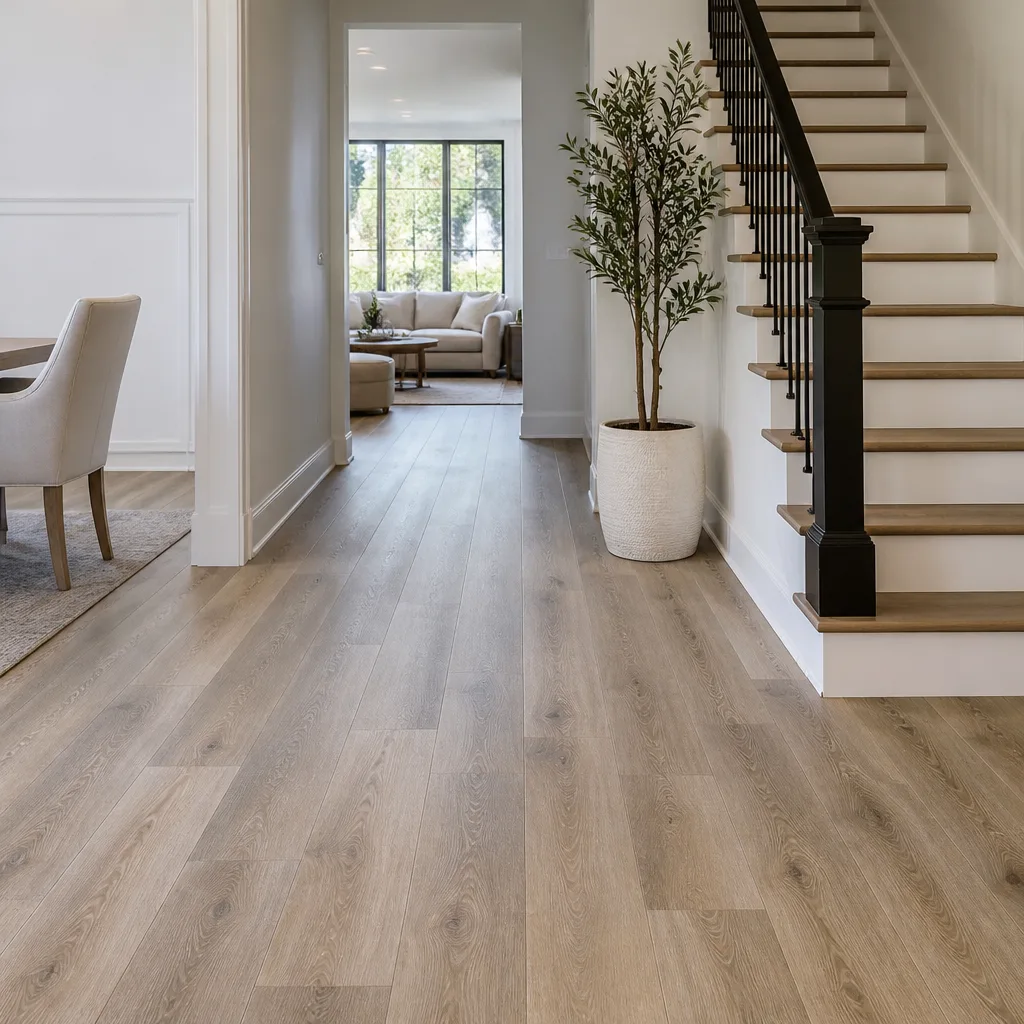 COREtec
 Pergo
Free in-home measure and written estimate: Shaw, Mohawk, COREtec and Pergo lines compared on your own rooms, with carpet, tile, vinyl plank, laminate and hardwood laid out side by side
Get your free estimateSubfloors Explained: What Sits Under Your New Floor
Here’s the part of a flooring project nobody photographs: the layer you never see again once the job is done. Homeowners spend weeks choosing between Shaw carpet and Mohawk carpet, comparing tile patterns, or debating hardwood refinishing versus a fresh install – and almost no time thinking about what all of it sits on. That’s backwards. In Las Vegas, the subfloor is usually a concrete slab, and that slab has opinions. It can push moisture vapor up through a floor with no visible leak anywhere, and it can be out of flat by enough to void the whole point of a premium product. This guide walks through what subfloors actually are, how Las Vegas slabs behave, and how to spot trouble before it costs you a second installation.
Quick Answer
A subfloor is the structural layer beneath your finished flooring – usually a concrete slab in Las Vegas homes, or plywood in older construction and second-story additions. It carries the floor, controls moisture movement, and sets the flatness your new material needs. Get it wrong and even a top-tier product from COREtec or Pergo can fail early. Get it right and the floor you choose has a real chance at a long life.
Styles & brands we work with
- Hardwood
- Engineered hardwood
- Luxury vinyl plank
- Laminate
- Porcelain tile
- Carpet
- Shaw
- Mohawk
- COREtec
- Pergo
Table of Contents
- What Is a Subfloor, Exactly?
- Why Las Vegas Concrete Slabs Behave Differently
- Moisture Problems vs. Moisture Vapor Emission
- Flatness Tolerances by Flooring Type
- Self-Leveling Compound: What It Is and When You Need It
- Plywood Subfloors: The Inspection Checklist
- Why Subfloor Repair Costs Appear Mid-Project
- How to Protect Yourself in the Contract
What Is a Subfloor, Exactly?
A subfloor is the load-bearing surface that your finished floor attaches to or floats over. It’s separate from the “underlayment,” which is the thinner layer sandwiched between the subfloor and the finished material to smooth things out, provide a vapor barrier, or add cushioning. People use the words interchangeably, but they do different jobs.
In most Las Vegas homes, the subfloor is a poured concrete slab sitting directly on grade. In two-story houses, the second floor is typically plywood or oriented strand board over joists. Older neighborhoods and additions sometimes mix the two – a slab on the ground floor, framed plywood above. Each type calls for a different inspection before any new floor goes down.
Three things the subfloor controls, and only three:
- Structural support. It has to hold the weight of the flooring, furniture, and foot traffic without flexing in ways that crack tile or pop adhesive.
- Moisture movement. Concrete slabs wick moisture vapor from the soil below. Wood subfloors absorb and release moisture with the seasons.
- Flatness. Every flooring product has a tolerance for how much dip and hump it will accept. More on this below.
Notice what’s not on the list: appearance. The subfloor is the only part of a flooring project that disappears completely when work is finished. That’s exactly why it gets neglected, and exactly why it decides whether the visible layer performs.
Why Las Vegas Concrete Slabs Behave Differently
Concrete slabs in the Las Vegas valley have a characteristic the general flooring guides written for East Coast basements completely ignore: they stay warm, they cure slowly, and they often carry a high pH from the alkaline soil and the original concrete mix. That alkalinity is what eats adhesive bonds from underneath, and it’s a real factor in a desert climate where humidity swings are extreme – bone dry most of the year, then a monsoon season that pushes water into places it never sits on the coast.
The desert also does something subtler. Slabs dry out from the top down, and the top surface often becomes harder and denser than the concrete below it. That dense cap resists adhesive penetration. It also means self-leveling compound can struggle to bond if the surface hasn’t been properly prepared. This is the kind of detail nobody thinks about until a floor is loose a year after install.
Las Vegas slab realities worth knowing:
- Most valley homes sit on post-tension or conventionally reinforced slabs with a vapor barrier underneath. Older neighborhoods may predate modern vapor retarder standards, so the moisture picture varies block to block.
- Slabs poured during summer heat cure fast and can develop surface checking or hairline cracking that isn’t structural but does need attention before flooring.
- Two-story additions and older homes frequently use plywood over joists instead. That changes the inspection checklist entirely.
- Sun exposure through large windows and hot exterior walls can raise the slab’s surface temperature considerably, which affects adhesive cure times and acclimation of any wood product.
None of this makes a Las Vegas slab a bad subfloor. It makes it a subfloor that needs to be read correctly before anyone lays tile, carpet, or hardwood over it.
Moisture Problems vs. Moisture Vapor Emission
Here’s the distinction that trips up more flooring installs than any other: a slab can be bone dry to the touch and still be pushing moisture up through the floor as invisible vapor. That’s moisture vapor emission, or MVE. It’s not a leak. It’s not a plumbing problem. It’s water vapor migrating through the concrete from the soil underneath, and it moves every hour of every day in a Las Vegas home whether it’s raining or 110 degrees outside.
MVE is what causes:
- Adhesive bonds to break down under sheet vinyl or glue-down products.
- Luxury vinyl plank from COREtec or LifeProof to bubble, lift, or curl at the seams.
- Hardwood to cup – edges rising above the center of the board – months after a “perfect” install.
- Powdery white deposits pushing up through tile grout lines in extreme cases.
And here’s the uncomfortable part: the plastic sheet test that many installers still use is unreliable for measuring MVE. The plastic can trap condensation and tell you something happened, but it doesn’t measure the rate. The correct test is the in-situ relative humidity probe method (ASTM F2170), which puts sensors into drilled holes in the slab and reads the equilibrium humidity of the concrete itself over a period of hours.
For a Las Vegas slab, that means somebody has to be on site, drill the holes, and read the numbers. No phone survey, photo, or square footage estimate gets you an accurate moisture picture. If a flooring quote arrives without a moisture check on the slab, that’s a quote with a hole in it.
Flatness Tolerances by Flooring Type
Not all floor products need the same flatness from the subfloor underneath. A luxury vinyl plank bends a little as it floats. Tile does not. Hardwood moves with the seasons and needs a flatter, more stable base than it’s often given. Every manufacturer sets its own tolerance, and the product instructions – not a general rule from a website – are what you and your installer actually have to meet.
What matters isn’t an exact number. What matters is knowing that tolerance exists, that every flooring category has a different one, and that a slab out of flat by more than the tolerance will show the problem in the finished floor.
Common ways out-of-flat slabs show up in a Las Vegas home:
- Rocking planks. Floating luxury vinyl that rocks underfoot in isolated spots is telling you the slab has a dip or hump beneath it.
- Hollow sounds in tile. Tile set over an out-of-flat base doesn’t bond fully, and the tap test reveals it.
- Visible humps or valleys under carpet. Carpet hides flatness issues better than any product, but a big difference shows through as a lump or a dip in the room.
- Doors that rub or gaps under baseboards. A flat floor does not corner-cut around transitions. If a door rubs after install, the subfloor or underlayment geometry was off.
Twenty years of slab movement, soil compaction, and thermal cycling leaves most Las Vegas slabs somewhat out of flat. It’s normal. What’s not normal is laying a premium product over it and hoping.
Self-Leveling Compound: What It Is and When You Need It
Self-leveling compound is a pourable cementitious material that flows into low spots and hardens to create a flatter surface on top of an existing subfloor. It’s not magic, and it’s not always needed. When it is needed, it’s the difference between a floor that lasts and one that fails at the seams.
When you actually need it:
- Flatness is outside the product tolerance. The most common reason. The flooring instructions state a tolerance, and the slab doesn’t meet it.
- Low spots in a tile install. Thinset beds only bridge so much. A dip under a tile field will telegraph to the surface.
- Filling cracks, spalls, or surface damage. Concrete that’s been patched in the past often needs a smoothing pour to bring it back to a workable plane.
- Covering an old adhesive residue. Some compounds can encapsulate properly prepared residue when the old surface is too compromised to receive a new floor cleanly.
What self-leveling compound can’t fix: structural movement, an unsealed moisture problem, a slab that’s still actively pushing vapor. Pouring leveler over a wet slab traps the moisture under a new surface and makes the eventual failure worse. That’s one reason the sequence matters – moisture check first, flatness check second, leveling only when both are under control.
Pricing for self-leveling work varies by square footage, the depth of the pour, and the surface prep required. Nobody can quote it accurately over the phone without seeing the floor. Any price you get by eyeballing a photo is a placeholder. If you want a real written estimate for your Las Vegas subfloor, flooring installation in Las Vegas starts with someone physically checking your slab.
Plywood Subfloors: The Inspection Checklist
Not every Las Vegas home has a slab. Two-story houses, older neighborhoods, and additions over garages frequently use plywood or OSB over joists. Plywood is a very different substrate, and it demands a very different inspection before new flooring goes down.
What a proper plywood-subfloor walkthrough covers:
- Thickness and grade. Plywood subfloor thickness has a minimum required for the product going on top. Too thin and the floor flexes underfoot – deadly for tile and hard on hardwood.
- Fastener integrity. Every loose screw or nail is a future squeak and a future movement point. Fasteners get backed out, replaced, or checked during the inspection.
- Joist spacing and direction. The joist layout matters when additional underlayment has to be added to reach a thickness a tile or hardwood product requires.
- Water staining or swelling. Even in a desert, a plywood subfloor can carry signs of old leaks, previous plumbing failures, or condensate issues. Swollen plywood near a plumbing wall is a red flag that needs replacing, not patching.
- Flatness across the field. Plywood framed decks can have humps at joist crowns and dips between. Same rule as a slab – measure against the product tolerance.
- Existing underlayment. If there’s a layer of old vinyl, plywood, or particleboard under the current floor, it gets pulled up and inspected before anyone lays anything new down.
Plywood subfloor issues also tend to run drier in Las Vegas than in humid climates. Wood products here acclimatize to a very low moisture baseline. If a product arrives and gets installed without time to settle into that environment, it can move after install – which shows up as gapping between hardwood boards or lifted plank seams. Acclimation times depend on the product and the home, so follow the product instructions and what the estimate visit confirms.
Why Subfloor Repair Costs Appear Mid-Project
Every homeowner’s least favorite moment in a flooring project: the installer pulls up the existing floor, looks at what’s underneath, and delivers news that wasn’t in the original quote. The instinct is to call it a bait-and-switch. Sometimes it’s legitimate. And knowing which is which takes some understanding of how the estimate process actually works.
Subfloor issues are hidden by definition. Nobody can price a repair they can’t see. A good estimate covers what’s visible at the walkthrough – the condition of the floor itself, the product being installed, and any known subfloor concerns. What’s under the old floor can’t be priced with certainty until the old floor is up.
What usually gets discovered during demo and generates a repair cost:
- Hidden moisture damage from an old leak under vinyl or laminate.
- Out-of-flat conditions that weren’t visible under the existing floor because the existing floor was also lumpy.
- Cracked or spalled concrete that has to be prepped before any product is installed.
- An old layer of adhesive residue that has to be ground off before the slab will accept a new bond.
- A plywood subfloor layer too thin to support the product you chose, requiring an added underlayment layer.
None of those are things a competent installer chooses to spring on a customer. They’re the truth a floor hides. The difference between an honest mid-project cost and a bait-and-switch comes down to documentation: written condition notes, photos of the problem, a written change order before the work proceeds, and a price to fix it that makes sense for the scope.
How to Protect Yourself in the Contract
Most of the protection happens before the old floor comes up. A good contract states clearly that subfloor repair is a possibility, explains how it’s priced when it’s needed, and defines the process for approving additional work mid-project.
Contract language to look for before you sign:
- A written estimate that names the product being installed. Shaw carpet, Daltile tile, COREtec plank – the exact product determines the subfloor tolerance and the underlayment requirements. A generic “vinyl plank” line can’t be priced against a specific spec.
- A moisture check provision on slab installs. If the slab hasn’t been tested, the contract should say who tests, how, and what happens if the numbers come back high.
- A listed change-order process. Any mid-project repair should be documented in writing, priced before work proceeds, and signed off by you.
- Clarity on what’s included versus what’s additional. Prep work like scraping old adhesive, leveling, or adding an underlayment layer should be either in the original quote or explicitly called out as a potential addition.
- A schedule and finish-date expectation. Subfloor repairs add time. Get a realistic window from the install team before the project starts, not after a repair is discovered.
- No vague “final price subject to site conditions.” A quote that can balloon to anything isn’t a price. It should say up front what conditions trigger a change and how much a change of that type typically adds.
If a flooring company won’t put those terms in writing, that’s a real signal. Nine brands under one installation team – Shaw, Mohawk, COREtec, Pergo, LifeProof, Mannington, Armstrong, Daltile, and Karndean – is worth nothing if the contract doesn’t protect the floor underneath them.
Common Mistakes to Avoid
- Skipping the moisture check on a slab. “It looks dry” is not a test. A plastic sheet test doesn’t measure MVE. The ASTM F2170 probe method does. In Las Vegas, a slab can be bone dry to the touch and still push enough vapor to fail an adhesive bond.
- Assuming a level slab is a flat slab. Level means perpendicular to gravity. Flat means lacking dips and humps. Your flooring product cares about flat. A Las Vegas slab can be perfectly level and still be out of tolerance.
- Pricing self-leveling from a photo. Pour depth, square footage, and surface prep all drive cost. Any quote that doesn’t come from someone physically on the floor is a guess dressed up as a number.
- Installing tile over a plywood subfloor without checking thickness and deflection. Plywood that flexes will crack tile, no exceptions. Tile needs a real deflection spec, and the walkthrough has to verify it.
- Assuming carpet hides every subfloor problem. Carpet forgiving, but not invisible. A significant hump or dip under carpet telegraphs to the surface, and a bad subfloor still voids the point of a good pad.
- Installing a hardwood product without allowing for desert dryness. Las Vegas air is dry most of the year, and wood acclimatizes to it. Skipping the settling time shows up later as gapping or cupping.
- Accepting “we’ll deal with the subfloor if we find something” as a contract term. “Something” is where the money disappears. Name the conditions, name the process, name the change-order rule, and get it in writing.
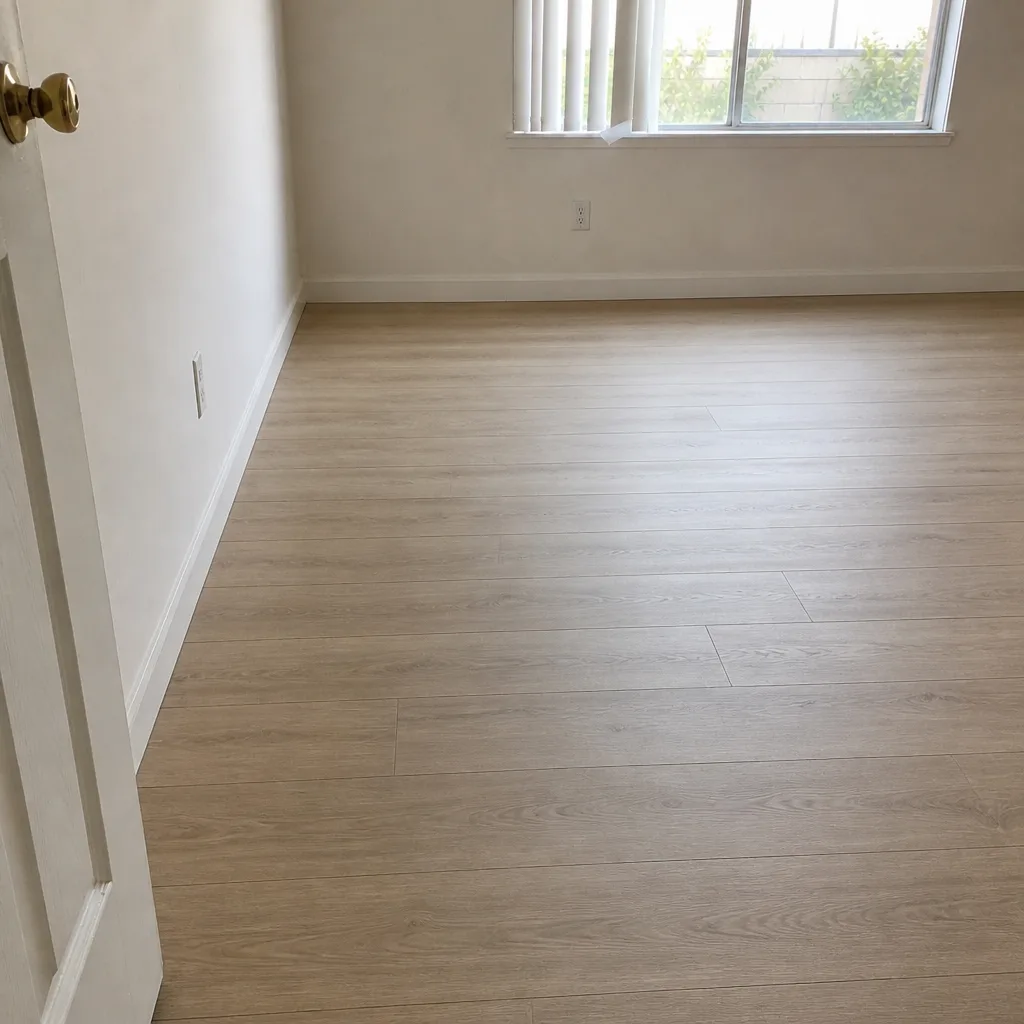
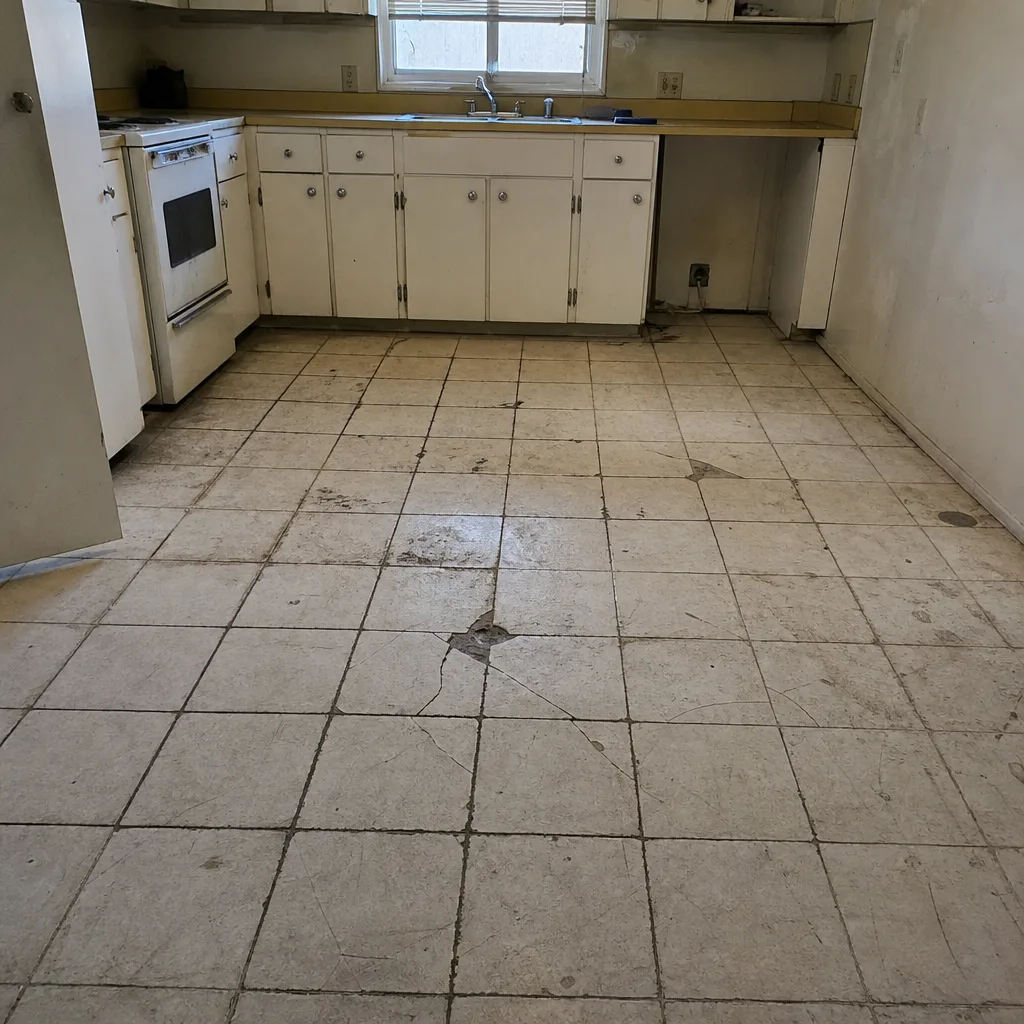
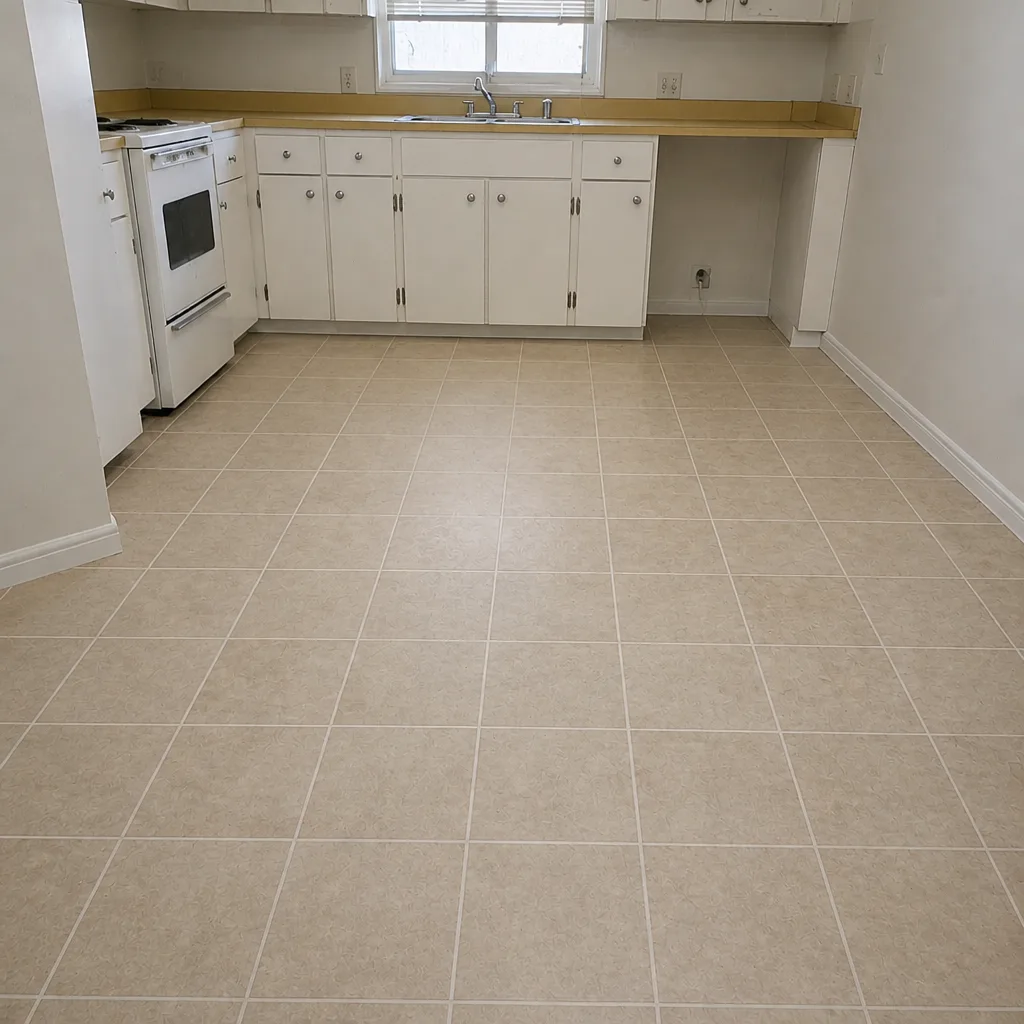
See the difference
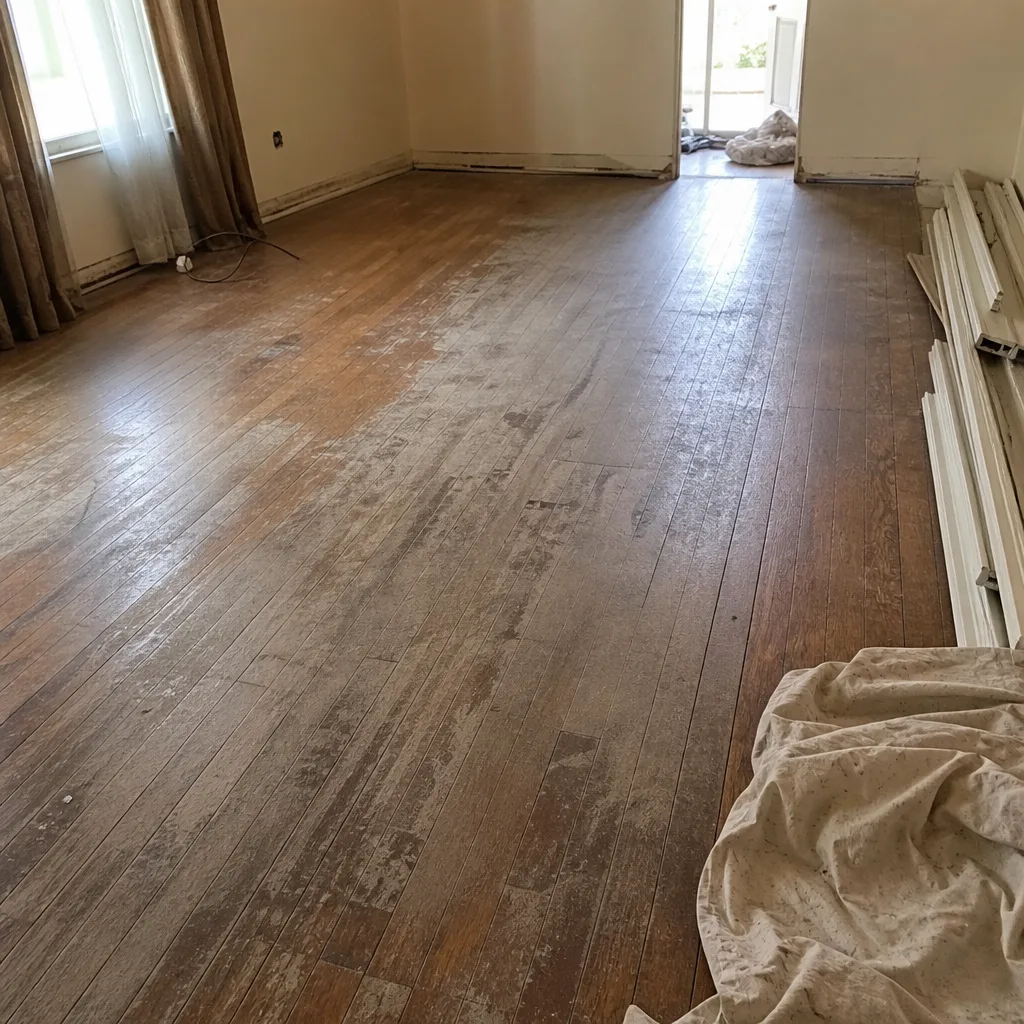 Before
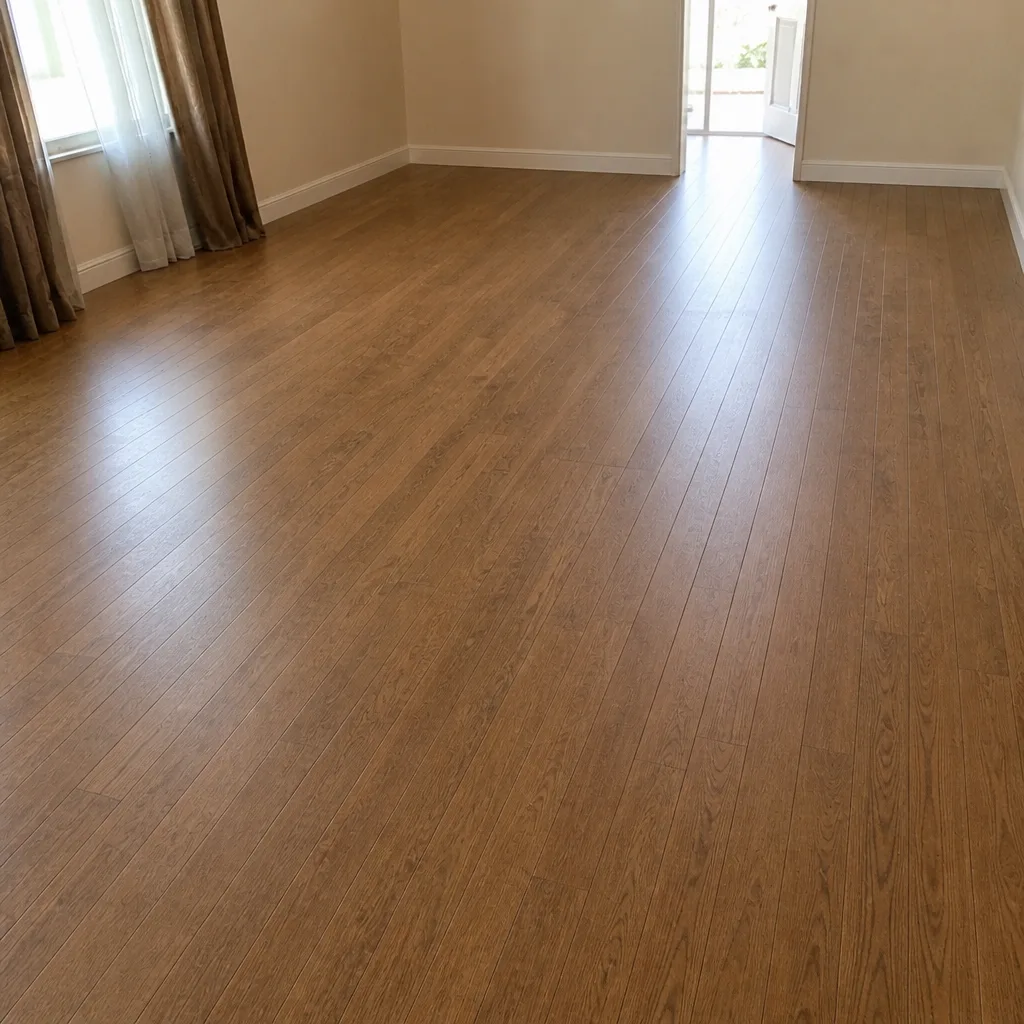 After
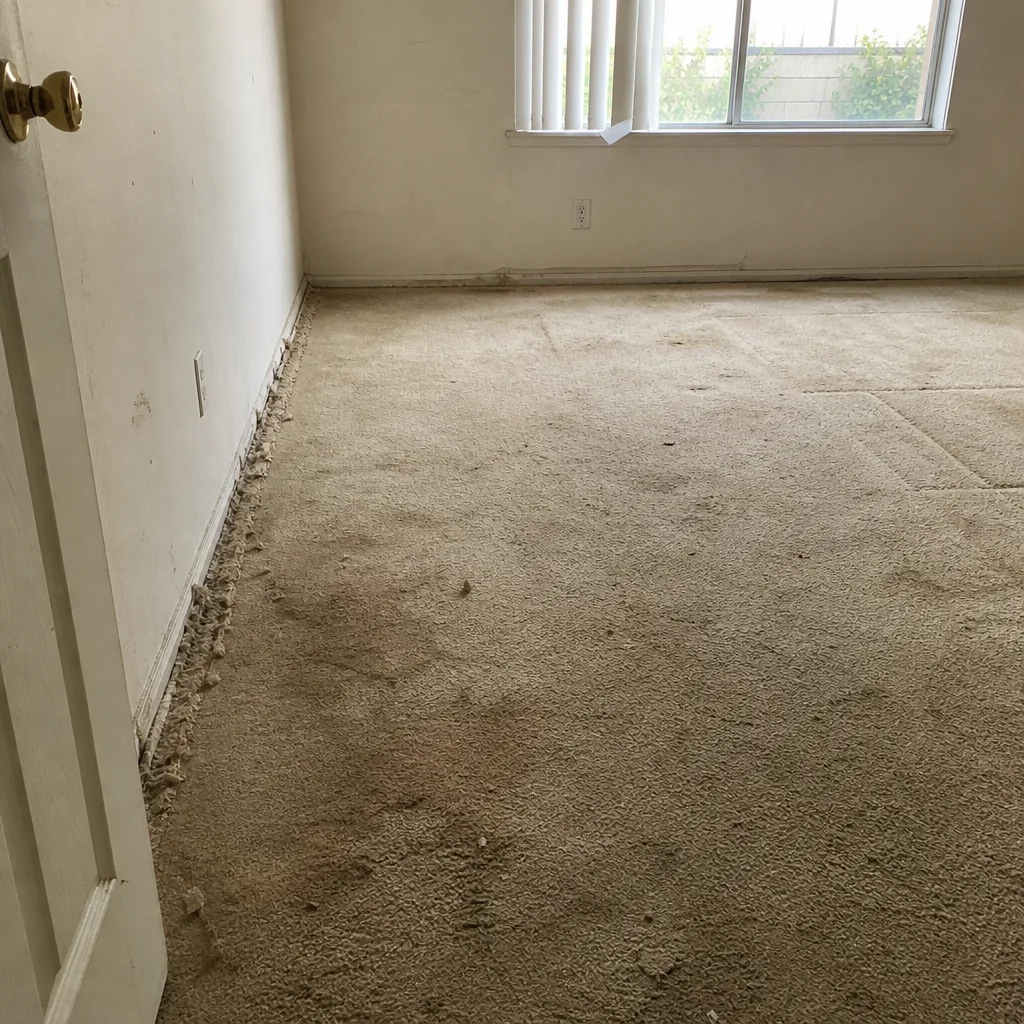 Before
 After
 Before
 After
When to Call a Professional
If your subfloor situation involves any of the following, get someone on site before you buy a single box of flooring: a slab in a Las Vegas home that hasn’t been moisture-tested, a plywood deck over joists with any visible movement or old water staining, a floor that already failed once, tile going over an unverified substrate, hardwood going over a concrete slab with an unknown moisture history, or a leveling question you can’t get answered without someone checking the floor. These aren’t edge cases – they’re the standard concerns in a desert climate where slabs behave in specific ways and product tolerances are unforgiving. Las Vegas homeowners with a subfloor question do best when they get a physical walkthrough before committing to a product.
Flooring Installation Las Vegas offers free estimates in Las Vegas – call (888) 294-5867. We’re specialists across carpet, tile, and hardwood refinishing, so the walkthrough covers the whole project – the subfloor, the product, and the schedule. Written estimates set the price, not a phone guess. For a specific product category, we also handle carpet installation and tile flooring installation with the same attention to what’s underneath.
Frequently Asked Questions
A subfloor is the structural layer under your finished flooring – a concrete slab in most Las Vegas homes, or plywood over joists in older construction and second stories. It matters because it decides the flatness, the moisture behavior, and the structural stability of everything above it. Get it right and your floor has a chance at a long life. Get it wrong and even a premium product from COREtec or Shaw can fail early. Call (888) 294-5867 to schedule a free estimate and have someone physically check your subfloor.
Pricing depends entirely on what the floor actually reveals: the type and depth of leveling, the amount of prep work, and whether flatness or moisture corrections are involved. Nobody can quote it accurately over the phone or from photos. What we can do is walk the floor, measure it against the product tolerance, test the slab if it’s concrete, and put a real written number in front of you. Estimates are free – call (888) 294-5867 for an exact quote.
For most flooring installations over a concrete slab, yes – the ASTM F2170 in-situ probe method is the standard way to measure moisture vapor emission from concrete. The old plastic-sheet test isn’t reliable at measuring the rate of vapor movement, and it’s the rate that determines whether a bond holds. A dry-looking slab can still carry enough vapor to cause failure. Ask for the test in writing before install proceeds; call (888) 294-5867 if you want one scheduled with our estimate.
A level floor is perpendicular to gravity. A flat floor has no dips or humps across its surface. Your flooring product cares about flat – every category has a tolerance for how much unevenness it will accept, and exceeding that tolerance will show up in the finished floor, whether that’s rocking COREtec planks, hollow-sounding tile, or gapping hardwood. Level doesn’t matter unless it’s also flat. Call (888) 294-5867 to have yours measured against the product you’ve selected.
You’ll need it if your subfloor falls outside the tolerance of the product going on top, or if there are low spots, cracks, or surface damage that need a smoother plane. Not every install needs it, and pouring it over a slab with an uncontrolled moisture problem makes things worse, not better. The only accurate way to answer this question is a physical check of your floor. Free estimates are available – call (888) 294-5867.
In many cases, yes – hardwood refinishing is a dedicated service we offer, and it’s often the smarter path for a floor that has good wood under a tired finish. Whether any given floor can actually be refinished depends on the thickness of the wood and its condition, which is checked at the estimate visit. A stain sample is a target, not a promise, because wood absorbs finish differently across a floor. Call (888) 294-5867 for a free refinishing estimate.
The Bottom Line
The subfloor is the part of the project everybody forgets, and it’s the part that decides whether the floor you spent weeks choosing lasts two decades or fails in three. In Las Vegas, that means treating a concrete slab as a material with real behavior – it carries moisture vapor even when it looks dry, it moves, it flattens unevenly over decades, and it punishes products installed over an unverified surface. The good news: none of this is guesswork. Moisture gets tested. Flatness gets measured against the product tolerance. Signs of trouble get documented in writing before they become a surprise on the invoice. Nine trusted brands, one installation team – and a walkthrough that starts with what’s underneath all of them.
Call (888) 294-5867 for a free estimate. We answer 24/7. Fast dispatch, 7am-7pm, Sunday through Friday.
Written by the team at Flooring Installation Las Vegas.