
Last updated November 18, 2026
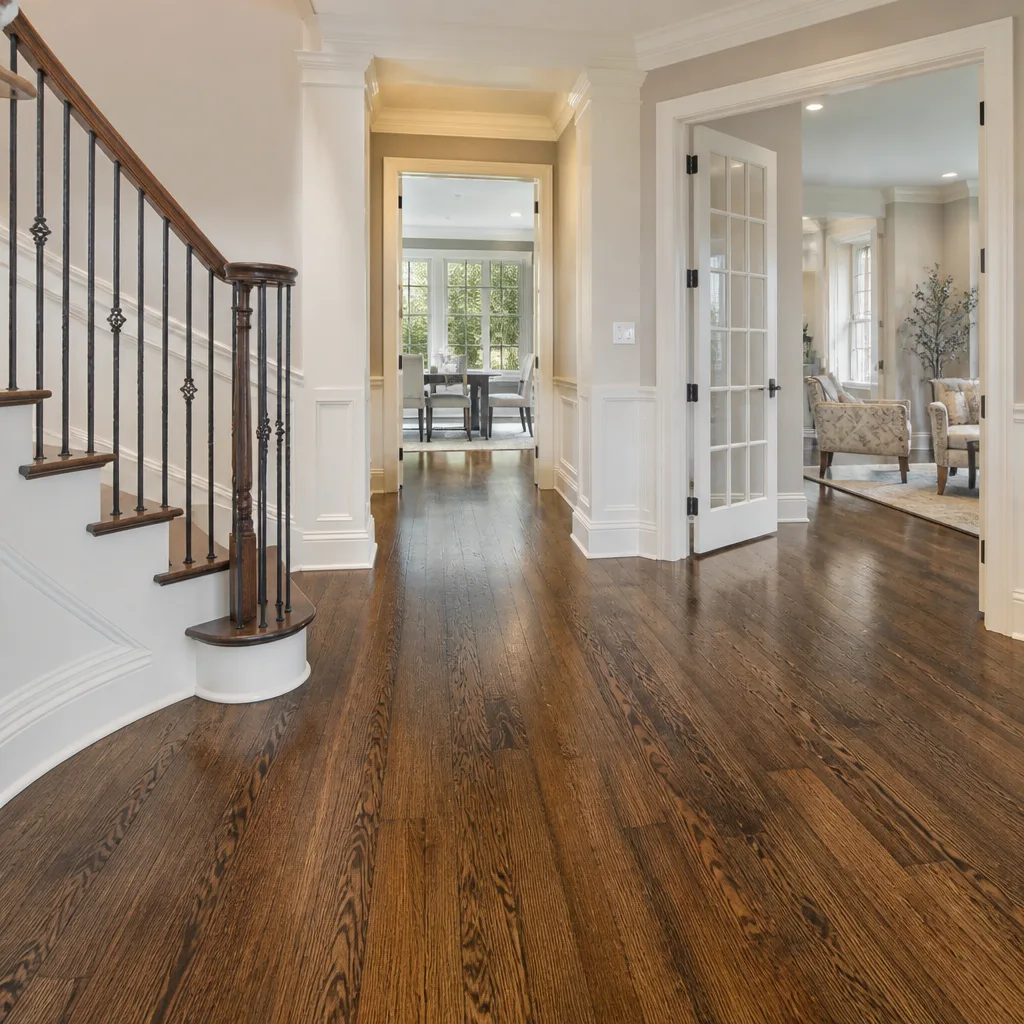 Hardwood
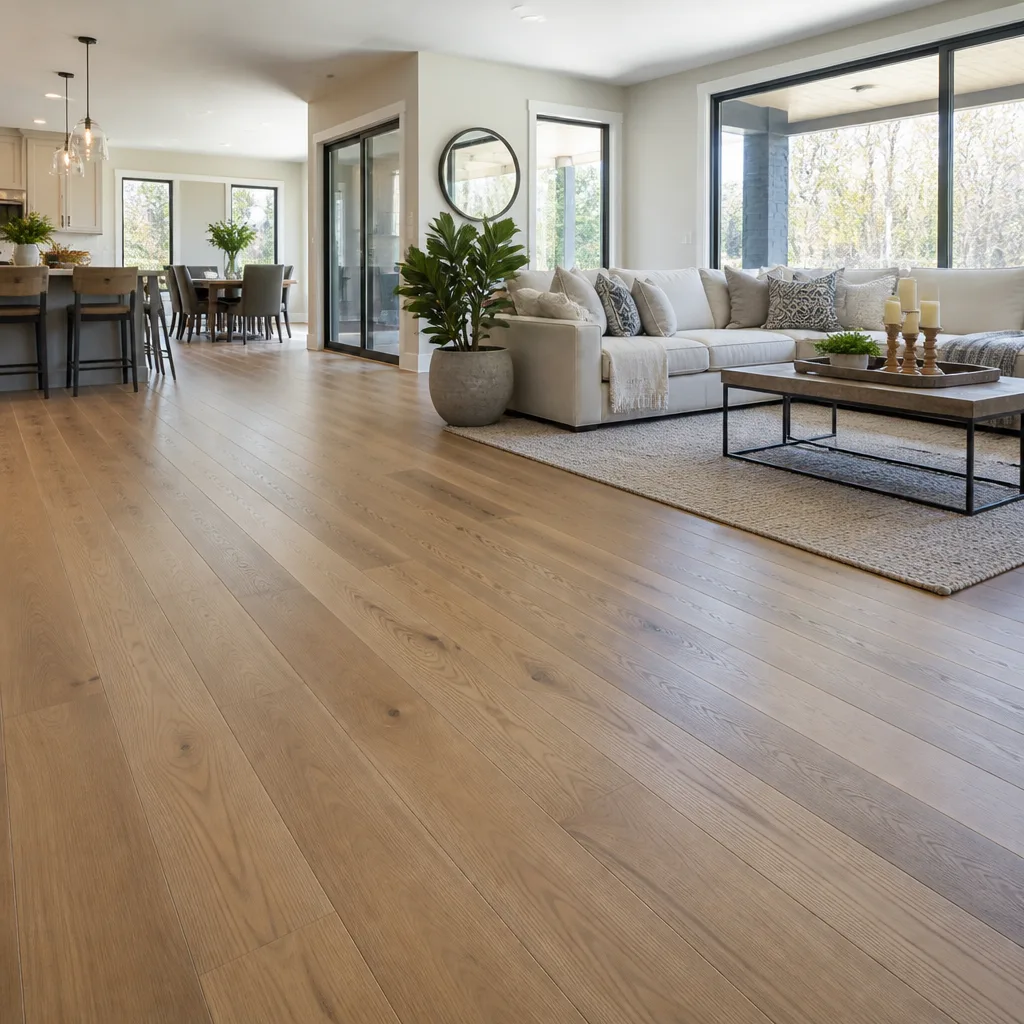 Engineered hardwood
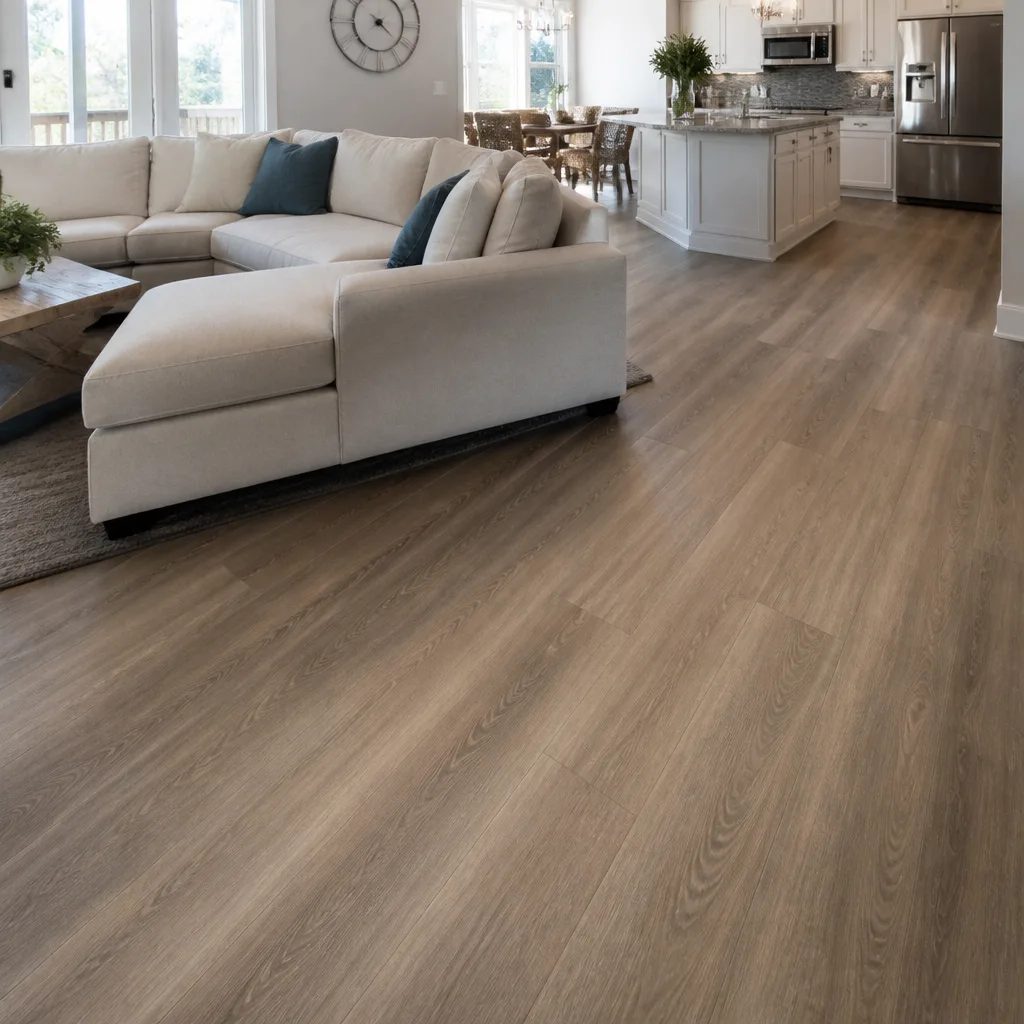 Luxury vinyl plank
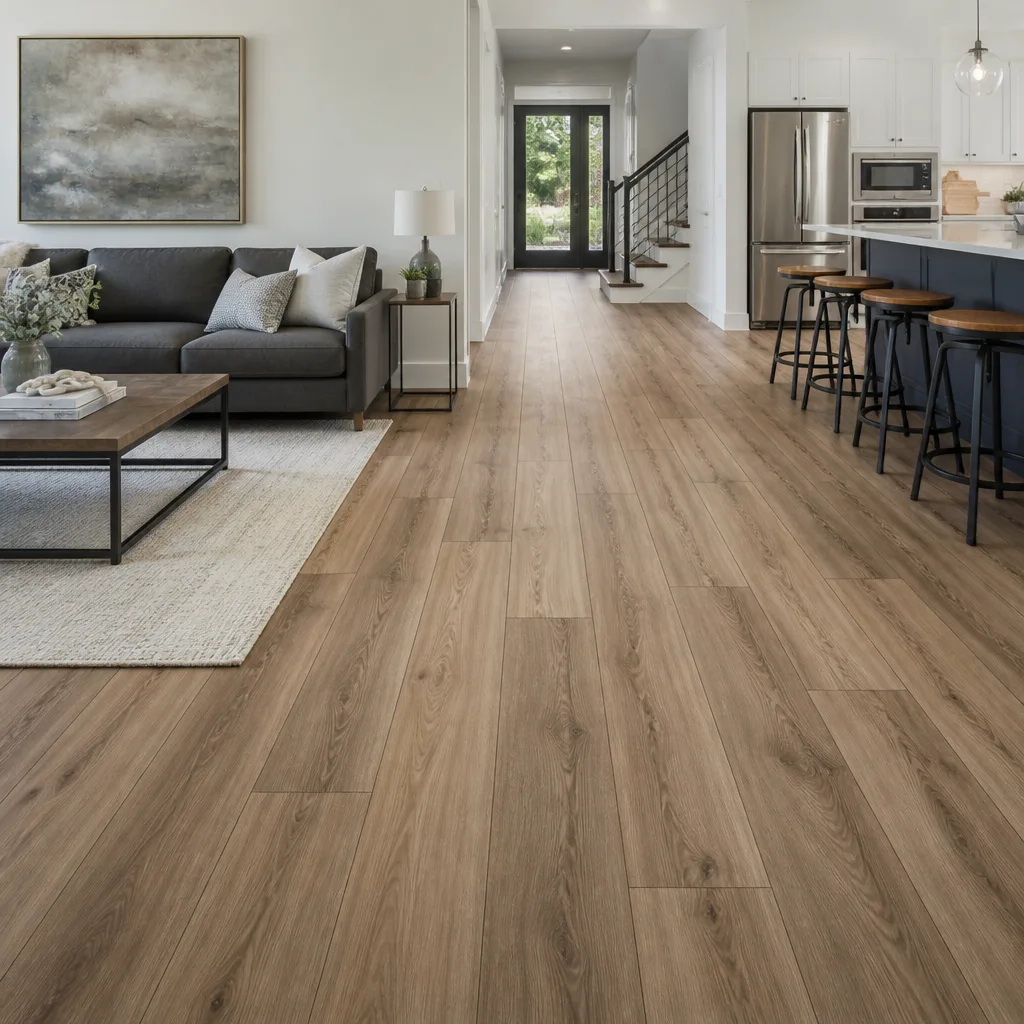 Laminate
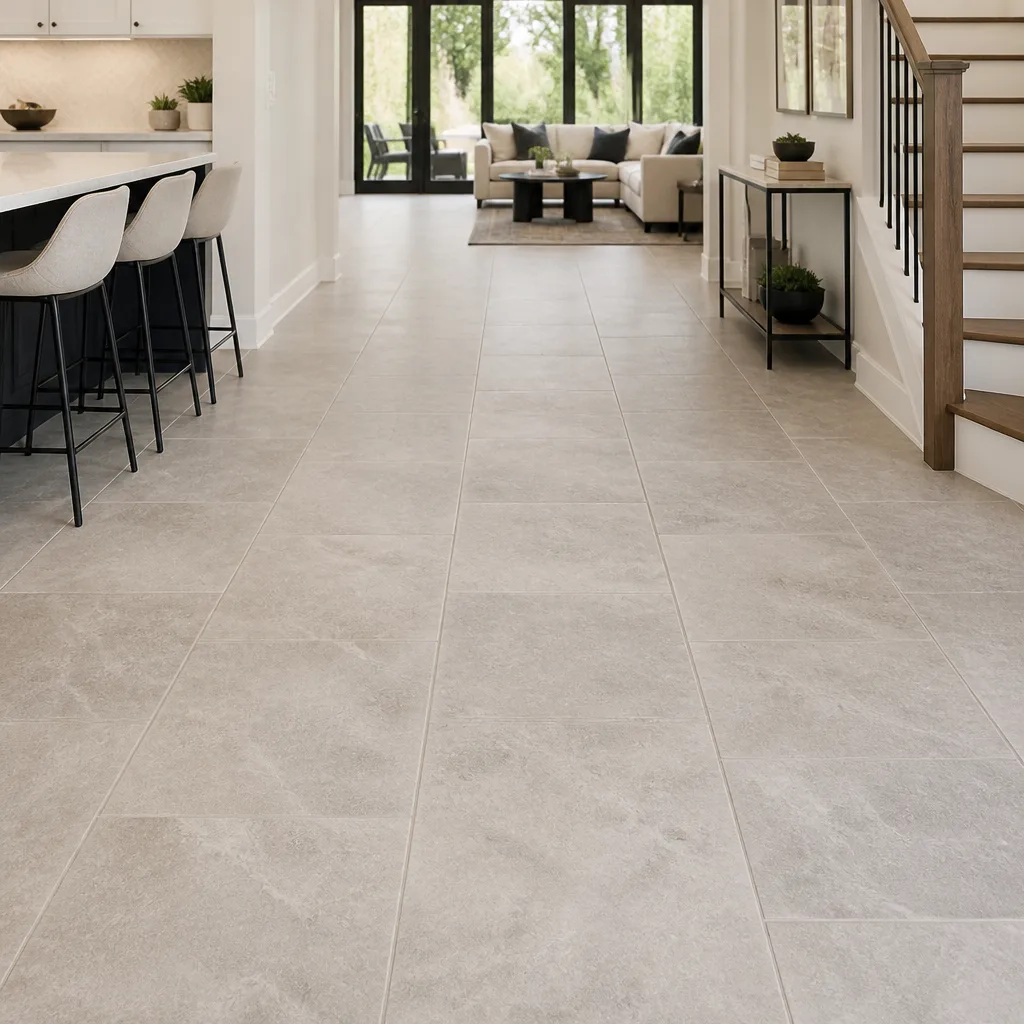 Porcelain tile
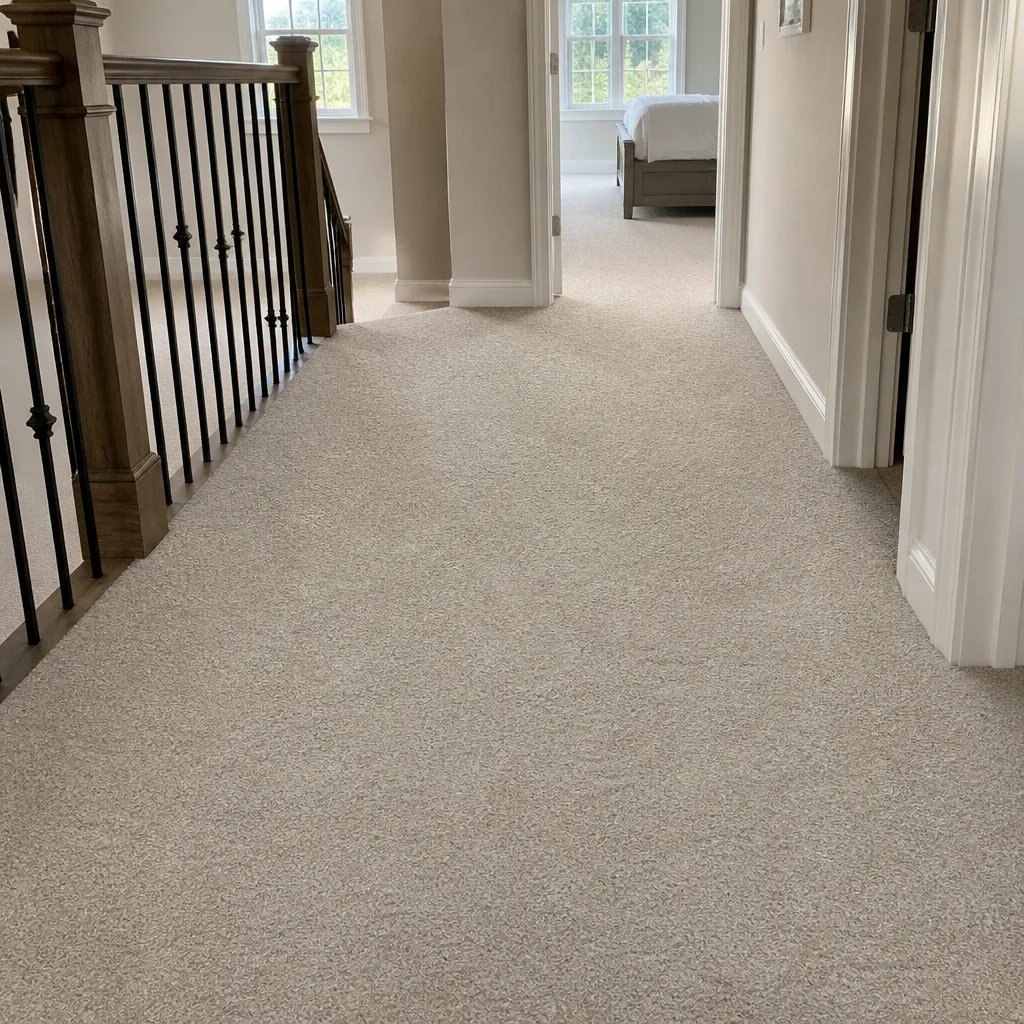 Carpet
 Shaw
 Mohawk
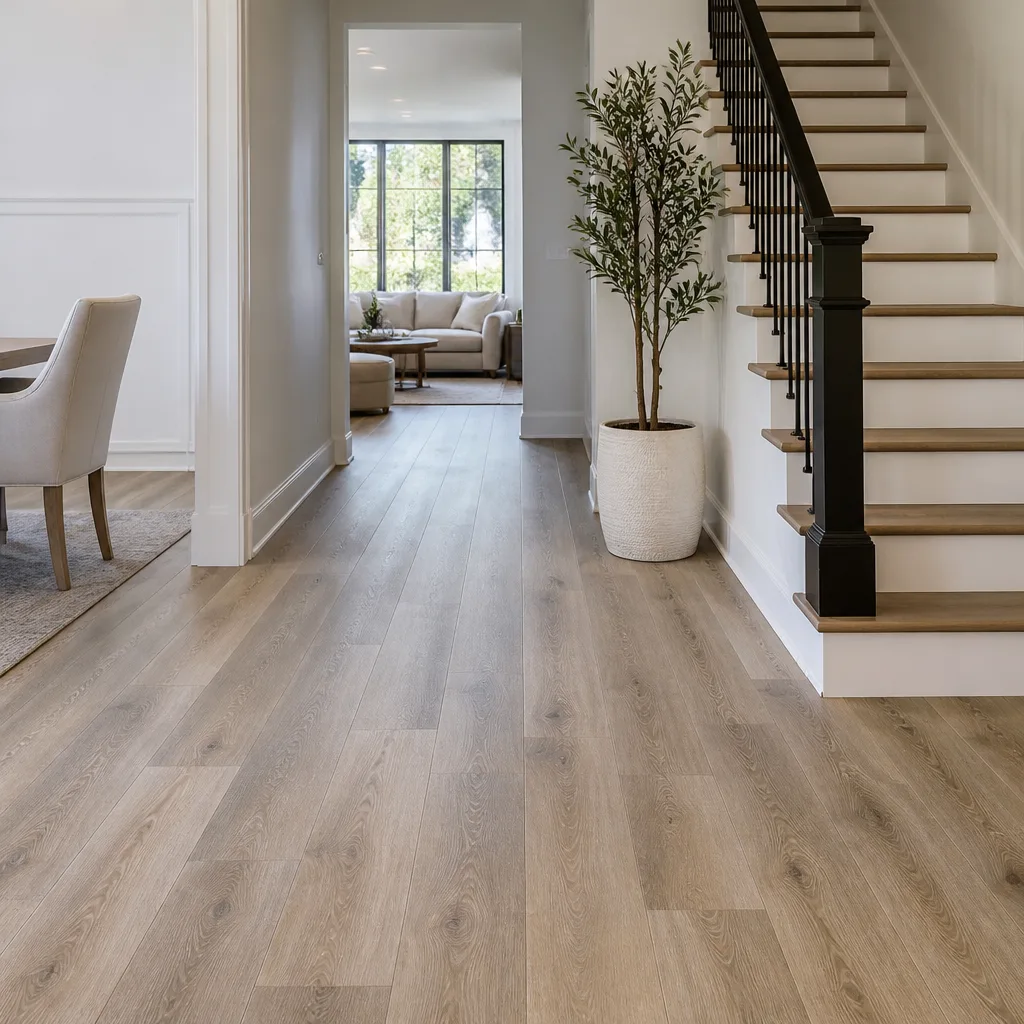 COREtec
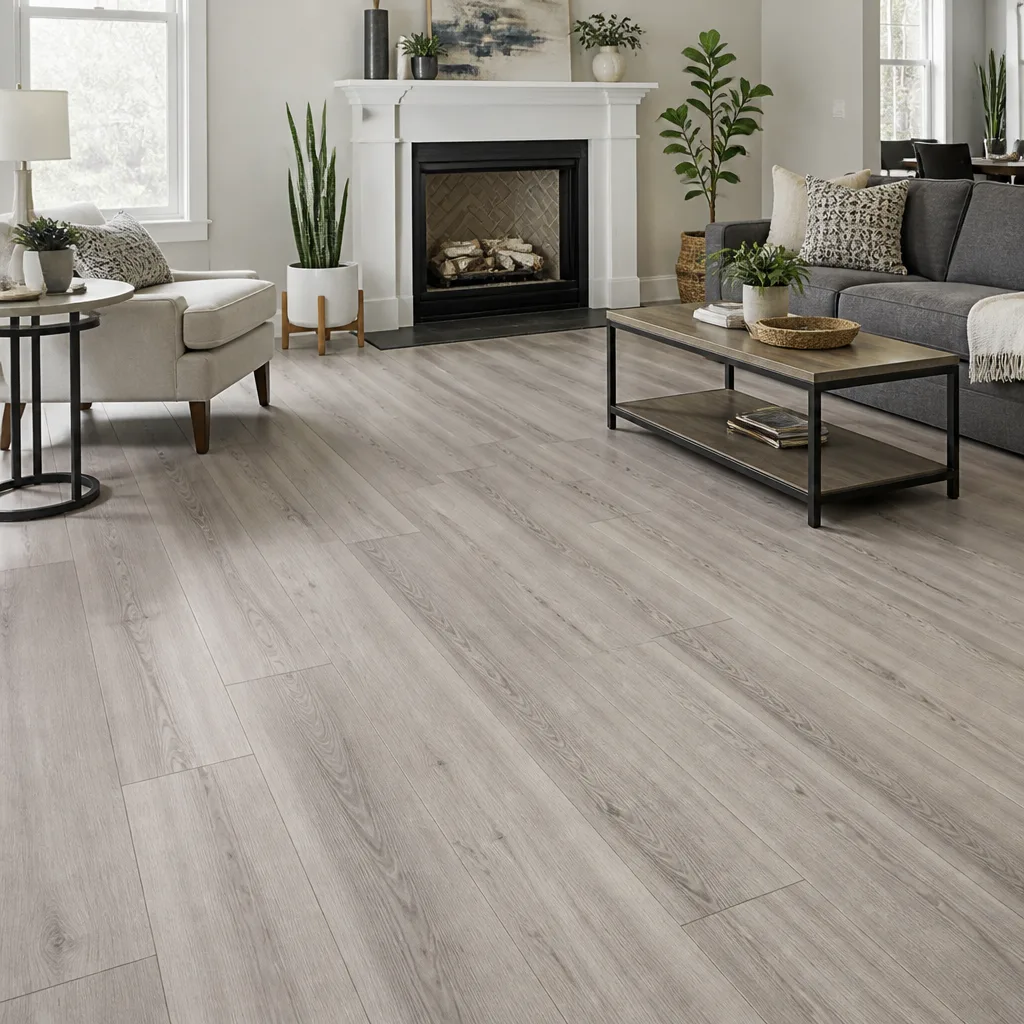 Pergo
Free in-home measure and written estimate: Shaw, Mohawk, COREtec and Pergo lines compared on your own rooms, with carpet, tile, vinyl plank, laminate and hardwood laid out side by side
Get your free estimateFlooring Cost Breakdown: The Las Vegas Homeowner’s Reference for 2026
Most flooring cost surprises in Las Vegas don’t come from the material. Prices on carpet, tile and hardwood are broadly similar to what homeowners pay elsewhere in the country. What blows up a budget is the work underneath and around the material: pulling up old tile set on a concrete slab, correcting a subfloor that has shifted, adding a moisture barrier where desert construction demands one. Those line items rarely show up on the first quote you get, and they’re exactly where a 30% overrun hides. This guide breaks down 2026 pricing for the Las Vegas market by material, labor and prep, so you can read a bid like a contractor and know what’s missing before you sign.
Quick Answer
Flooring installation in Las Vegas typically runs $4 to $12 per square foot installed, depending on material and what has to happen before the new floor goes down. Carpet sits at the low end, tile in the middle to upper range, and hardwood or luxury vinyl pushes higher once prep and leveling are factored in. The single biggest variable in a Las Vegas quote is concrete slab prep and old tile removal, which can add $1.50 to $4 per square foot on its own and is impossible to price accurately without seeing the substrate. A written, itemized estimate – not a lump sum – is the only number you should plan a budget around.
Styles & brands we work with
- Hardwood
- Engineered hardwood
- Luxury vinyl plank
- Laminate
- Porcelain tile
- Carpet
- Shaw
- Mohawk
- COREtec
- Pergo
Table of Contents
- What Actually Drives Flooring Cost in Las Vegas
- 2026 Price Per Square Foot by Material
- Why Tile Removal Is the Line Item Nobody Quotes
- The Concrete Moisture Barrier Line Item
- How to Read a Flooring Quote Like a Contractor
- Realistic Total Project Costs by Home Size
- Common Mistakes to Avoid
- When to Call a Professional
What Actually Drives Flooring Cost in Las Vegas
Material costs are largely the same in Las Vegas as anywhere else. A carton of luxury vinyl plank or a square foot of porcelain tile costs what it costs. What shifts the final invoice is the labor and prep specific to how desert homes are built. Most Las Vegas houses sit on a concrete slab rather than a raised wood subfloor, and that one fact changes almost everything about a flooring estimate.
Here’s what we’ve seen move the needle most:
- Concrete slab prep. Slabs aren’t perfectly flat. Grinding high spots, filling low spots and patching cracks all take time and material.
- Existing floor removal. Pulling up old tile, carpet or glued-down flooring, then disposing of it, is real labor. Tile set on a slab is the hard case.
- Moisture. Concrete can pass moisture vapor from below. Certain products need a barrier; skipping it can void the product’s warranty and cause the floor to fail.
- Room layout. Lots of small rooms, tight hallways and staircases eat more time per square foot than one open great room.
- Product choice. Carpet, tile, and hardwood refinishing each carry different labor profiles. A material that installs fast can still cost more if prep is heavier.
The takeaway: when you compare two quotes for the same job in Las Vegas and one is dramatically lower, the difference is almost never the material. It’s what’s underneath, and whether the lower bid accounted for it.
2026 Price Per Square Foot by Material
These are typical estimated 2026 ranges for the Las Vegas market, split out by material, labor and prep so you can see where the money actually goes. The written estimate from your installer sets the final price; treat these as planning numbers.
| Material | Material Cost | Labor | Typical Prep Add-On | Installed Total |
|---|---|---|---|---|
| Carpet | $2.00 – $4.50 | $1.50 – $3.00 | $0 – $1.00 | $3.50 – $7.00 |
| Tile (ceramic/porcelain) | $3.00 – $8.00 | $4.00 – $8.00 | $1.50 – $4.00 | $6.00 – $14.00 |
| Hardwood refinishing | $0.50 – $1.50 (finish) | $3.00 – $6.00 | $0 – $2.00 | $3.50 – $8.00 |
| New hardwood install | $4.00 – $9.00 | $3.00 – $6.00 | $1.00 – $3.00 | $8.00 – $14.00 |
Carpet is almost always the lowest installed cost, which is why it still dominates bedrooms and secondary rooms in Las Vegas homes. Professional carpet installation carries the least prep burden of any category because the pad absorbs minor slab imperfections and the tack strip does the anchoring. Tile runs higher because it’s slow, layout-heavy work, and the prep under it has to be nearly flat and clean. Hardwood refinishing is the sleeper value here: if your home already has solid wood floors with enough thickness left, restoring them can cost far less per square foot than tearing out and installing anything new.
Material grade matters less than people assume. Upgrading carpet or tile within the same category usually costs far less than the jump from one category to another. A good rule: decide the room’s demands first, then pick the product that meets them. Daltile porcelain in a kitchen and Mannington hardwood in a living room aren’t competing on price – they’re solving different problems. For a full walkthrough of what each installed floor involves, see our flooring installation Las Vegas page.
Why Tile Removal Is the Line Item Nobody Quotes
Tile removal is one of the most common prep jobs in Las Vegas homes, and it’s the one most likely to be missing from a first quote. It adds roughly $1.50 to $4 per square foot, and it cannot be reliably estimated without physically seeing the substrate underneath. That’s not a sales tactic. It’s the honest answer.
Here’s why it’s so unpredictable:
- You can’t see the bond. Some tile sits on a thin layer of thinset that pops up in large sheets. Some is embedded in a thick mortar bed that has to be chipped down, sometimes inch by inch.
- There may be a membrane. Tile laid over a crack-isolation membrane or a moisture barrier means an extra removal step and more disposal.
- Cracking and chip damage can spread. Aggressive removal can damage the slab edge, adding patching to the job.
- Disposal is heavy. Tile debris is dense and bulky. Hauling and dump fees are part of the removal cost, not a free afterthought.
- Layout resurfaces. Under the old tile, you may find cracks, low spots or old adhesive that need treating before anything new goes down.
Because the substrate can’t be judged from a photo, any quote that states a tile removal price from a picture alone is a guess. A legitimate installer either visits to look at it or clearly flags removal as a variable to be confirmed on site. In our experience, the homes with the biggest surprises are the ones where tile was laid decades ago over a slab that has since shifted. If your home has old tile set directly on concrete, plan for removal to land somewhere in that range and confirm it at the estimate visit.
The Concrete Moisture Barrier Line Item
Concrete transmits moisture vapor from the soil below. In Las Vegas the climate is dry, but concrete slabs still move moisture, and that vapor rises into whatever floor sits on top. A moisture barrier – a membrane or coating applied to the slab before the new floor goes down – is sometimes mandatory and sometimes optional, depending on the product and the readings taken at the slab. What happens if you skip it when it’s needed is not cosmetic: trapped vapor can cause adhesive to fail, planks to cup or lift, and tile to loosen. It can also void the product’s warranty.
What you need to know:
- When it’s needed: The product’s installation instructions and the vapor readings taken at the slab determine it. Some products require a barrier; others are built to tolerate a certain amount of vapor.
- What it costs: Expect to budget roughly $0.50 to $2.00 per square foot depending on the membrane type. It’s a small line item relative to replacing a failed floor.
- Who decides: The product instructions and your installer’s readings. Not a gut feeling and not the lowest bid.
- What skipping it risks: Adhesive failure, cupping, gapping and a floor that has to come up. It also gives the product maker grounds to deny a warranty claim.
Ask, before you sign, one direct question: “Is a moisture barrier included, and did you test the slab?” An itemized quote will show it as a distinct line. A vague lump sum will not. This is also where brand guidance matters – some flooring lines build moisture tolerance into the product while others depend entirely on the barrier beneath. The instructions set the rule, not a salesperson’s opinion, and the written estimate should reflect what the product actually requires. That’s true for any of the nine brands we work with, from COREtec and LifeProof to Daltile and Armstrong.
How to Read a Flooring Quote Like a Contractor
A detailed bid is your best protection against an overrun. When you know which items should appear, the difference between a solid estimate and a thin one becomes obvious fast. Here’s a numbered checklist to run any flooring quote through before you commit.
- Square footage, room by room. Not a single total. Each area should show its own measurement so you can verify the math and catch padding.
- Material line, itemized by product. Brand, product name, and the coverage per carton or box. You should be able to see exactly what you’re buying.
- Labor broken out separately from material. If labor and material are merged into one figure, you can’t tell what a change will actually cost you.
- Removal and disposal listed explicitly. Or the quote says “no removal” – both are acceptable; silence is not.
- Prep and leveling line item. Grinding, patching and flattening should appear as its own cost with a note on what’s driving it.
- Moisture barrier, clearly marked included or excluded. With a note on whether the slab was tested.
- Trim, transitions and thresholds. Baseboards, stair nosings, reducer strips and door trims are often forgotten and always cost something.
- Furniture moving and floor protection. Who moves the sofa, and who protects the walls? Confirm it in writing.
- Payment schedule. A reasonable deposit, not most of the total up front.
- Written scope statement. What’s included, what’s excluded, and what triggers a change order.
Red flags in a vague estimate: a single dollar figure with no square footage, “prep included” with no detail, no removal or disposal line, no mention of the slab, and a request for most of the money before any work starts. Any one of these alone isn’t proof of a bad deal, but three together mean you should get a second itemized bid before you sign. The bid should also tell you when the schedule is set – the estimate visit is where the install day gets booked, not on a phone call.
Realistic Total Project Costs by Home Size
Here’s how the numbers land across three common Las Vegas home sizes using mid-grade products. These are planning estimates built on the per-square-foot ranges above, assuming a typical mix of rooms and a normal amount of prep. Your written estimate is the only binding number.
1,200 Square Foot Home
A common size for a starter home or condo. A whole-home refresh with carpet in the bedrooms and tile in the living areas and bathrooms is typical. Using mid-grade materials and moderate prep, expect roughly $6,000 to $11,000. If old tile has to come out first, add $1,800 to $4,800 depending on the bond and square footage involved. Homes with minimal prep and no removal land at the low end.
1,800 Square Foot Home
Widely seen in the valley’s established neighborhoods. A full-home job mixing carpet, tile and possibly a hardwood refinish runs roughly $9,000 to $17,000 for mid-grade products. Tile removal, if needed, adds $2,700 to $7,200 on top, and a moisture barrier where required adds another $900 to $3,600. This is the size where multi-room staging – doing the job in one coordinated schedule rather than piecemeal – usually saves the most on total labor.
2,500 Square Foot Home
Larger family homes with more tile and more rooms. A whole-home mid-grade job lands around $12,500 to $24,000 before removal and barrier. Once you add tile removal across the main living areas and a moisture barrier, the total can move toward the upper end of that band or beyond. The bigger the home, the more important the itemization – a 2,500 square foot job leaves much more room for unidentified prep and waste.
Notice the pattern: the material cost is fairly stable across all three. The prep and removal decide whether the final number holds or climbs. That’s why a qualified installer wants to see the substrate before quoting, and why a detailed bid – not a lump sum – is what you should compare against. For homes with existing wood, refinishing often offsets a large share of the cost of new installation, which is one reason we treat restoration as its own service line rather than a rental-only afterthought.
Common Mistakes to Avoid
- Choosing a quote on price alone. A low bid that omits prep, removal or the barrier isn’t cheaper – it’s just incomplete. The overrun still arrives, only later when you have less leverage.
- Skipping the slab check. Buying material before anyone has looked at the concrete is how tile and plank jobs go sideways. The substrate determines what you can install and what prep it needs.
- Assuming a cheaper product solves a preexisting problem. If the slab moves moisture, no floor on top of it stays put without the right barrier. Product choice can’t fix a prep problem.
- Not asking who removes the old floor. In Las Vegas, old tile removal is the most common surprise line item. Get it in writing – included, or excluded and priced.
- Overlooking the trim and transitions. Baseboards, thresholds and stair nosings are real costs. A quote that ignores them will find them later.
- Buying from one place and installing through another. When material and labor come from separate sources, blame for failure becomes a circle. Buying from the installer keeps one party accountable.
- Forgetting that a floor has to be booked. Flooring is a scheduled job. Rushing to a same-day install means skipping the measure and the estimate – the exact steps that prevent surprises.
When to Call a Professional
Bring in a professional when the job involves tile removal from a concrete slab, slab leveling or patching, a moisture barrier decision, or any full-home installation across more than a couple of rooms. These are the scenarios where the unseen work decides the cost, and guessing at it is expensive. A trained installer can read the substrate, explain what it needs, and put the prep in writing before anything is ordered.
Refinishing hardwood is another call-it-in case, especially if you’re not sure how much thickness is left in the wood. That’s checked at the estimate visit, not over the phone. Multi-room projects with carpet, tile and wood in the same schedule are also worth a single professional who installs all three rather than three separate contractors.
Flooring Installation Las Vegas offers free estimates in Las Vegas – call (888) 294-5867 to schedule yours. Estimates are free and every price is set per job by the written estimate. Call (888) 294-5867. We answer 24/7. Fast dispatch from 7am to 7pm, Sunday through Friday.
See the difference
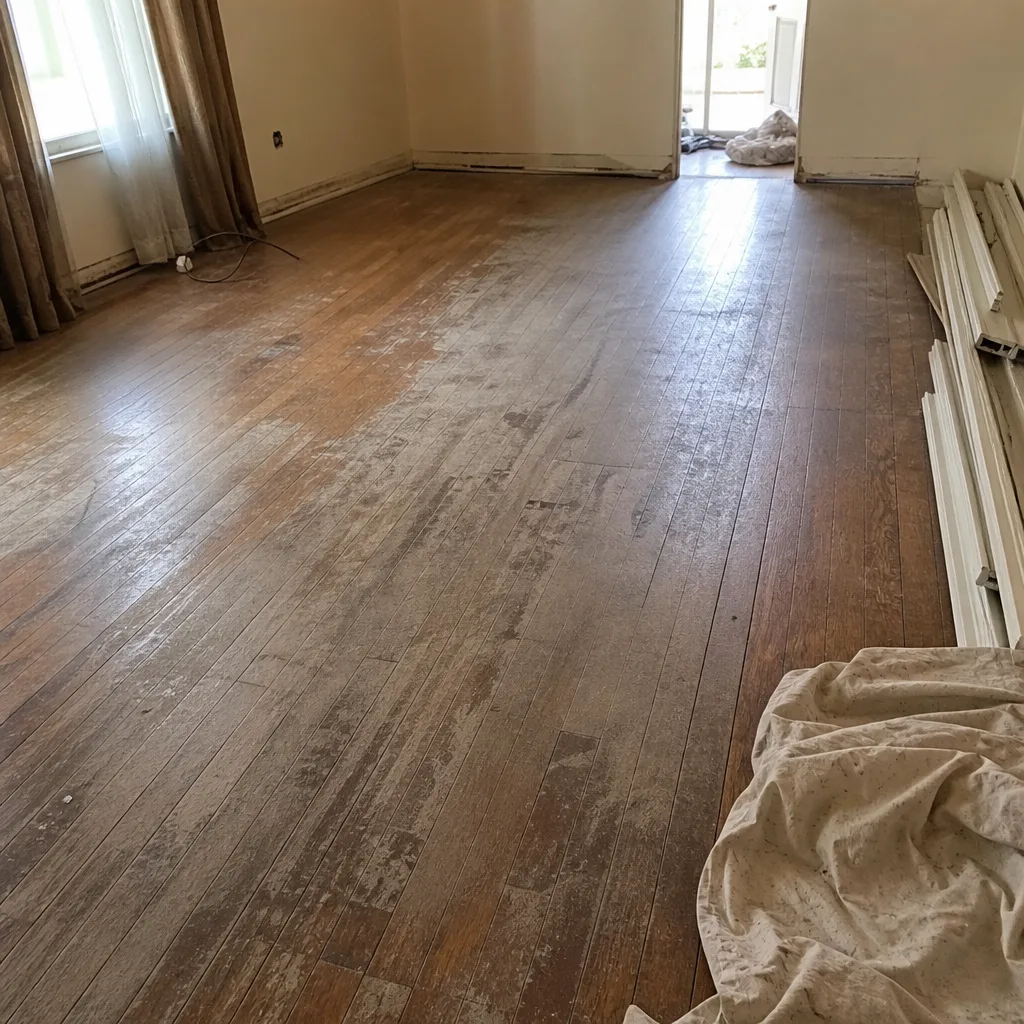 Before
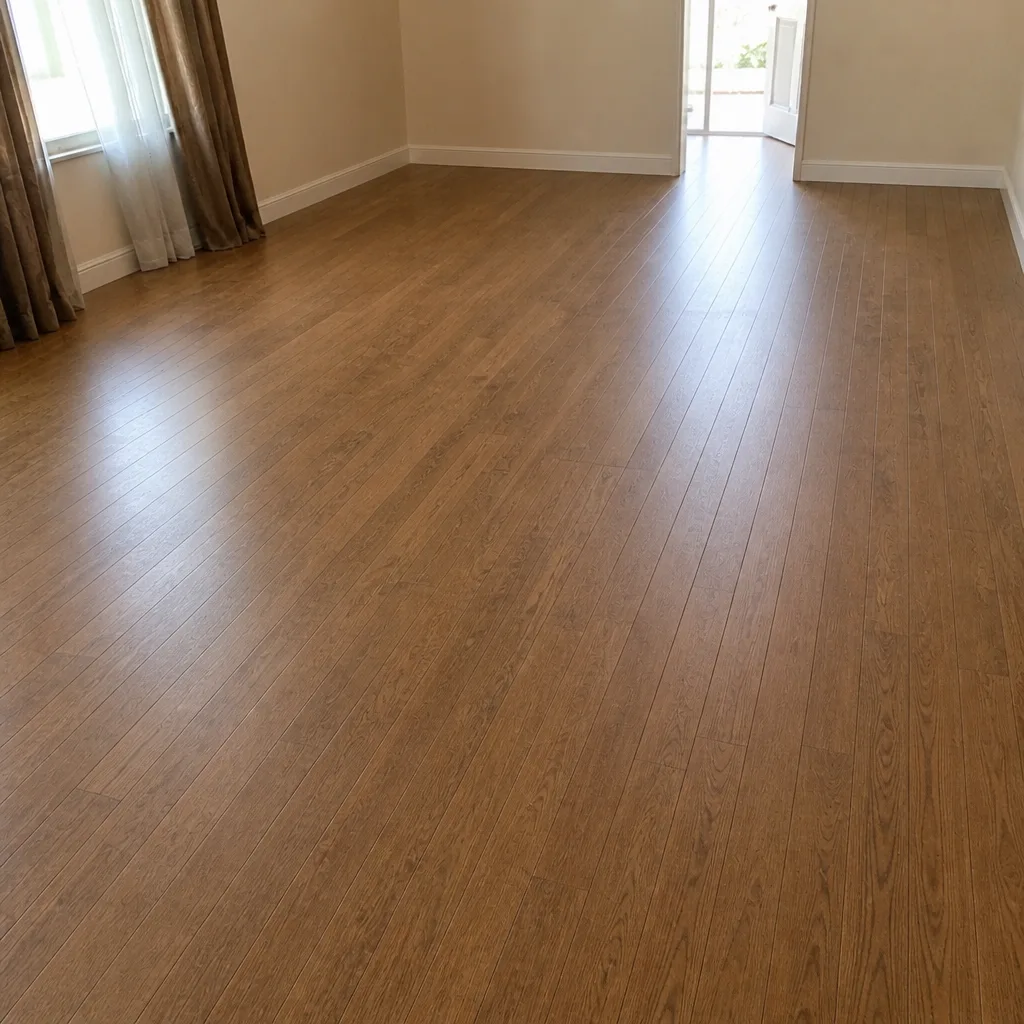 After
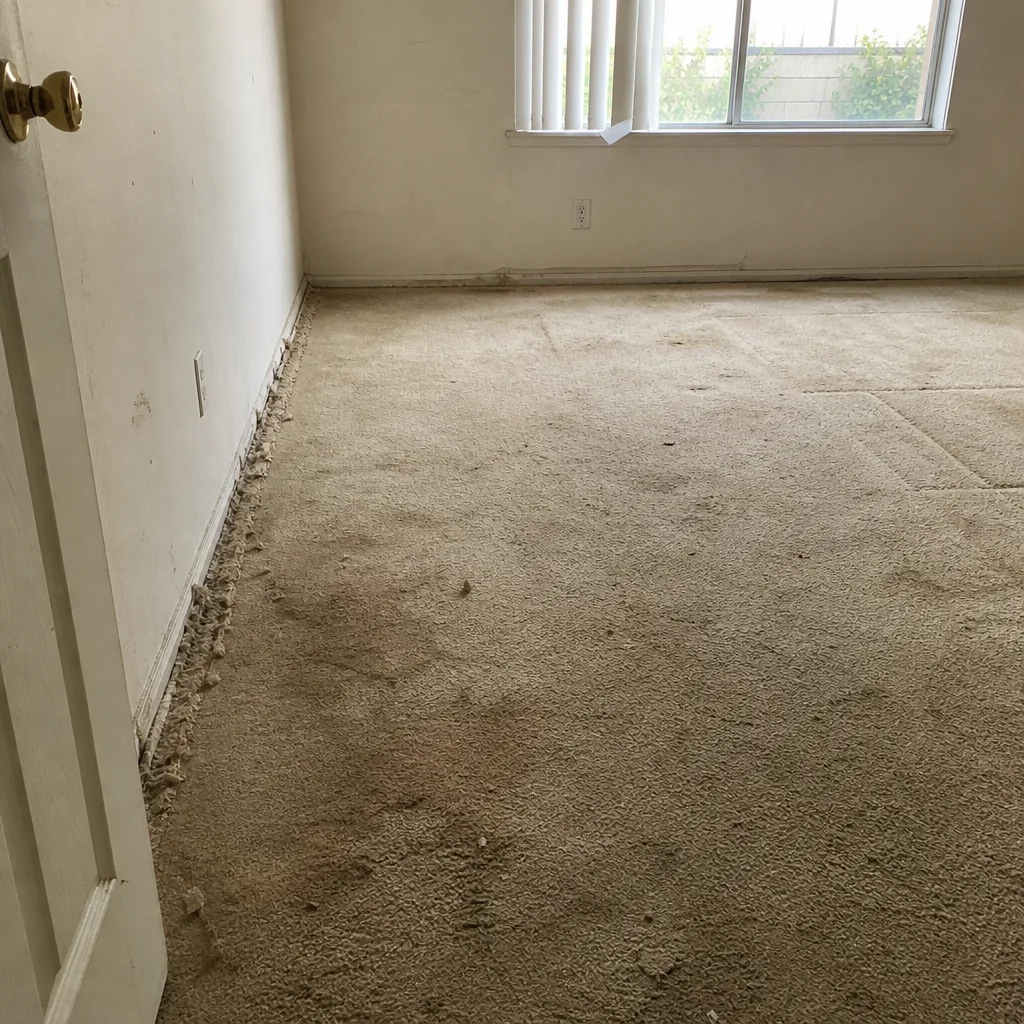 Before
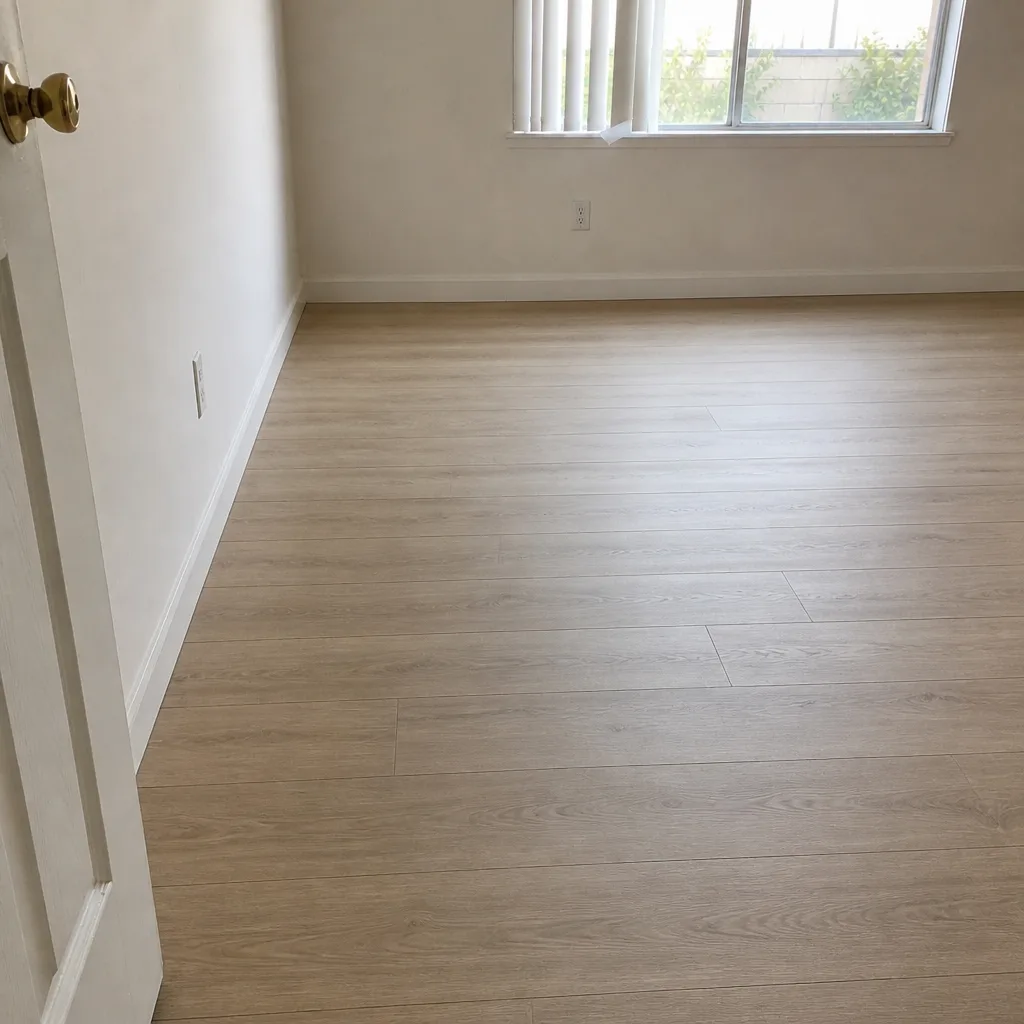 After
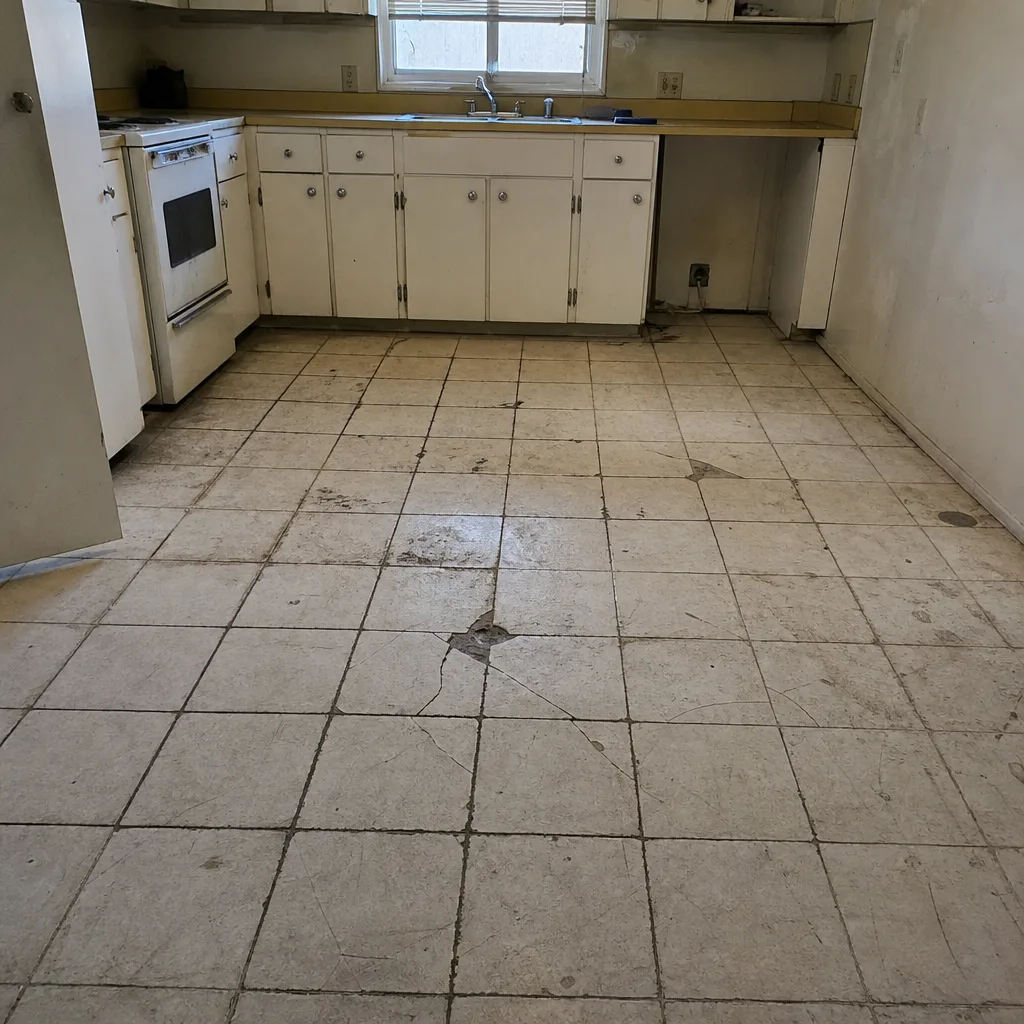 Before
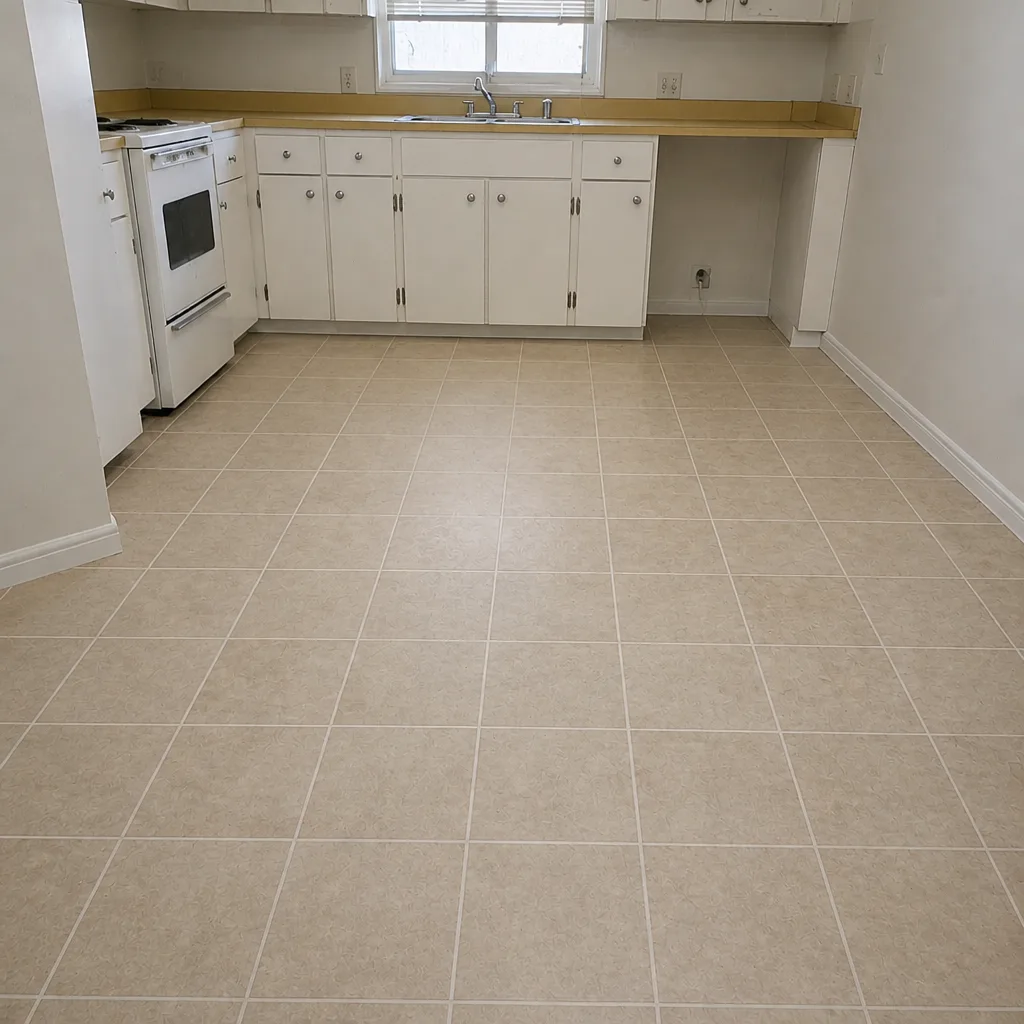 After
Frequently Asked Questions
Flooring installation in Las Vegas typically runs $4 to $12 per square foot installed, with carpet at the low end, tile in the middle and hardwood or premium vinyl higher. Prep, old tile removal and moisture barriers can add $1.50 to $4 per square foot on their own, so the written estimate is what sets your actual price. Call (888) 294-5867 for an exact quote – estimates are free.
The gap is almost always explained by prep and removal: concrete slab leveling, old tile removal, and a moisture barrier where the product requires one. Those variables can’t be priced accurately without seeing the substrate, so a firm number up front was never real. An itemized, written estimate after a site visit is the number to build a budget on.
Yes, that’s the typical 2026 range for tile removal and disposal in Las Vegas homes. The exact figure depends on how the tile is bonded – a thin thinset layer pops up easily, while an embedded mortar bed has to be chipped out and costs more. It can’t be estimated from a photo. Call (888) 294-5867 to book a free estimate where it’s checked on site.
No – it’s required when the product’s instructions call for it and when moisture readings at the slab indicate it. Some products are built to tolerate more vapor than others. Budget roughly $0.50 to $2.00 per square foot if it’s needed, and confirm it’s listed as a line item on the quote.
There’s no fixed answer – the schedule is set at the estimate, once the square footage, prep and removal are known. Carpet and tile jobs and refinishing each run on different timelines, and multi-room projects are scheduled around them. The written estimate is where your install day is booked.
We work with nine flooring brands, including COREtec, LifeProof, Daltile, Mannington, Armstrong, Shaw, Mohawk, Pergo and Karndean, so you’re matching the product to the room rather than fitting around one line. We install and service the floor you choose. Call (888) 294-5867 to schedule a free estimate.
The Bottom Line
The material is rarely the problem. In Las Vegas, the flooring quote that holds is the one that accounts for the concrete slab underneath, the old tile that has to come out, and the moisture barrier the product actually requires. Those three line items decide whether your budget holds or blows past it. Insist on an itemized written estimate, ask the slab question, and get removal and barrier confirmed in writing before you agree to anything. Start with a free measure and estimate, get the price in writing, then book the install day. If you’d rather not sort the prep variables alone, one team that handles carpet, tile and refinishing can cover the whole project. That’s the whole reason our expertise lives underfoot. Call (888) 294-5867 to schedule your free estimate. We answer 24/7. Fast dispatch from 7am to 7pm, Sunday through Friday.
For rooms where soft surfaces make sense, our carpet installation team can walk you through pad and product options at the measure. For kitchens, baths and entryways, tile flooring installation covers the layout and slab prep. If you’re weighing a full-home project across several rooms, the planning notes on our Las Vegas page help map out the sequence.
Written by the team at Flooring Installation Las Vegas.