
Last updated November 18, 2026
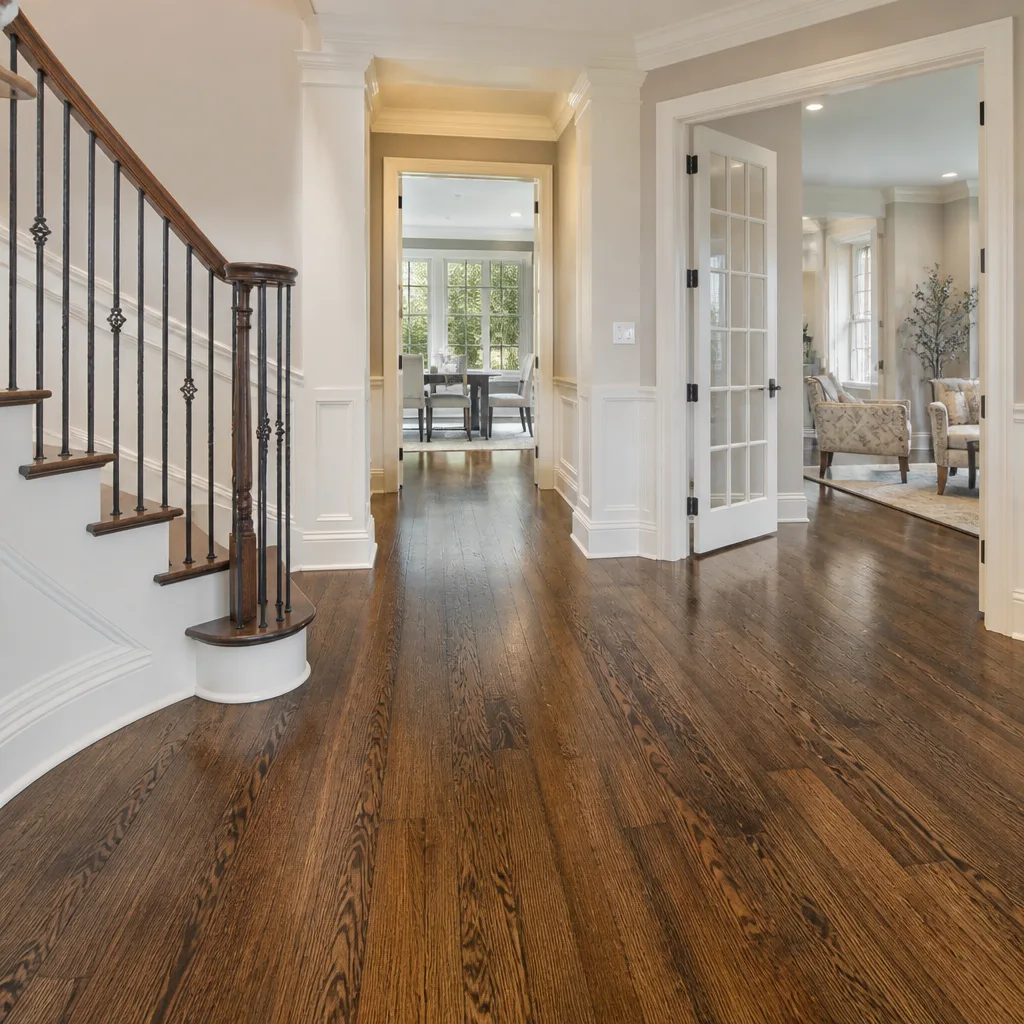 Hardwood
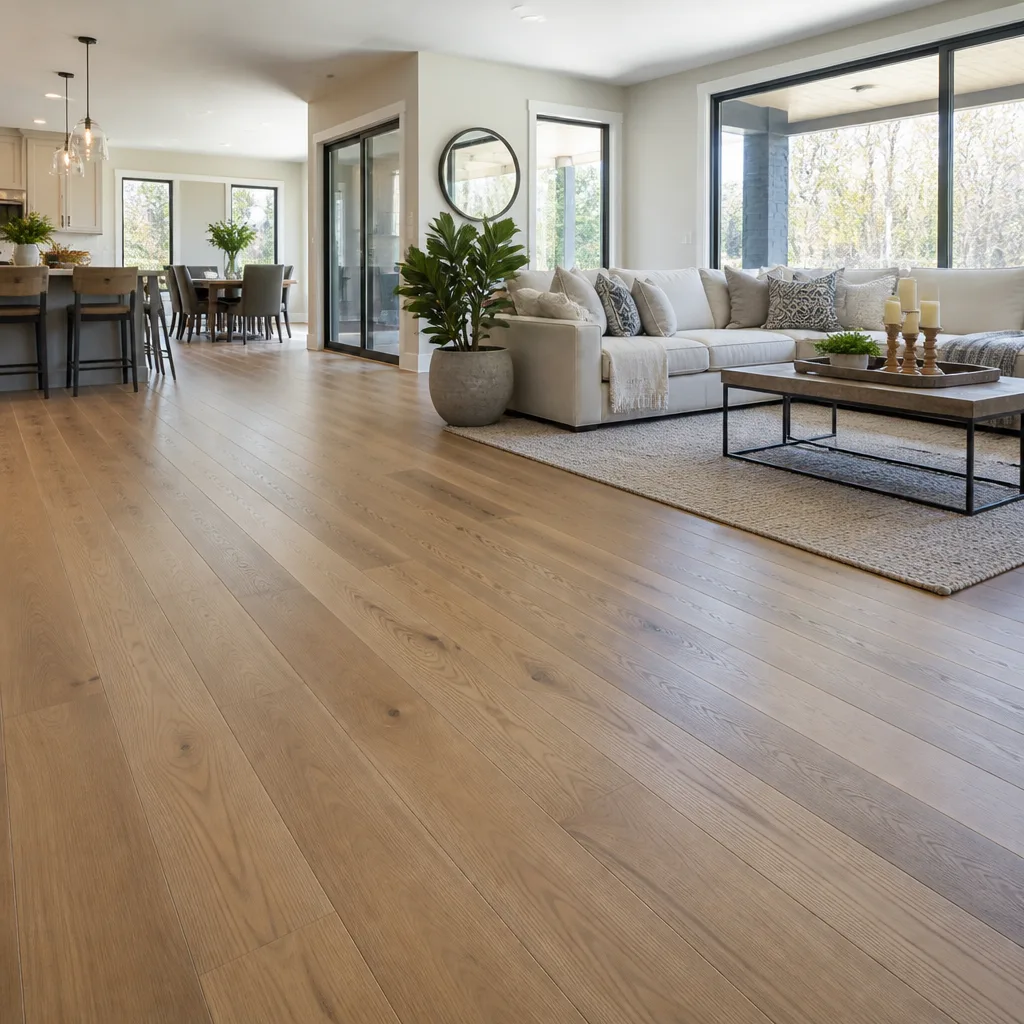 Engineered hardwood
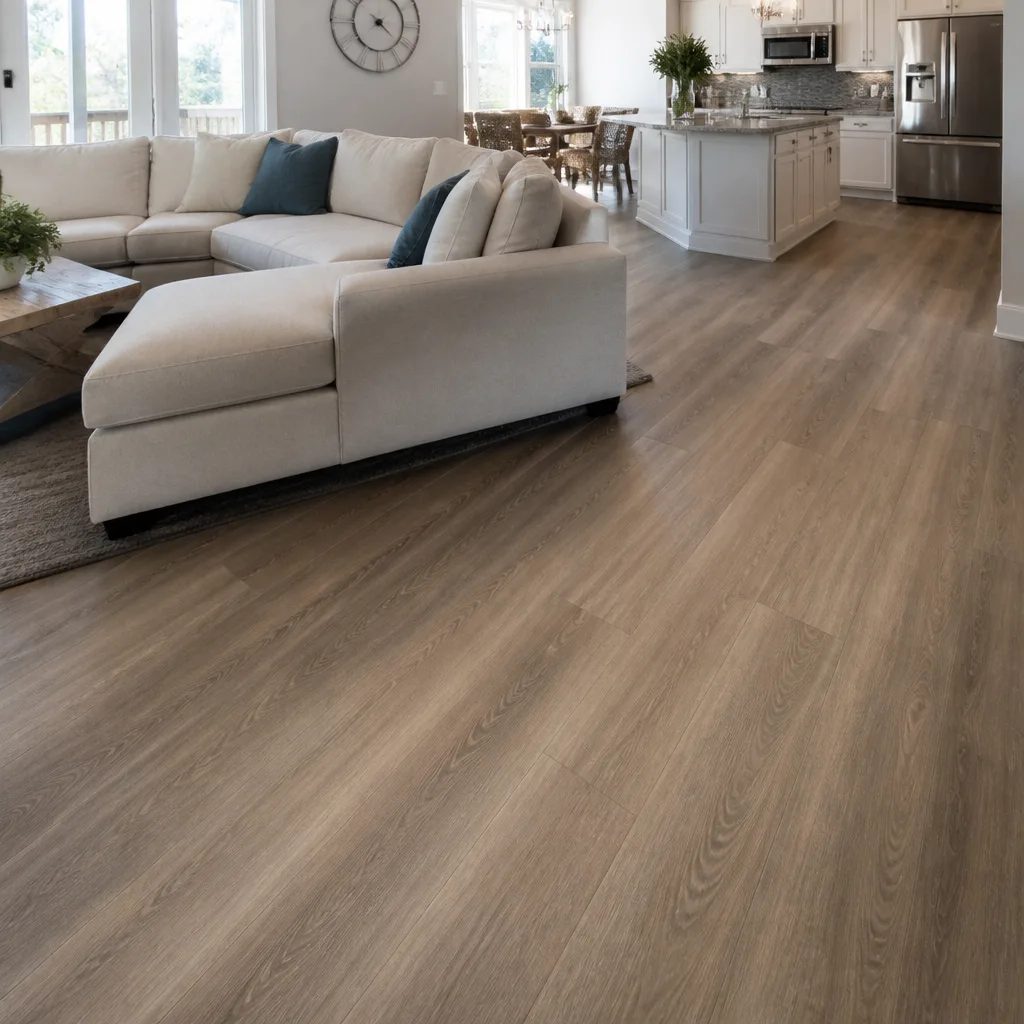 Luxury vinyl plank
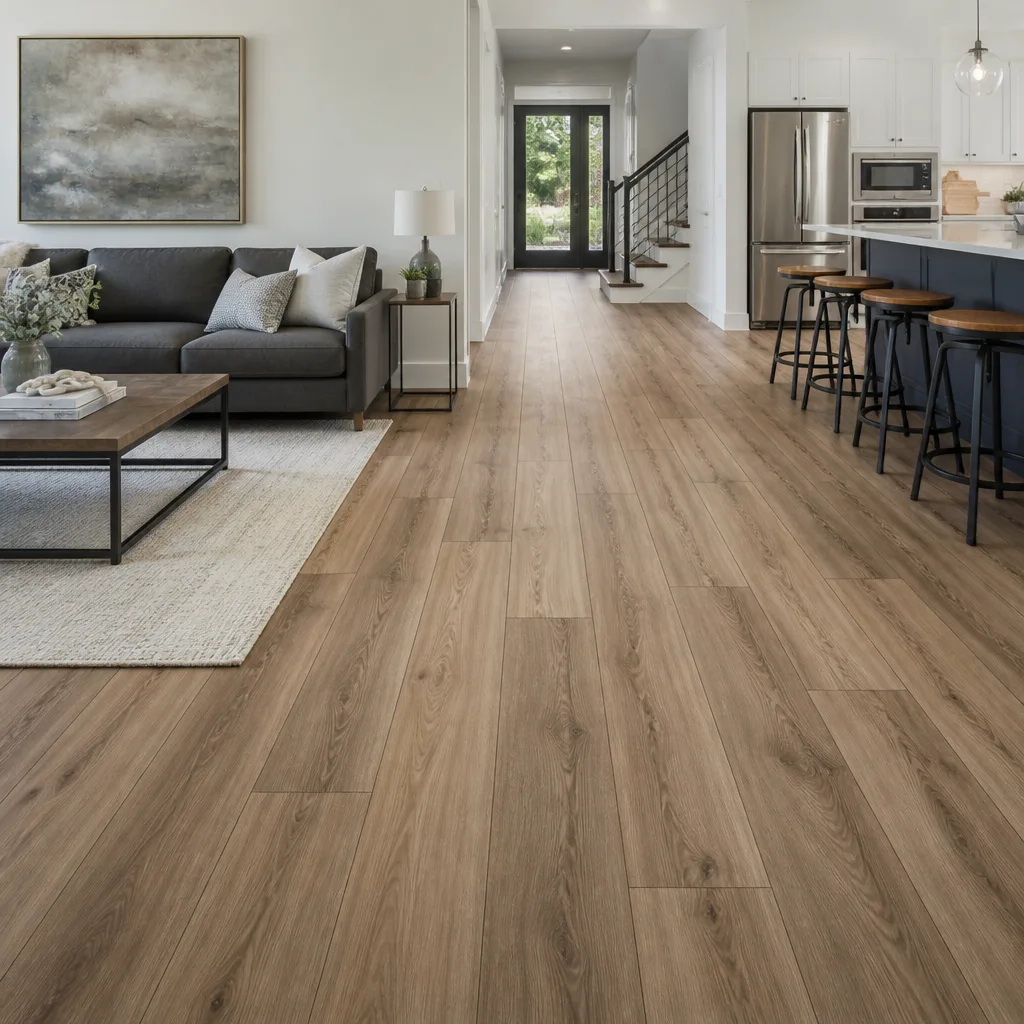 Laminate
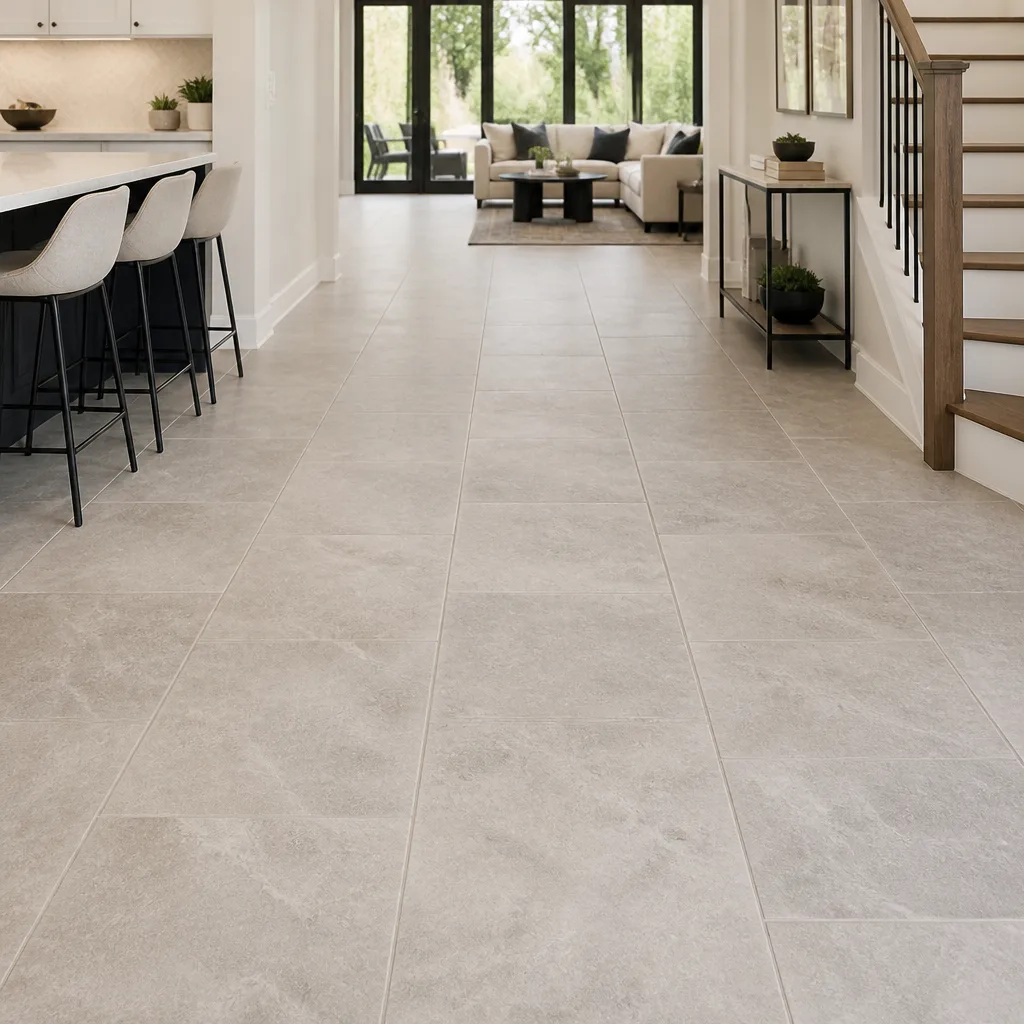 Porcelain tile
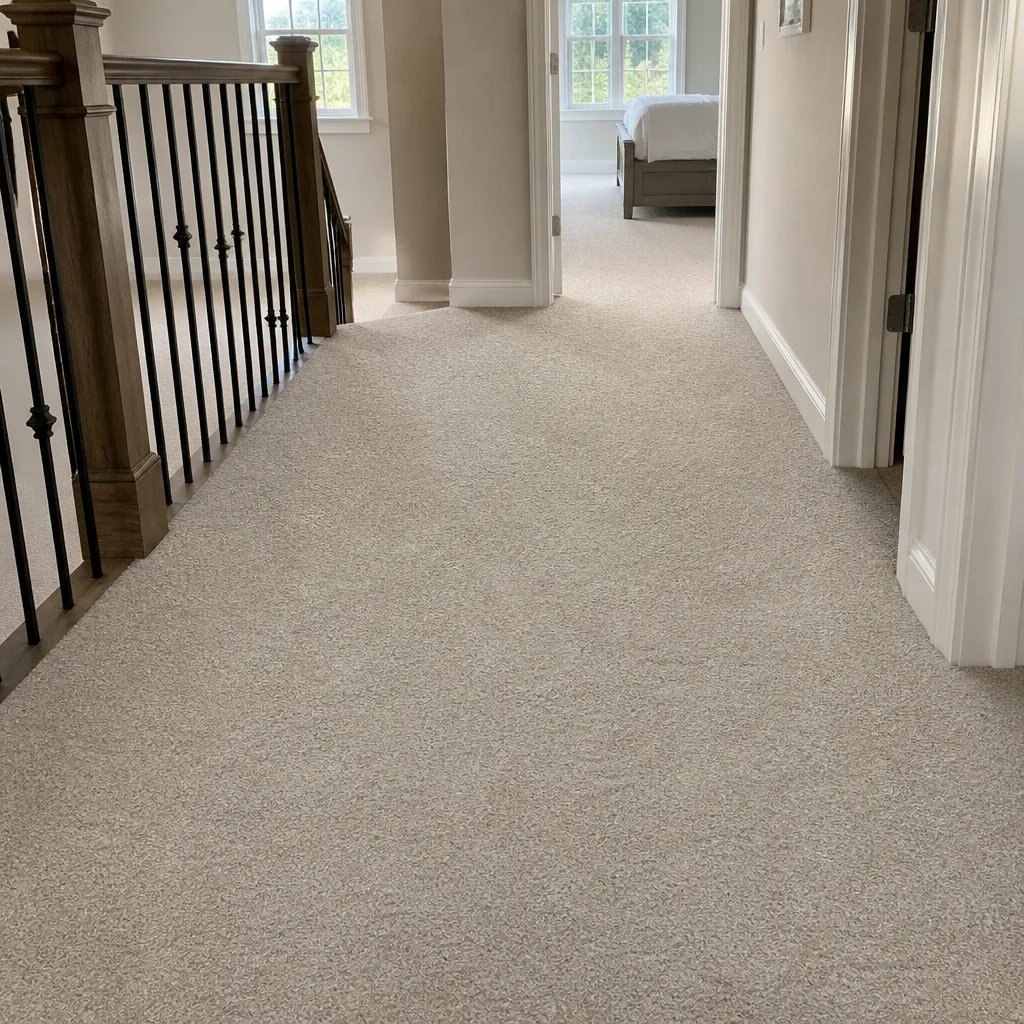 Carpet
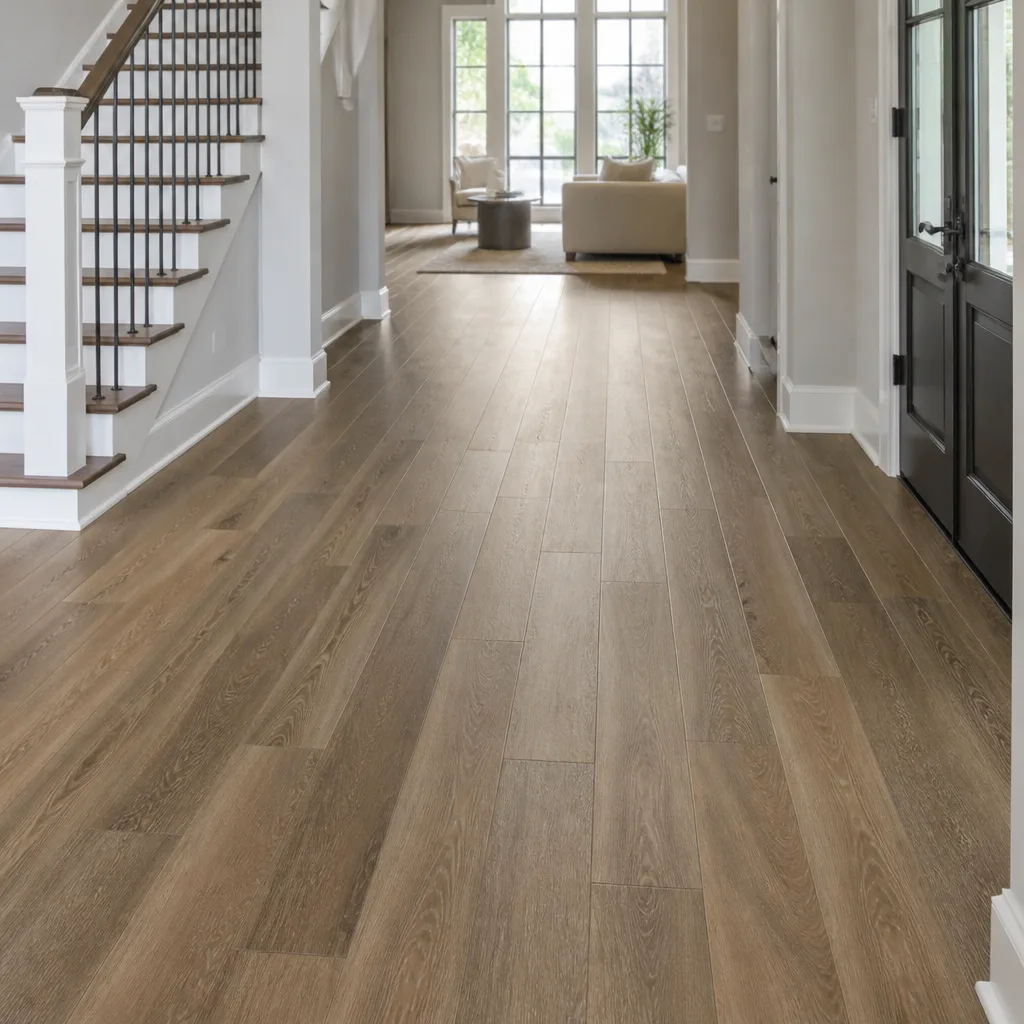 Shaw
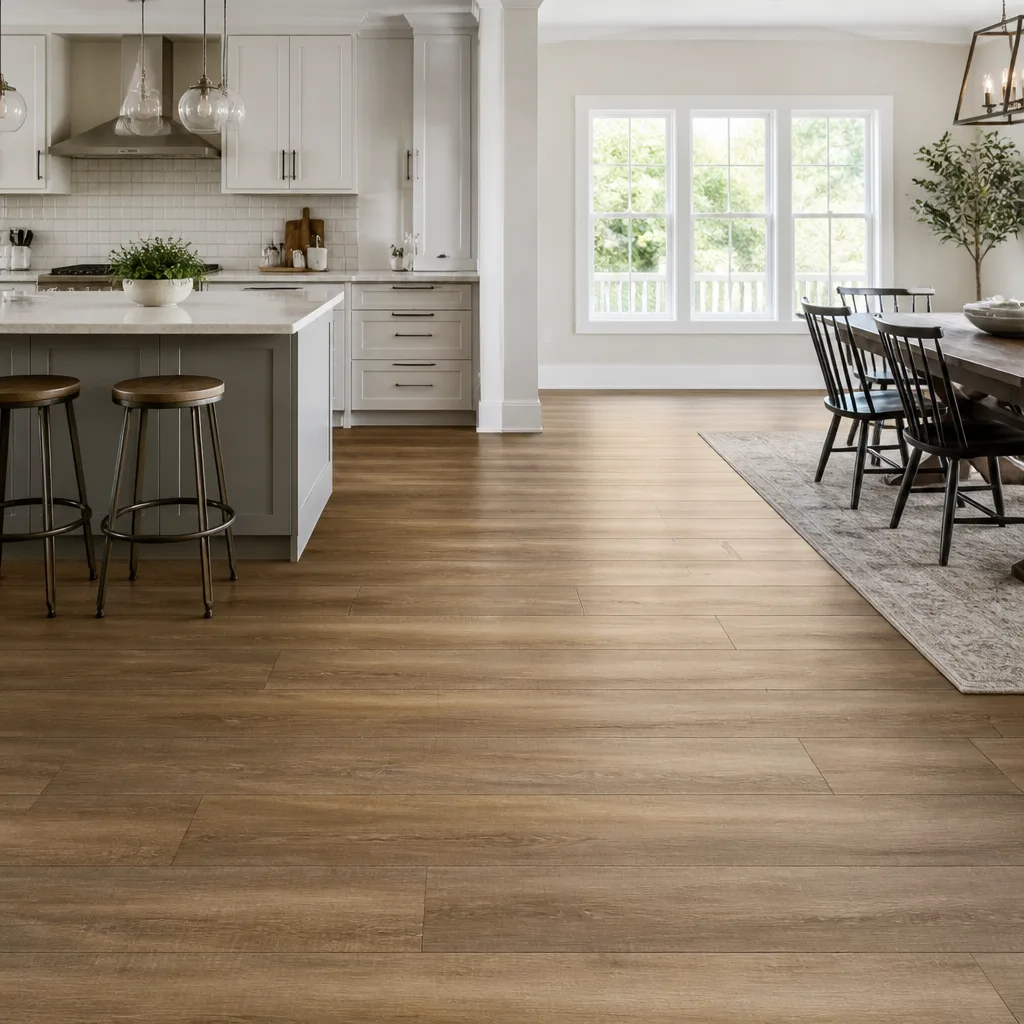 Mohawk
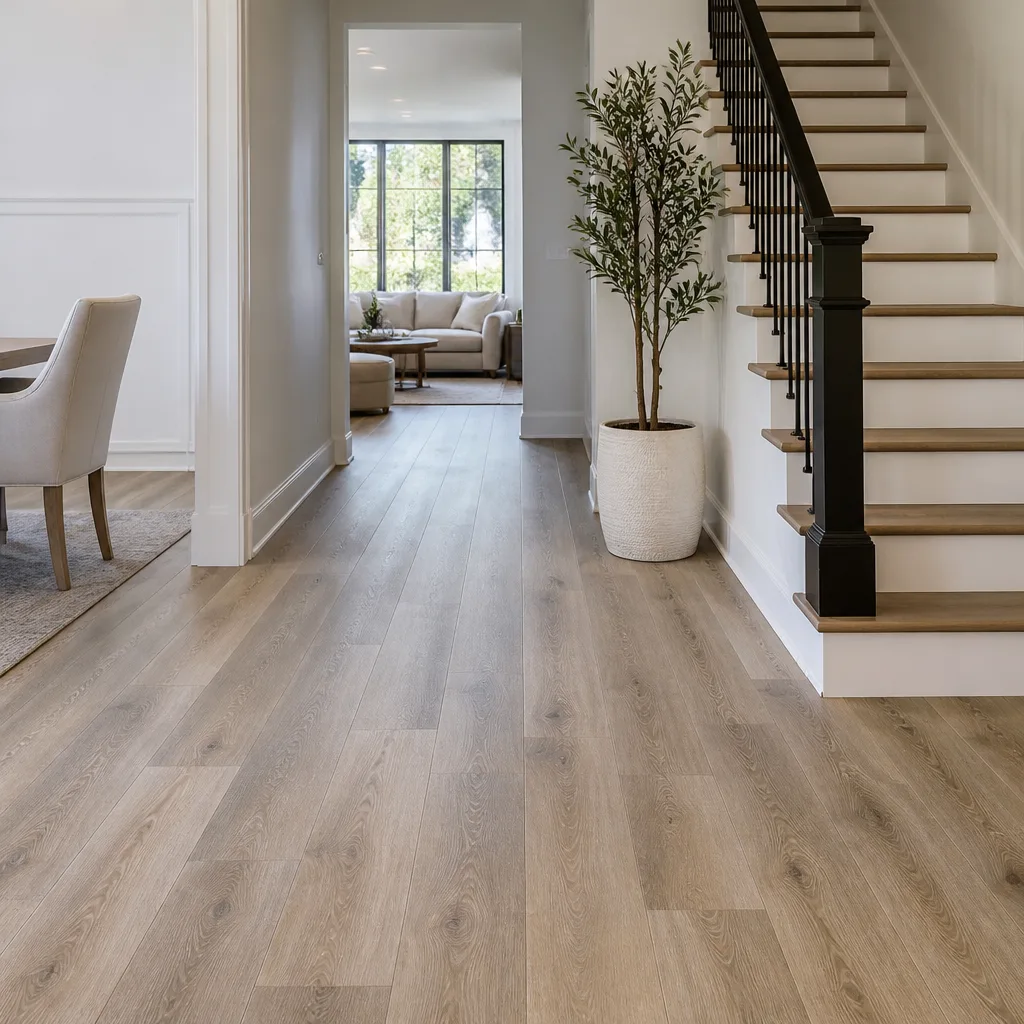 COREtec
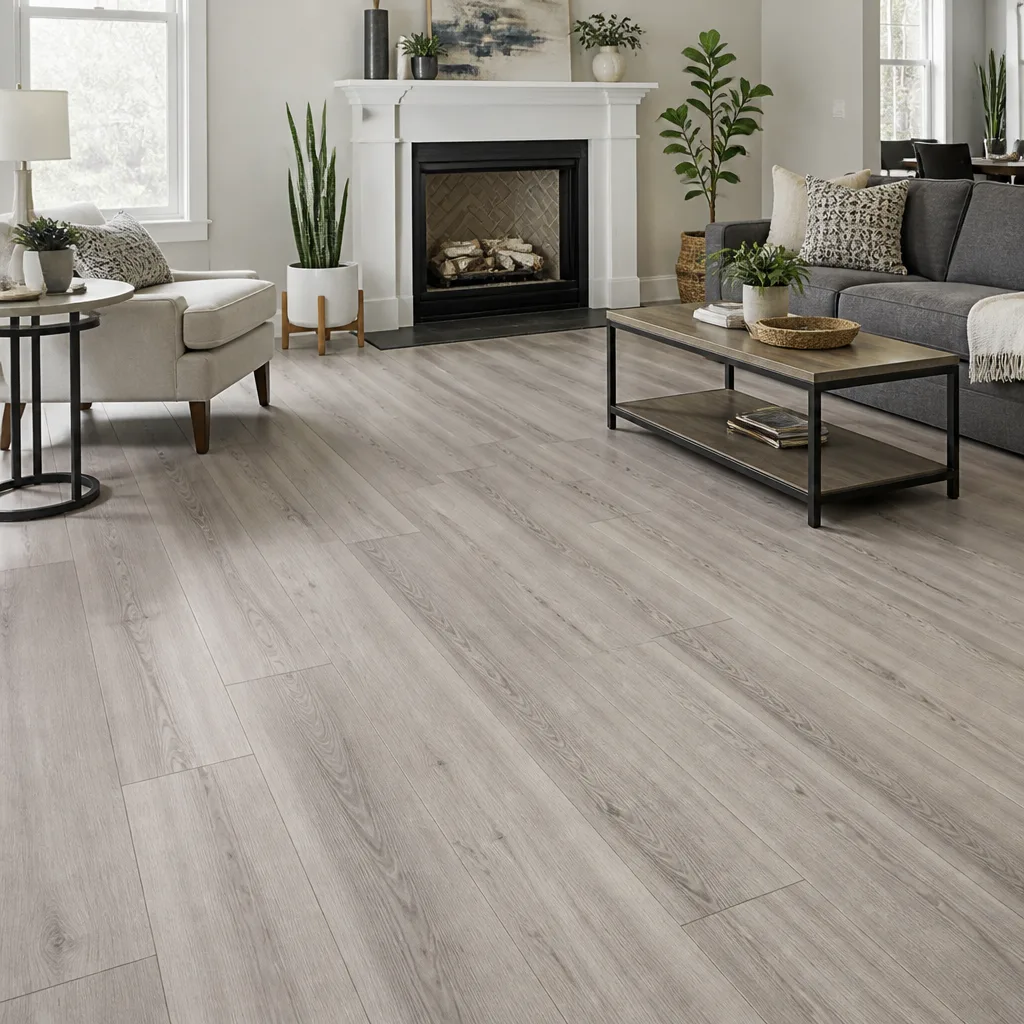 Pergo
Free in-home measure and written estimate: Shaw, Mohawk, COREtec and Pergo lines compared on your own rooms, with carpet, tile, vinyl plank, laminate and hardwood laid out side by side
Get your free estimateWhat Happens at a Free In-Home Flooring Estimate in Las Vegas
Most homeowners think of a flooring estimate as a formality – a number you get before the real work begins. It isn’t. The estimate visit is where a project is either built properly or set up to go wrong later. A qualified estimator in Las Vegas spends 45 to 90 minutes on site with a moisture meter, a tape measure, and pointed questions about your home’s air and traffic patterns. If a quote shows up in 15 minutes, your subfloor was never actually evaluated. This guide walks through what a thorough in-home estimate looks like from the inside: what gets measured, what gets tested, the questions worth asking while the estimator is still standing in your kitchen, and how to compare two bids without getting fooled by a low number. You’ll also know exactly what to have ready before the visit so the time gets used well.
Quick Answer
A free in-home flooring estimate in Las Vegas is a 45 to 90 minute on-site inspection where a qualified estimator measures each room, checks subfloor type and moisture, reviews existing floor thickness and transitions, and asks about your household and timeline. The visit ends with material recommendations and a written price. Nothing is measured over the phone – the visit is what makes the quote accurate.
Styles & brands we work with
- Hardwood
- Engineered hardwood
- Luxury vinyl plank
- Laminate
- Porcelain tile
- Carpet
- Shaw
- Mohawk
- COREtec
- Pergo
Table of Contents
- What actually happens during the visit
- What the estimator physically checks in your home
- Questions to ask during the estimate
- Why in-home estimates beat showroom and phone quotes
- What to have ready before the estimator arrives
- How to compare two in-home estimates fairly
- Common mistakes to avoid
- When to call a professional
What Actually Happens During the Visit
The visit follows a predictable sequence, and knowing the sequence lets you watch whether it’s being followed. A proper estimate in Las Vegas moves through six stages, usually in this order:
- Walkthrough and conversation. The estimator looks at every room you’re planning to change and asks what’s under the current floor, what bothers you about it, and who lives in the house. Pets, kids, a home office, a bathroom that stays humid – each changes the recommendation.
- Measurements. Room dimensions get measured room by room, with doorways, closets, and angles noted separately. This is the raw material of the quote.
- Subfloor check. The estimator looks at or through the existing floor to determine what’s underneath – typically a concrete slab in Las Vegas homes, occasionally a wood subfloor in older or second-story construction – and notes its condition.
- Moisture reading. A moisture meter goes against the slab or subfloor. We’ve seen plenty of quotes in this city skip this step entirely, which is exactly the step that determines whether a floating floor will cup within the first year.
- Material discussion. Given the room, the household, and the budget, the estimator talks through options. This is where brands like COREtec or Pergo come up naturally, based on the room’s demands rather than a product catalog.
- Written quote or follow-up. The estimator either writes the price on site or sends it within a defined window. Either way, the price should be itemized, not a single lump sum.
If any of those stages gets skipped, the resulting number is a guess dressed up as a bid. That matters more in Las Vegas than in most cities because so much of the housing stock sits on concrete slab, and slab behaves differently from a wood subfloor under a floating floor.
What the Estimator Physically Checks in Your Home
A qualified estimator checks five things during a Las Vegas in-home estimate: subfloor type and condition, moisture readings, existing floor condition and thickness, transition points, and natural light direction. Each one shapes the final recommendation and the price. Here’s what each check is for:
- Subfloor type and condition. Most single-story Las Vegas homes are built on slab. The estimator wants to know whether it’s clean, flat, cracked, or patched. Slab flatness affects what can go on top and whether prep work is needed.
- Moisture readings. A moisture meter placed against the slab or subfloor tells the estimator whether moisture is coming up from below. This is the single most common reason a floor installation underperforms, and it’s completely invisible without a meter.
- Existing floor condition. The estimator measures existing tile thickness (tile removal can add real labor), checks whether existing wood can be refinished rather than replaced, and notes any soft spots or loose edges.
- Transition points. Doorways between rooms, thresholds to bathrooms, and where the new floor meets carpet or tile in an adjacent room. Every transition is a separate line item on a good bid.
- Natural light direction. Which windows face the afternoon sun affects how wood grain and tile patterns read in the finished room. The estimator can line a plank sample up in the actual light to confirm the direction and tone before the order gets placed.
Beyond these, a serious estimator also asks about HVAC habits – how consistently the air in the house is conditioned, particularly in summer when Las Vegas afternoons push well past 100 degrees. Extreme day-night temperature swings and long stretches with the system off change how a floor behaves, especially in a room with large west-facing windows.
Questions to Ask During the Estimate
Ask five questions during a Las Vegas in-home flooring estimate: what’s under my current floor, what is the moisture reading, which transitions need extra work, what’s excluded from this quote, and what’s the schedule from order to install. The answers reveal whether you’re dealing with an experienced estimator or a script. Below are the questions, and what real expertise sounds like in the answers.
“What’s under my existing floor, and how do you know?”
A skilled estimator gives you a specific answer – slab, wood subfloor, or unknown – and explains how they determined it. If they say “we’ll find out when we pull it up,” that’s not necessarily a red flag, but it should be reflected as a contingency in the written quote.
“What moisture reading are you getting on the slab?”
An experienced estimator reads the meter out loud and tells you whether it’s in a workable range for your chosen product. An estimator who waves the meter around and says “looks fine” is not reading it. Product installation requirements set by the manufacturer determine the acceptable range, not the estimator’s judgment.
“Which transitions will need extra work, and is that in the price?”
Count the transitions the estimator identifies. If you have four rooms and three doorways, a bid that mentions no transition work is a bid that will grow later.
“What’s not included in this number?”
Furniture moving, tile removal, baseboard removal and replacement, floor prep, and disposal of the old floor are common exclusions. Ask directly. The written estimate should list exclusions as clearly as inclusions.
“What’s the sequence from here – order, scheduling, install day?”
The answer should describe a real sequence: material selection, order and delivery to the home, a scheduled install day, and completion. If the answer is vague or the estimator hedges, that’s a sign the office end of the operation isn’t well run.
Why In-Home Estimates Beat Showroom and Phone Quotes
An in-home estimate produces a more accurate Las Vegas quote than a showroom or phone quote because the factors that change the price – slab variation, existing tile thickness, room transitions, and access – only show up on site. Phone quotes are based on square footage alone. Showroom quotes are based on square footage plus whatever the customer describes. Neither accounts for the surprises.
Slab variation is the biggest reason. Las Vegas concrete slabs are poured differently home to home, and older neighborhoods in particular can have subtle grade changes between rooms. A flatness issue that takes an hour to prep isn’t visible from a tape measure at a sales desk.
Existing tile thickness is the second. A home with 12-inch porcelain tile may need a different removal and prep approach than a home with thin vinyl. If the estimate was made over the phone, that difference isn’t priced in.
Room transitions are the third. A phone quote based on total square footage completely misses doorways, thresholds, and the labor to fit each one. In a typical Las Vegas home, transitions can account for a meaningful share of the final number.
Finally, in-home estimates let the estimator match the floor to the room. A high-moisture bathroom, a sun-blasted west-facing living room, and a carpeted bedroom with heavy foot traffic all call for different products. COREtec and LifeProof come up often in the moisture-prone rooms; Pergo frequently lands in the mid-range family room; a strip of Mohawk carpet in a bedroom rounds out the plan. That kind of matching requires seeing the rooms, not just the room count. It also explains why the written estimate is what sets the final price – the visit is where the price is actually built.
What to Have Ready Before the Estimator Arrives
Have four things ready before a Las Vegas in-home flooring estimate: a rough sketch of your floor plan with square footage, photos of any problem areas, a shortlist of materials or brands you’re considering, and your realistic timeline for starting and finishing. Preparing these turns a 90-minute visit into a focused working session instead of a discovery tour.
- A rough floor plan sketch. Hand-drawn is fine. Note each room’s approximate length and width. The estimator will measure precisely, but having a sketch ready means they can organize the walkthrough against your plan rather than starting from scratch.
- Photos of problem areas. Any cracked tile, water stain, soft spot, or failed seam you know about. Photos help your estimator plan the visit and identify what tools to bring – and they prevent surprises.
- A shortlist of materials. Even a loose one. If you’re considering LifeProof in a bathroom and Pergo in a family room, say so at the start. The estimator can then talk through whether the environment matches the material before you get attached to a direction that won’t hold up.
- Your timeline. A realistic start date and target finish. Flooring is a scheduled job – a free in-home measure and estimate, then a written price, then a booked install day. If your timeline is aggressive, say so, and expect a straight answer about whether it’s possible rather than a promise.
One more thing worth knowing for Las Vegas homeowners: the right estimator will ask about your HVAC habits and how the house is conditioned in summer. If you know your cooling routine and any rooms that run hot, mention it. It saves a follow-up and helps the estimator choose the product for the actual home, not the average home.
How to Compare Two In-Home Estimates Fairly
Compare two Las Vegas in-home flooring estimates by matching line items, not bottom-line totals. A lower number built from missing labor is a higher price later. A higher number built from itemized scope is often the cheaper job in the end.
Line items to look for
- Material, itemized by room or product. Not a single “materials” line.
- Demo and haul-away. Removal of existing flooring and disposal.
- Floor prep. Slab flattening, patching, and any moisture mitigation.
- Transitions and trim. Doorway thresholds and baseboard handling.
- Labor separated from material. You should be able to see what you’re paying for the floor and what you’re paying for the crew.
- Exclusions stated explicitly. Furniture moving, appliance moving, and anything else the crew won’t touch.
- Schedule and completion language. What happens if materials are delayed.
What a vague lump-sum tells you
A single round number with no line items tells you the estimator hasn’t done the work to build the bid. It also gives you no way to compare it against any other bid. If only one of two bids is itemized, the itemized one is the one you can actually evaluate.
When the higher bid is the lower-risk choice
The higher bid is the safer choice when it includes prep work the lower bid omits, when it itemizes transitions the lower bid skips, or when it prices moisture mitigation the lower bid ignores. In Las Vegas, a bid that skips the moisture question is worth less than nothing – it’s a quote that will either fail or grow. Trust the number that reflects the actual work.
Common Mistakes to Avoid
- Accepting a phone quote as a real price. A number quoted over the phone from a square-footage figure ignores subfloor, transitions, and condition. It isn’t a bid – it’s an opening position. Ask for the in-home visit before committing.
- Letting the estimator skip the moisture meter. In Las Vegas’s concrete-slab homes, moisture is the invisible variable that fails floors. If the meter doesn’t come out of the bag, the visit is incomplete.
- Not asking what’s excluded from the quote. The number is only the number if you understand what it doesn’t cover. Furniture moving, tile removal, and disposal are the usual gaps.
- Choosing material before the estimator sees the room. A premium luxury vinyl that’s a great fit for a hallway may not be right for a sun-blasted living room. The room’s demands should drive the product choice, not the other way around.
- Skipping the natural light check. Wood grain and tile patterns read differently in direct afternoon sun. Line up a sample in the actual room light during the visit before the order goes in.
- Comparing bottom lines instead of line items. The lowest total is often the highest eventual price. Compare scope, not the summary number.
- Not asking about timeline and install-day sequence. A quote that doesn’t describe what happens after you sign is a quote from an operation you haven’t seen yet. Ask how the day is planned and what the completion expectation is.
When to Call a Professional
Call for an in-home estimate when you’re planning a single-room update and want to know whether the existing floor needs replacing or can be refinished, when you’re replacing carpet in a high-traffic room and want to match the new floor to the adjoining hard surface, when you’re considering tile in a bathroom or entryway and need to know what the subfloor will support, or when you’re weighing new installation against hardwood refinishing. Also call when you’re managing a rental property and need a floor replaced between tenants – the timeline matters and the number needs to be accurate up front.
Flooring Installation Las Vegas offers free estimates in Las Vegas for carpet, tile, and hardwood refinishing projects. Call (888) 294-5867 to schedule yours. For background on what the full installation side of the process looks like, see flooring installation Las Vegas. If your project centers on soft flooring, the carpet installation page covers what to expect. If you’re laying tile, tile flooring installation walks through the room-by-room considerations. And if you want to understand how the local climate and neighborhood patterns affect which floors work well in which part of town, the Las Vegas page has the local context.
See the difference
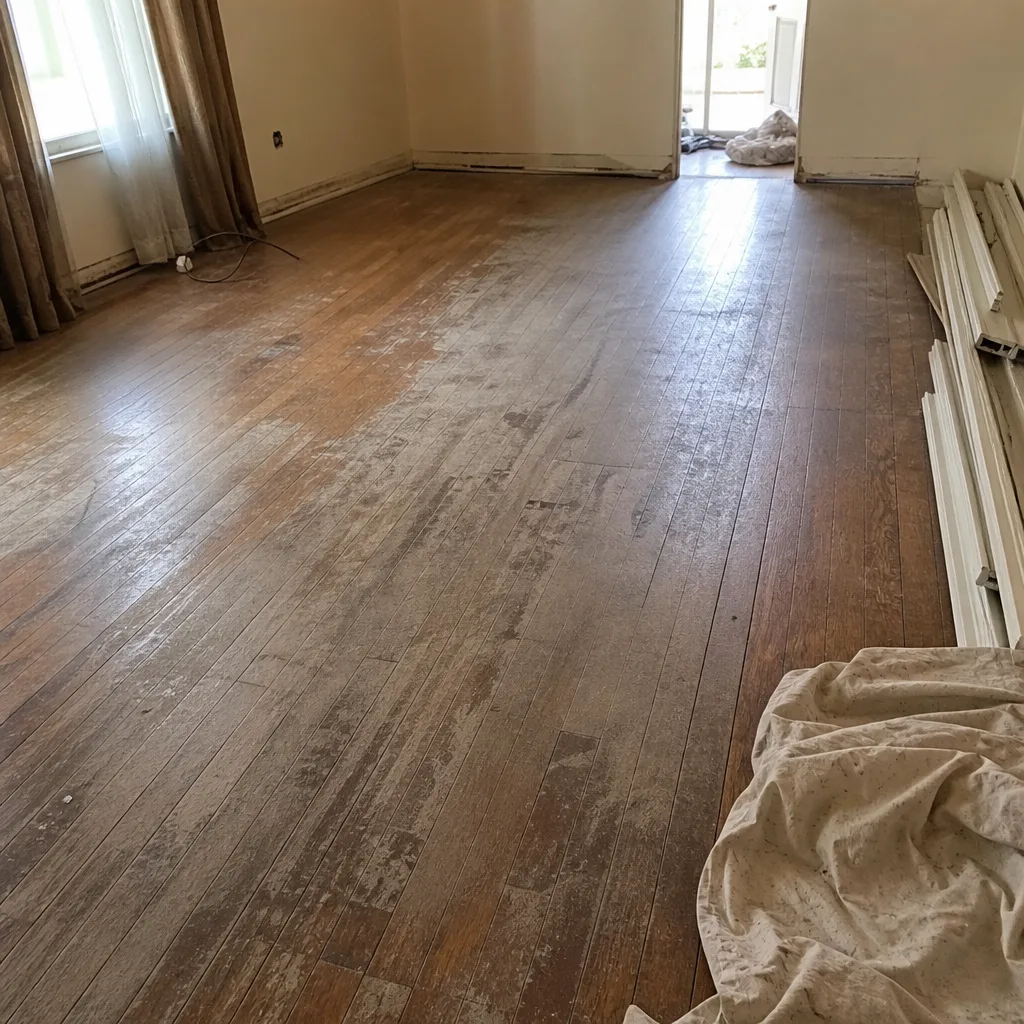 Before
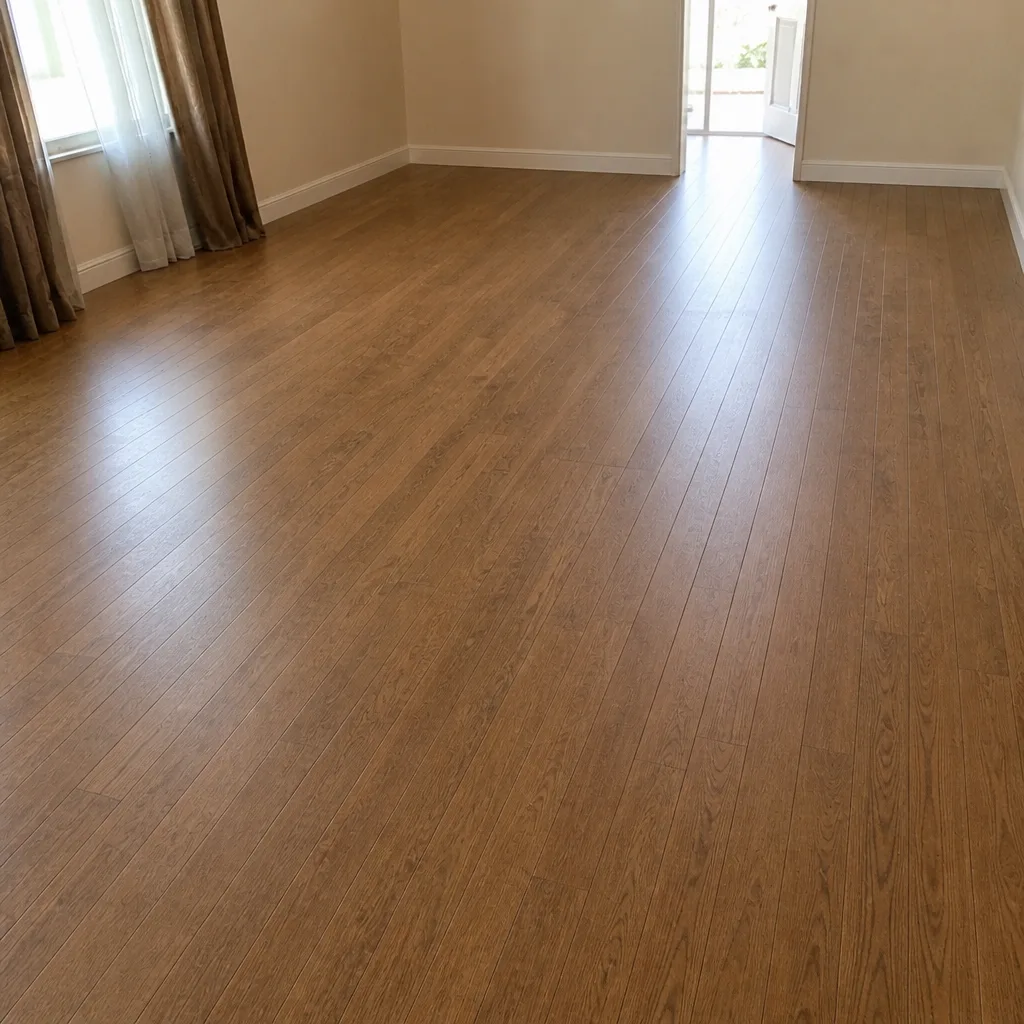 After
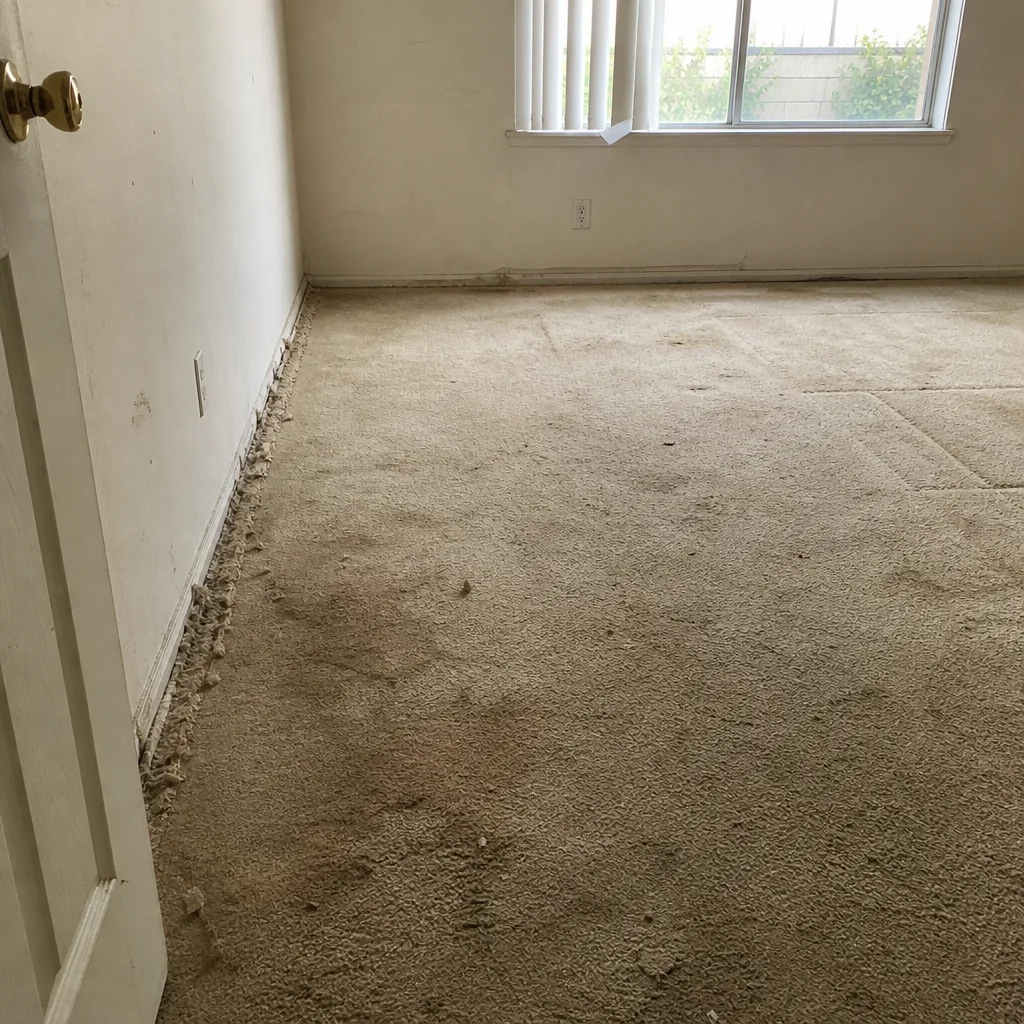 Before
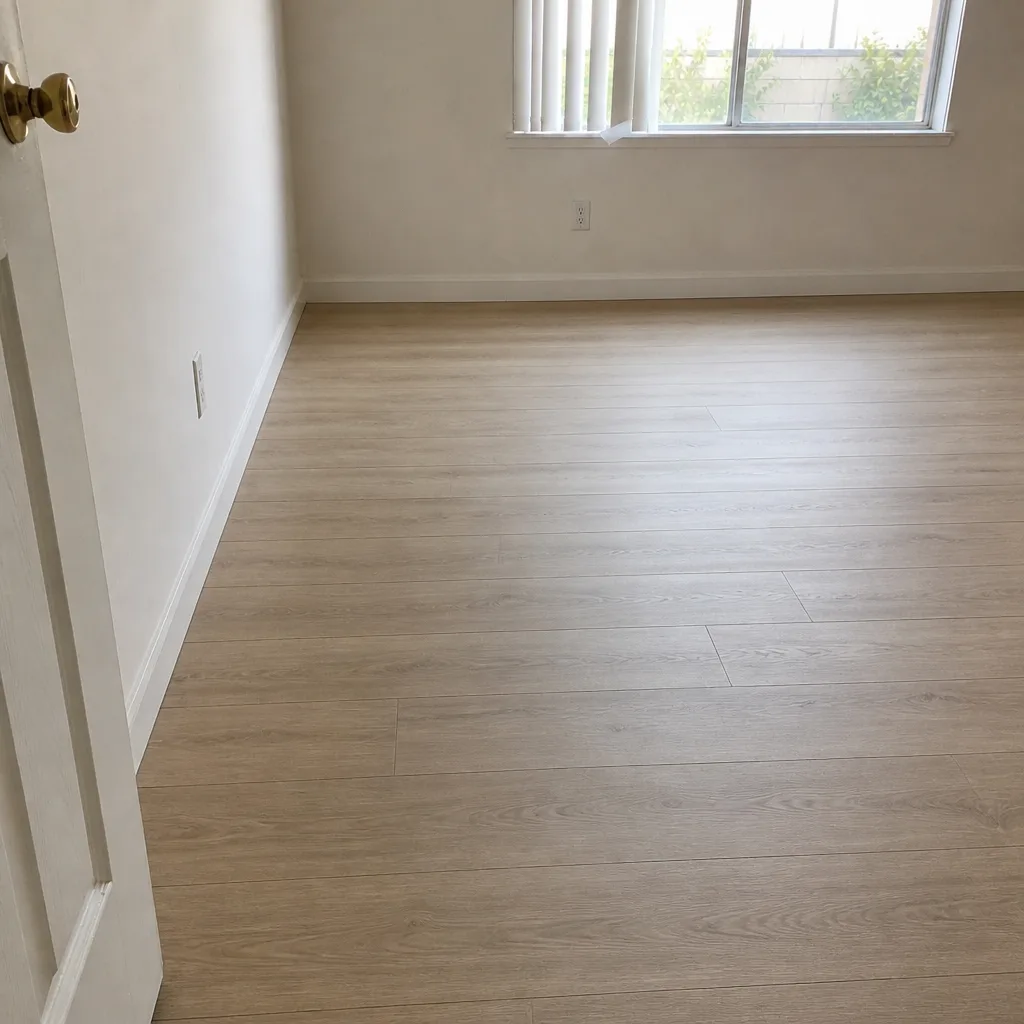 After
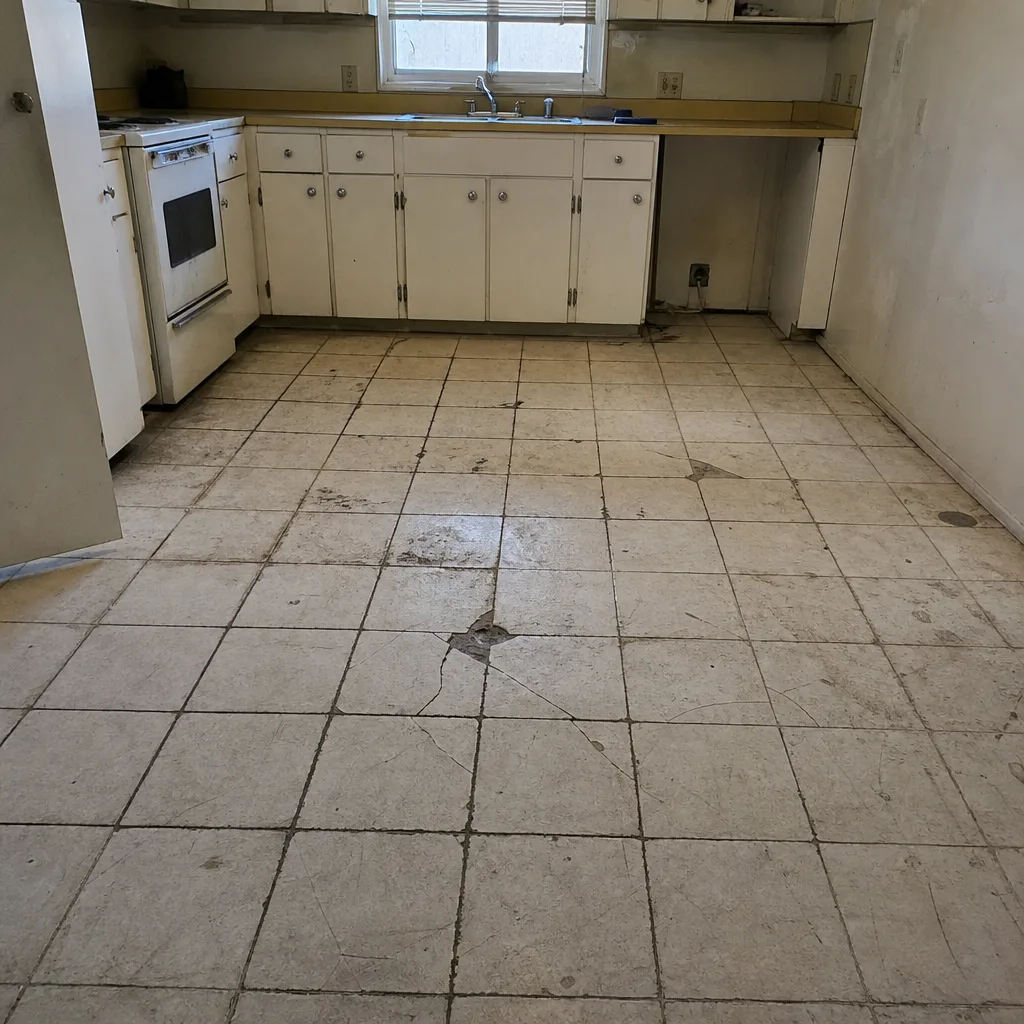 Before
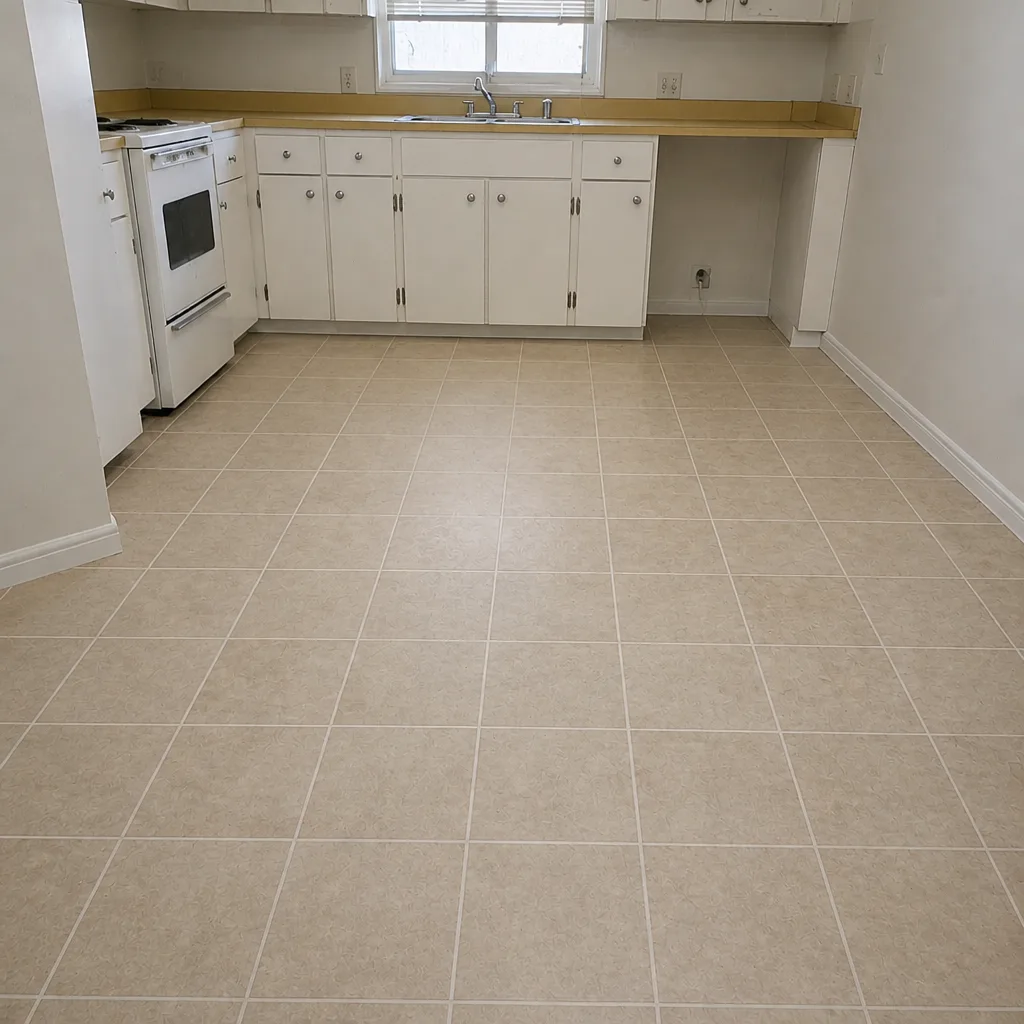 After
Frequently Asked Questions
A free flooring estimate in Las Vegas typically takes 45 to 90 minutes, depending on the number of rooms and the condition of the existing floor. Larger homes or projects involving tile removal can run longer. If a quote is produced in 15 minutes with no measurements or moisture reading, it isn’t an estimate – it’s a placeholder. Call (888) 294-5867 to schedule a proper visit; estimates are free and there’s no obligation to book.
Yes, the in-home estimate is free, with no obligation to move forward. The written quote you receive at the end of the visit is yours to take to any other bidder for comparison, and the final price is set by that written estimate. Call (888) 294-5867 for an exact quote; estimates are free.
It helps to have a rough floor plan sketch, photos of any problem areas, a shortlist of materials you’re considering, and your target timeline ready before the visit. Nothing is mandatory; the estimator can start from zero if needed. But preparation makes the visit sharper and the resulting quote more precise. Call (888) 294-5867 to schedule the visit.
Most Las Vegas single-story homes are built on a concrete slab, and moisture rising through slab can affect how flooring performs. A moisture meter reading tells the estimator whether a given product is suitable for that slab and whether mitigation is needed. The exact acceptable range depends on the product’s installation requirements, not a general rule. Call (888) 294-5867 for a free in-home estimate and moisture check.
Yes, and you should. The in-home estimate is the right setting to compare brands like COREtec, Pergo, Mohawk, or LifeProof based on the room, moisture exposure, foot traffic, and household. Bringing a shortlist lets the estimator match products to rooms rather than the other way around. Call (888) 294-5867 to schedule an estimate where you can see the options in context.
The timing depends on material availability, order lead time, and the schedule you and the estimator agree on at the visit. Installation is a booked job – material order first, then a scheduled install day – not a same-day arrangement. The written estimate and the schedule discussion at the visit are what set the actual dates. Call (888) 294-5867 to schedule the estimate and start the conversation.
The Bottom Line
A free in-home flooring estimate is worth the 45 to 90 minutes because it’s the step that turns a rough number into a real price. The estimator should measure each room, test the slab with a moisture meter, check existing floor thickness and transitions, look at the natural light, and ask about your household and HVAC habits. Ask the five questions, prepare four things before the visit, and compare itemized line items rather than bottom lines. In Las Vegas’s slab-based housing stock, the difference between a real bid and a placeholder quote becomes obvious within the first year on the floor. Flooring Installation Las Vegas offers free in-home estimates for carpet, tile, and hardwood refinishing projects. Call (888) 294-5867. We answer 24/7. Fast dispatch from 7am to 7pm, Sunday through Friday.
Written by the team at Flooring Installation Las Vegas.