
Last updated November 18, 2026
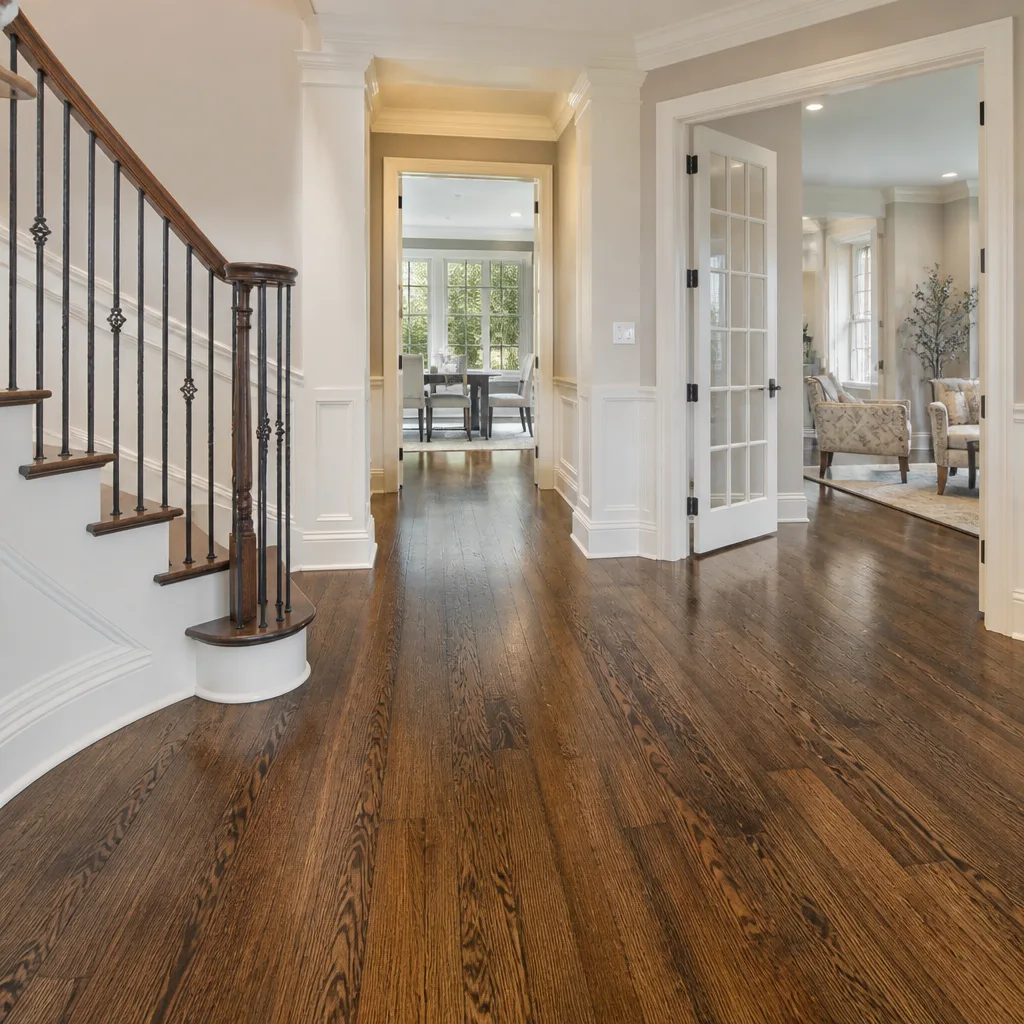 Hardwood
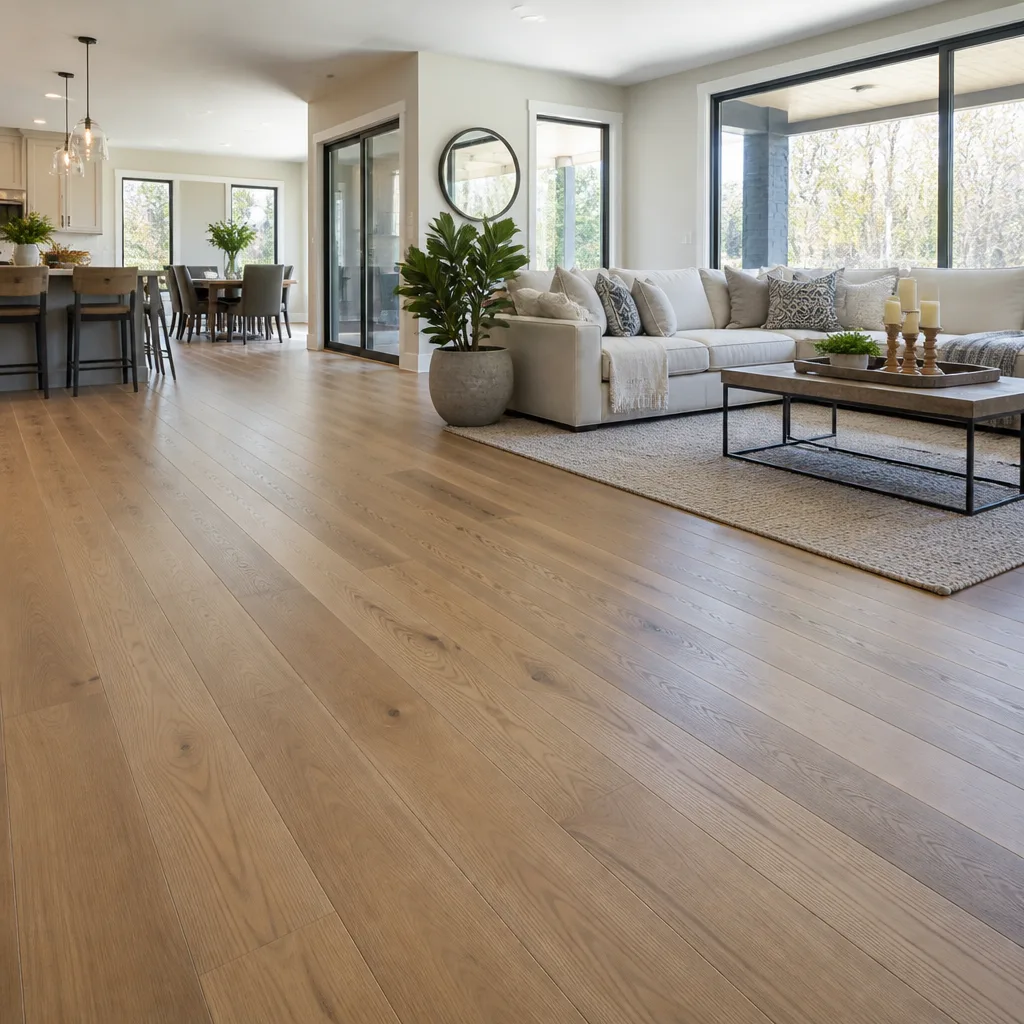 Engineered hardwood
 Luxury vinyl plank
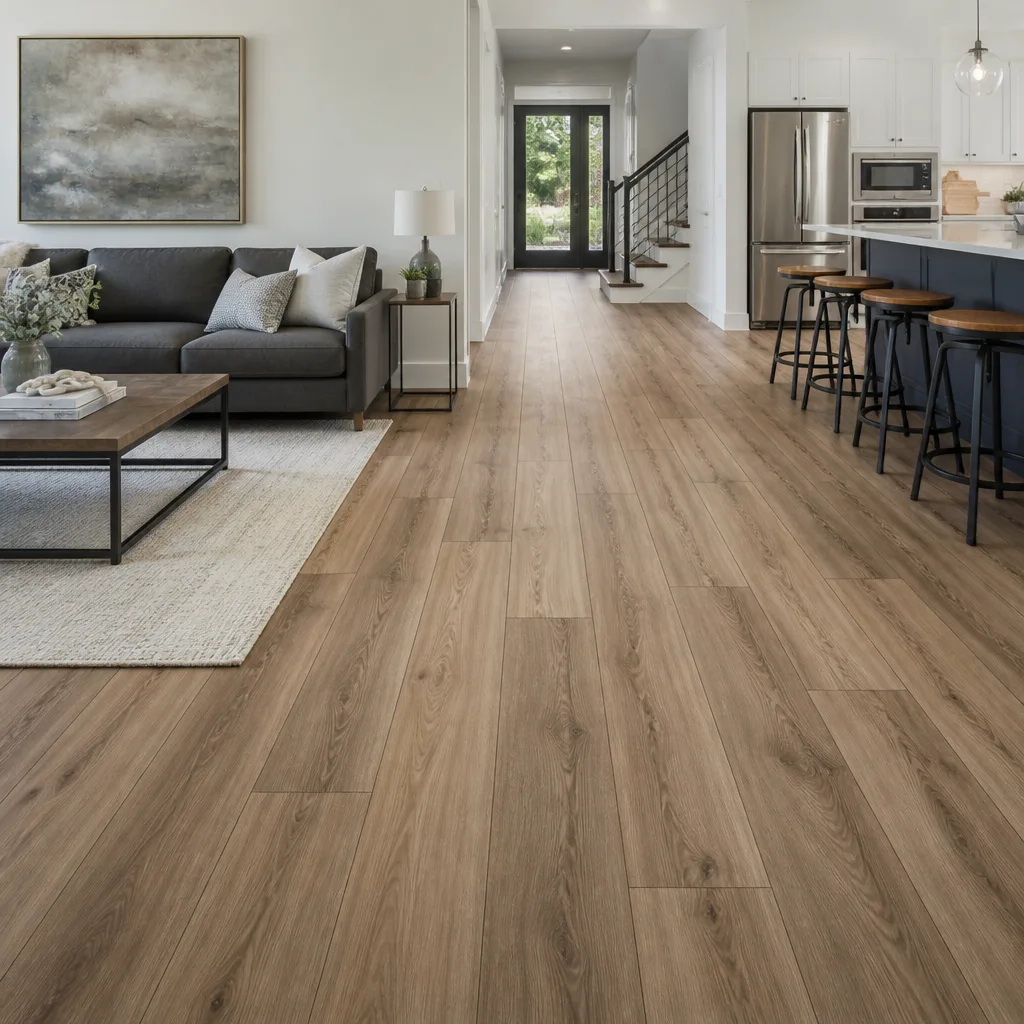 Laminate
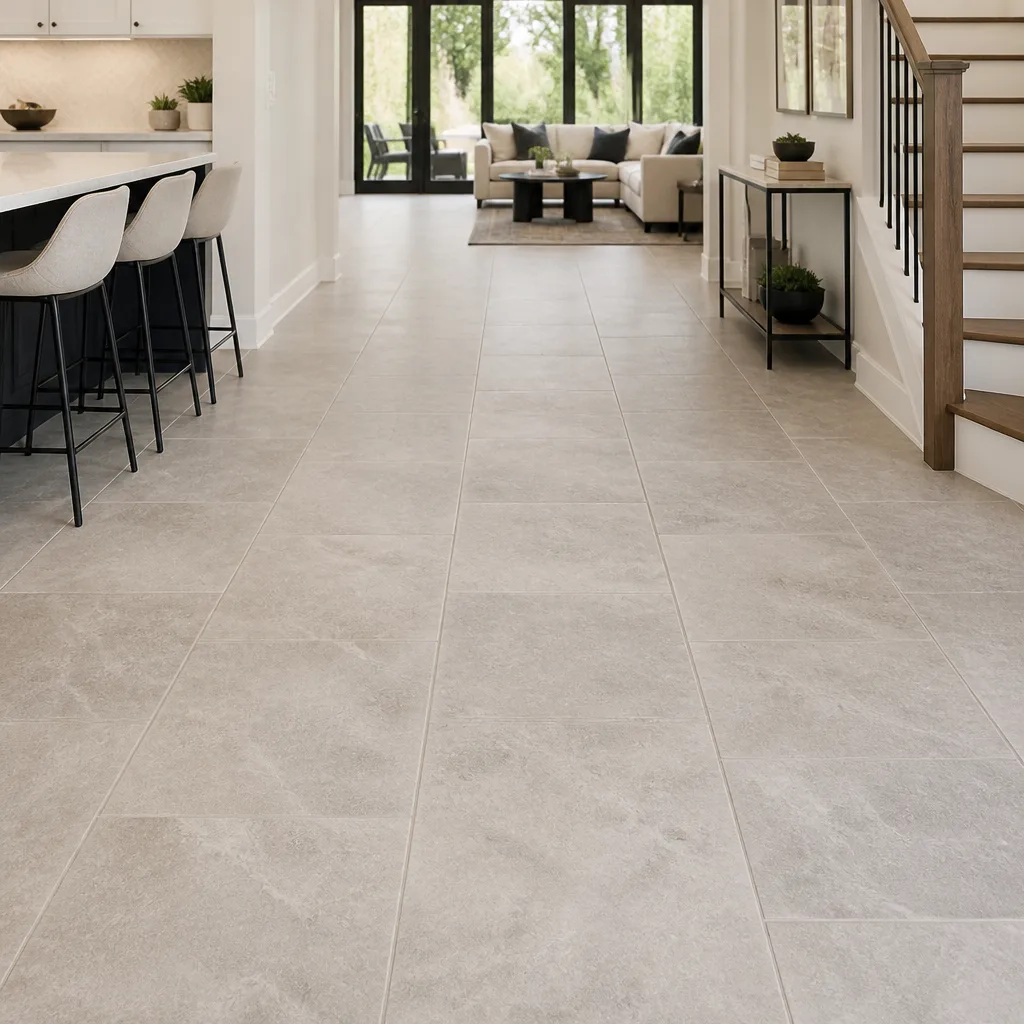 Porcelain tile
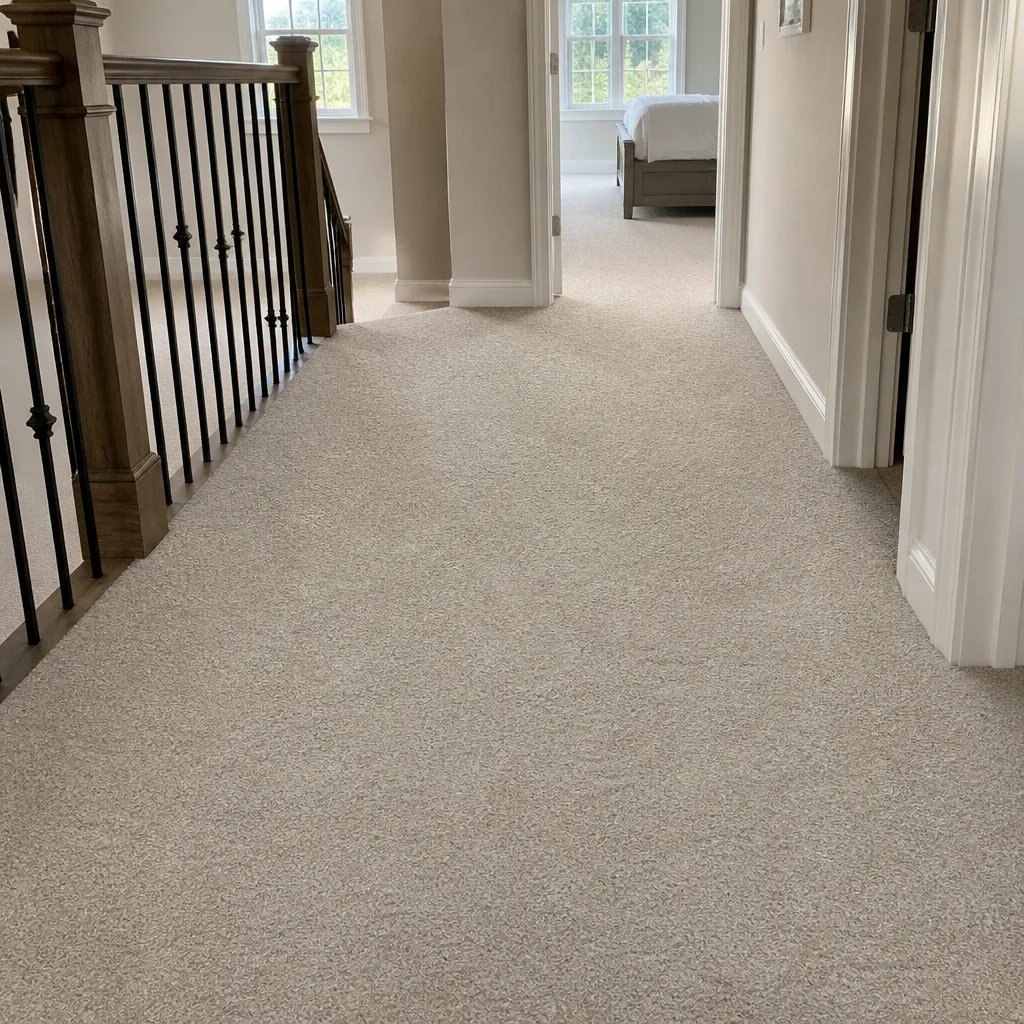 Carpet
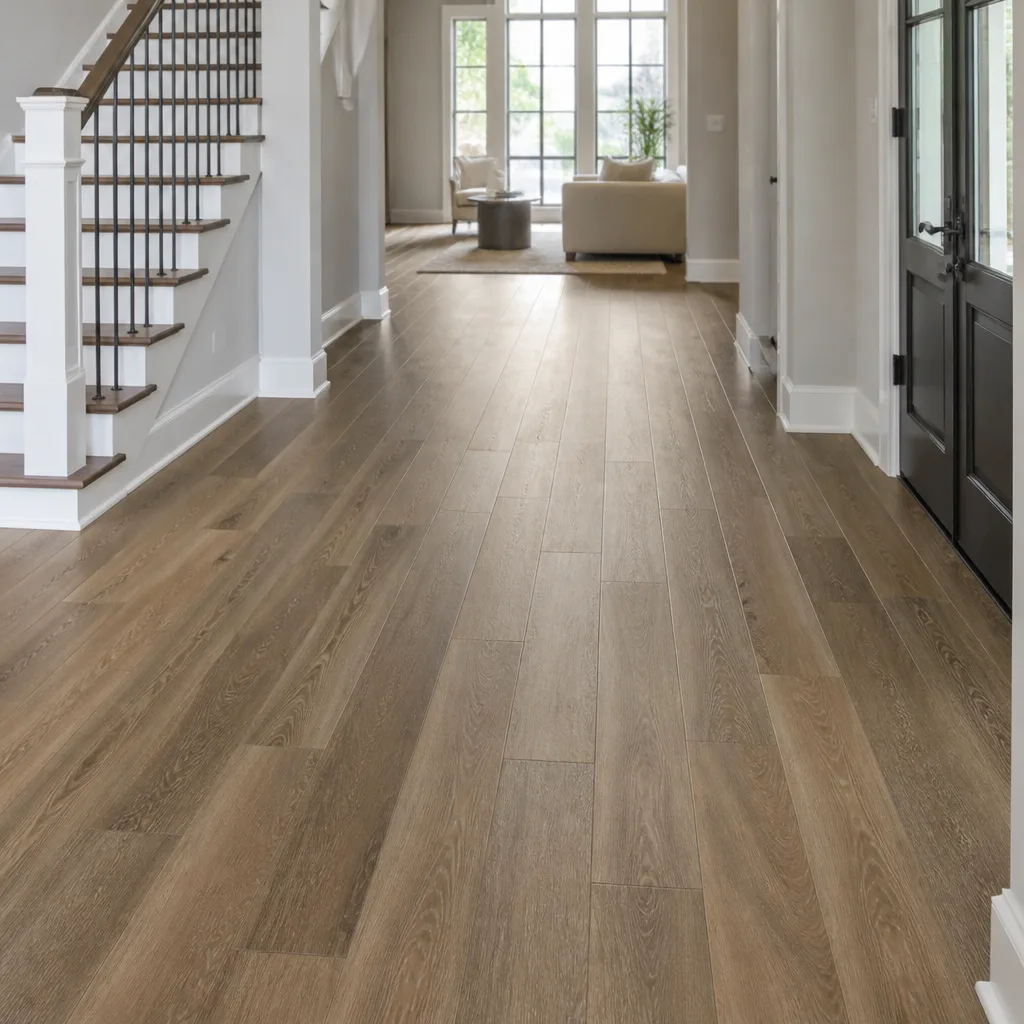 Shaw
 Mohawk
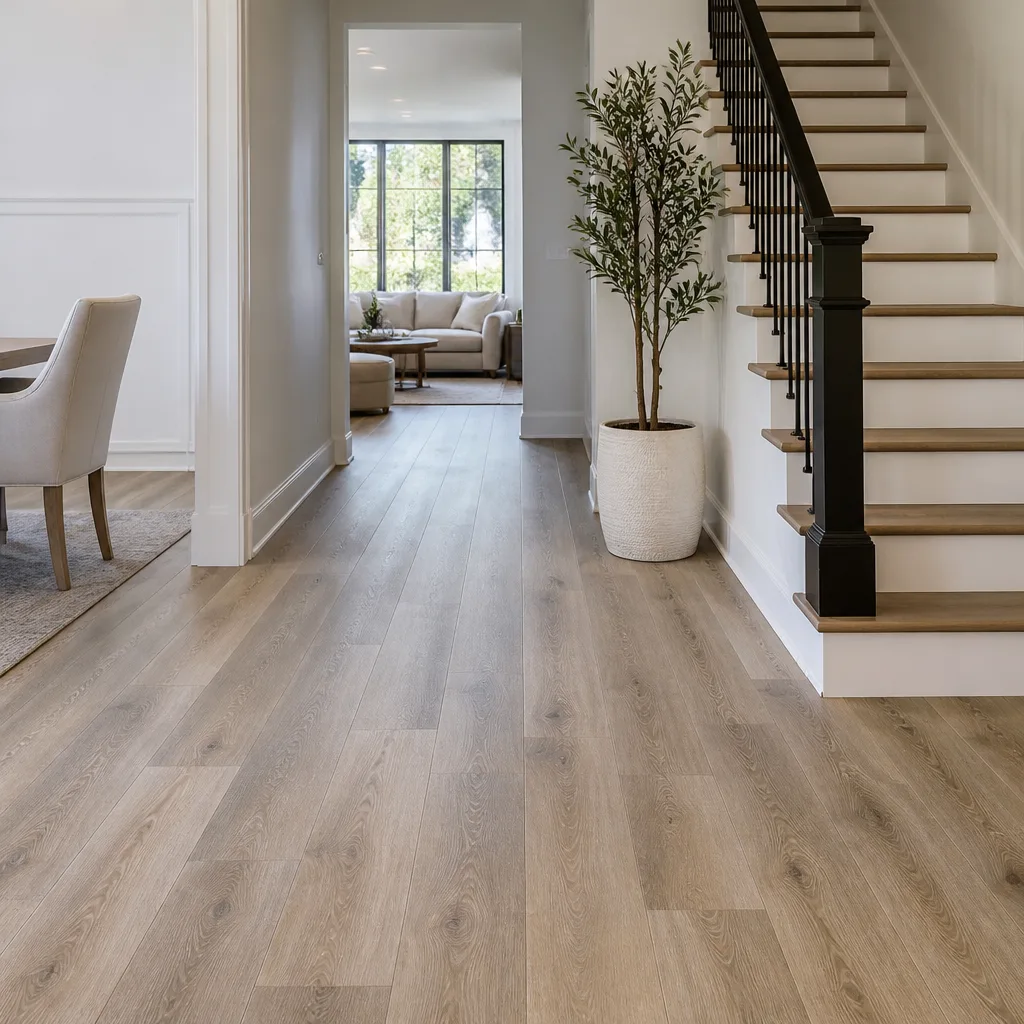 COREtec
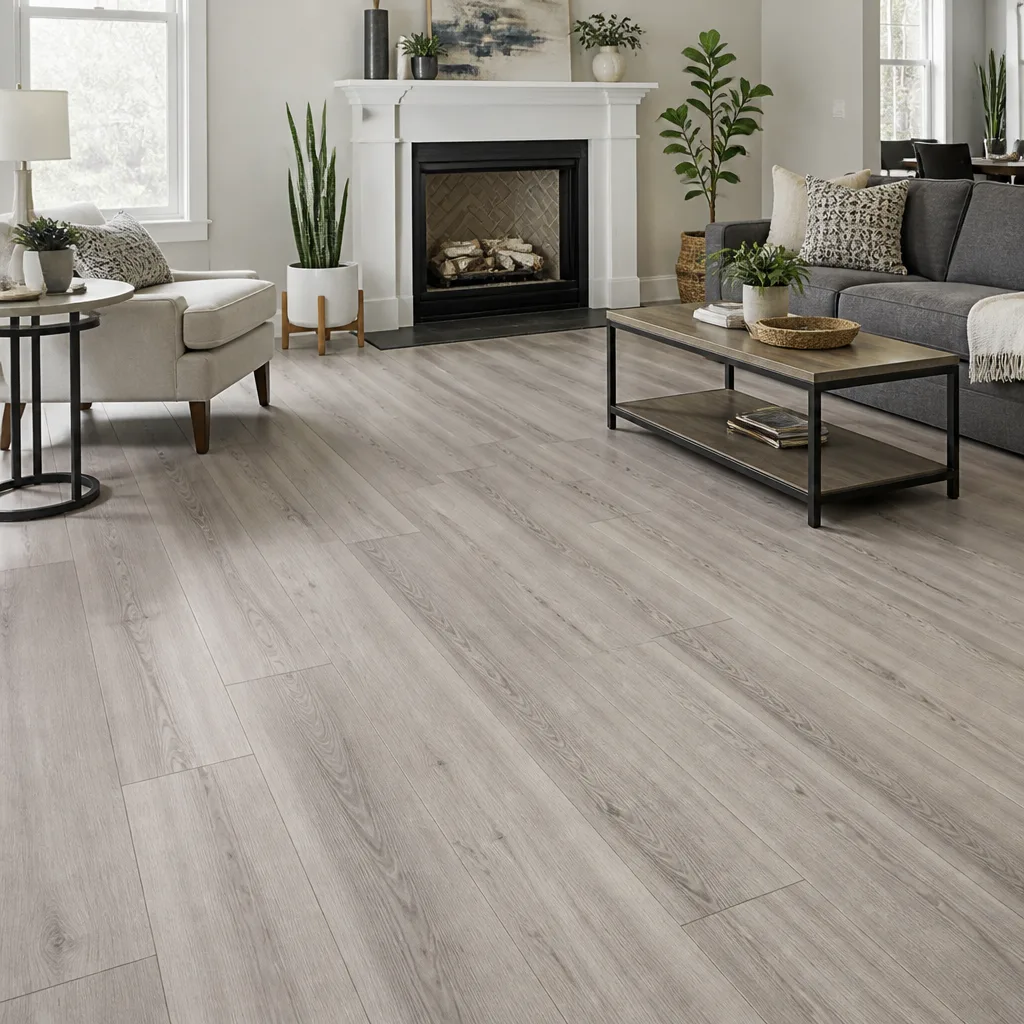 Pergo
Free in-home measure and written estimate: Shaw, Mohawk, COREtec and Pergo lines compared on your own rooms, with carpet, tile, vinyl plank, laminate and hardwood laid out side by side
Get your free estimateHow to Hire a Flooring Contractor in Las Vegas: A Step-by-Step Guide
Most flooring guides tell you to get three bids and check references. That advice is fine, but it misses something specific to Las Vegas. This market mixes licensed flooring specialists with unlicensed handymen who legally cannot pull permits, and no one checks credentials at your front door. Unlicensed work is common, invisible while it’s happening, and becomes your problem the moment you try to sell the home. In this guide we’ll walk through exactly how to verify a contractor’s license, what to ask so you can tell a flooring specialist from a generalist, how to read bids honestly, and which red flags matter most in desert conditions. You’ll finish knowing how to protect both your floor and your home’s resale value.
Quick Answer
To hire a flooring contractor in Las Vegas, verify the contractor’s Nevada State Contractors Board license and classification before anyone touches your floor, confirm in writing that the quote covers subfloor prep, moisture testing on concrete slabs, and acclimation, and compare bids only after normalizing them line by line. A legitimate contract names the scope, demo terms, cleanup, and the manufacturer warranty compliance language for whatever product you choose. Get everything in writing, because the written estimate sets the final price.
Styles & brands we work with
- Hardwood
- Engineered hardwood
- Luxury vinyl plank
- Laminate
- Porcelain tile
- Carpet
- Shaw
- Mohawk
- COREtec
- Pergo
Table of Contents
- Step 1: Verify the Contractor’s Nevada License
- Step 2: Tell a Flooring Specialist From a Generalist
- The Five Questions That Reveal Real Expertise
- Step 3: Compare Bids the Honest Way
- What a Legitimate Flooring Contract Must Include
- Desert-Specific Checks: Acclimation and Moisture
- Las Vegas Red Flags to Watch For
- Common Mistakes to Avoid
- When to Call a Professional
Step 1: Verify the Contractor’s Nevada License
Nevada requires a C-20 Finish Carpentry license for flooring installation work over a certain project threshold, and checking that license takes about two minutes through the Nevada State Contractors Board (NSCB) lookup. That check is the single most useful thing you’ll do in this whole process, and most homeowners skip it. What the license actually means is straightforward: a licensed contractor can legally pull permits, carries the bond and insurance the state requires for that classification, and has a record you can inspect. An unlicensed handyman can’t do any of that, no matter how good his references sound.
Here’s how to run the check:
- Go to the Nevada State Contractors Board website and open its license lookup tool.
- Enter the contractor’s business name or license number. Ask for the license number directly; a real contractor gives it without hesitation.
- Confirm the license status is active and the classification matches flooring or finish carpentry work. A license that’s expired, suspended, or limited to a specialty outside this scope isn’t good enough.
- Review the record for complaints, disciplinary actions, or a history of license lapses.
- Confirm the name on the license matches the name on your bid and your contract. A bid under a different business name than the license is a problem.
Why does this matter beyond legal compliance? Because flooring work that isn’t permitted or inspected can complicate a sale. Buyers’ agents and inspectors ask about unpermitted improvements, and the answer “we’re not sure who did it” costs you negotiating leverage. When you hire a licensed Las Vegas flooring contractor, you protect the resale value of the biggest asset most of us own. We build this verification step into how we work with homeowners, and we’ll always give you the number to check.
Step 2: Tell a Flooring Specialist From a Generalist
Flooring is all we do, and that focus is the difference between a smooth install and a headache. Plenty of contractors in the Las Vegas market list flooring alongside twelve other services. Some do fine work with drywall or framing and treat your floor as a side job. The problem shows up in the details that only specialists handle routinely: how the subfloor is prepped, how long the material acclimates in desert conditions, what happens when a concrete slab is holding moisture. A generalist learns those details on your floor. A specialist has already worked through them.
You can spot the difference with a few simple observations:
- Tools and material talk: A specialist discusses underlayment, subfloor flatness, and transitions naturally. A generalist stays vague.
- Brand relationships: Ask which products they work with. Our installs draw from nine name-brand lines, including Shaw, Mohawk, COREtec, Pergo, LifeProof, Mannington, Armstrong, Daltile, and Karndean. A one-size-fits-all answer about “whatever the store has” tells you something.
- Matching product to room: A specialist recommends the right floor for the room, not just the room on trend. Bathrooms, kitchens, and entryways get different guidance than a bedroom.
- Restoration questions: Ask whether they refinish hardwood. A contractor who only lays new product can’t help you restore what you already have.
Once you’ve identified a specialist, the next step is confirming it properly. We offer flooring installation Las Vegas and a full picture of the work in one place, but any contractor you interview should be able to answer the questions in the next section clearly.
The Five Questions That Reveal Real Expertise
Ask these five questions before you sign anything. Their answers separate a specialist from someone who treats flooring as one of a dozen services, and each one points to a specific part of the job that can go wrong.
- “How will you prep my subfloor, and what will that cost?” Preparation is the step that determines how the finished floor performs. A serious answer includes how the subfloor will be checked, what repair triggers an added charge, and roughly what that charge looks like. If the answer is “we’ll just lay it,” walk away.
- “How long will the material sit in my home before installation?” Acclimation lets flooring adjust to the temperature and humidity where it’s going to live. In Las Vegas’s dry conditions this step isn’t optional; a contractor who skips it is rushing.
- “Will you test the concrete for moisture before installing?” Many Las Vegas homes are built on slab, and moisture in concrete is a real factor. Ask directly whether a moisture test is part of the job. If the answer is no or vague, that’s your signal.
- “What does the manufacturer’s warranty require for installation?” Product warranties typically hinge on installation being done per manufacturer instructions. Ask whether the contractor will document what the product requires and follow it. This is where warranty compliance language belongs in your contract.
- “Who’s doing the installation, and where’s your license number?” If a subcontractor or a crew you’ve never met shows up, you still need to know the licensed company behind the work. Ask before the paperwork, then run the NSCB check from Step 1.
These are the same questions we’re happy to answer at every estimate, and they’re the ones a contractor who genuinely specializes will answer without flinching.
Step 3: Compare Bids the Honest Way
The lowest bid is structurally likely to miss prep costs, and that’s the most common trap in this process. A cheap number often means subfloor repair, moisture testing, and waste removal were quietly left out of the quote. Those costs come back later as change orders, once your furniture is already moved. A professional bid makes the whole job visible up front, including the parts you’d rather not think about. To compare bids honestly, normalize them line by line before you choose:
- Set the same scope for every contractor. Tell each one the exact rooms, the product, and that you want prep, demo, and cleanup included.
- Split every bid into labor, materials, subfloor prep, demo and haul-away, and cleanup. A single lump sum hides the gaps.
- Mark what each contractor left out. If one bid omits moisture testing, add an estimate for it, so you’re comparing like with like.
- Check the warranty language side by side. Bids that mention manufacturer instructions and installation compliance are worth more.
- Confirm the price is written, not verbal. The written estimate sets the final price, so get it in writing before comparing.
When the bid you choose accounts for everything the job actually needs, the price you pay at the end matches the price you agreed to at the start. That’s the only fair comparison there is.
What a Legitimate Flooring Contract Must Include
A legitimate flooring contract leaves nothing to memory. It names the product and the room, spells out what happens to your old floor, prices subfloor repairs, ties installation to manufacturer warranty requirements, and says who cleans up. If your contract is missing any of these, ask for them in writing before you sign. This is the part of the process that protects you when something unexpected happens in the middle of a job.
Here’s what should be in writing:
- Scope of work: the exact rooms, the exact product by name and line, and what’s included in installation.
- Demo terms: who removes the old flooring, how it’s hauled away, and whether disposal costs are included.
- Subfloor repair pricing triggers: what condition counts as “needs repair” and what it costs when that happens. The trigger matters more than a guess, because nobody knows what’s under your old floor until demo.
- Manufacturer warranty compliance language: a line confirming that installation will follow the product’s written instructions, since that’s what keeps your warranty valid.
- Cleanup: what happens to dust, debris, and leftover material, and whether the old floor leaves with the crew.
- Payment schedule and cancellation terms: when payments are due and how changes get approved.
Hold the same standard across every bid you collect. A bid that nails paint but won’t put these items in writing is telling you what the job will feel like. Nine trusted brands, one installation team is our model, and it works because the contract carries the same clarity as the estimate.
Desert-Specific Checks: Acclimation and Moisture
Las Vegas conditions put two specific demands on a flooring project: material has to acclimatize to a dry climate, and concrete slabs have to be checked for moisture before anything is glued or floated down. These aren’t optional steps. They’re the difference between a floor that settles quietly and one that moves, gaps, or lifts within the first year.
Acclimation in a Dry Climate
Flooring material expands and contracts with the humidity and temperature where it’s installed. A product that’s been in a warehouse or a hot truck needs time to adjust to your home before installation, and desert conditions make that gap wider than it would be in a humid climate. Ask your contractor exactly how long the material will sit in your home, and where it’ll sit during that time. The right duration depends on the product and the home, and the product instructions and written estimate set it. What you’re watching for is a contractor who has a clear answer rather than a rushed one. The best flooring installs in Las Vegas treat this step as part of the schedule, not an afterthought.
Moisture Testing on Concrete Slabs
Many Las Vegas homes sit on concrete slabs, and concrete holds or transmits moisture even in dry climates. Before installation, a professional checks the slab for moisture. If the reading is high, the plan should include a barrier or an underlayment designed to handle it. Water-resistant flooring options matter here, and if a contractor promises to fix moisture with product alone, ask how. Squaring that with the floor you’ve chosen is part of choosing well.
Both checks cost a little time and protect a lot of money. Ask about them at the estimate, and expect a professional to bring them up without being prompted.
Las Vegas Red Flags to Watch For
Las Vegas has a few market-specific warning signs worth knowing before you start calling contractors. Watch for contractors who skip acclimation periods in desert conditions, who won’t perform a moisture test on concrete slabs before installing, and who quote a single price with no prep line at all. Those three habits cause most of the problems we hear about in the market.
More warning signs:
- No license number offered. A licensed contractor gives it without hesitation. If the answer to your question is a story about a busy office, keep moving.
- No written estimate. A verbal price is not a price. The free estimate and written quote are the foundation of the whole process.
- No questions asked before quoting. A contractor who hasn’t asked what’s under your existing floor can’t know what the job costs. That’s a red flag on pricing, not just on paperwork.
- Pushing one product for every room. Kitchens, bathrooms, living rooms, and bedrooms have different demands. A recommendation that ignores the room’s moisture and traffic is a sales pitch.
- Warranty vagueness. Ask what the product requires for installation, and take note if the answer is “we’ve never had a problem.”
- Unexplained rush. If the schedule pressures you to skip acclimation or demo prep, you’re being sold a date, not a floor.
None of these signs is fatal on its own, but two or three together tell you what the job will feel like. The right contractor in Las Vegas passes these checks easily.
Common Mistakes to Avoid
- Choosing on price alone. The lowest bid often misses subfloor prep and moisture testing, which come back as change orders once the job starts. Compare full scopes, not totals.
- Skipping the license check. For most homeowners this is a two-minute NSCB lookup they never do. It’s the single strongest protection you have against unpermitted work that complicates resale.
- Accepting a verbal estimate. In a desert climate, the estimate visit is where acclimation and moisture questions get answered. A verbal price gives you no way to hold anyone to that.
- Assuming every waterproof floor solves every water problem. Water-resistant flooring handles everyday moisture; standing water and moisture from below still have to be dealt with separately.
- Ignoring subfloor pricing triggers. Get the repair trigger in writing so you know what changed the price if the demo reveals a problem.
- Hiring a different contractor for each surface. If you’re doing carpet, tile, and a hardwood refinish across several rooms, hiring one specialist for each creates scheduling conflicts. One team handling all three core flooring disciplines means fewer moving parts.
- Skipping the hardwood refinish when it’s an option. If your existing wood floor is in reasonable condition, refinishing can restore it rather than replacing it. Ask whether your floor can be refinished at the estimate, since it depends on the wood’s thickness and condition.
When to Call a Professional
Call a professional when the project involves moisture testing on a concrete slab, subfloor repair, tile set over a shower or a wet area, or a hardwood refinish. Those are the jobs where a mistake is expensive and hard to hide. Call a professional when you’re coordinating more than one room or more than one surface, because scheduling and material acclimation across a whole house gets complicated fast. Call a professional when you aren’t sure what’s underneath the floor you already have, because that answer only comes with inspection. And call when the bid you received doesn’t include prep, moisture testing, or cleanup in writing. Flooring Installation Las Vegas offers free estimates in Las Vegas and can walk you through the choices for your rooms, so call (888) 294-5867 to schedule a free estimate. We answer 24/7, with fast dispatch from 7am to 7pm, Sunday through Friday.
See the difference
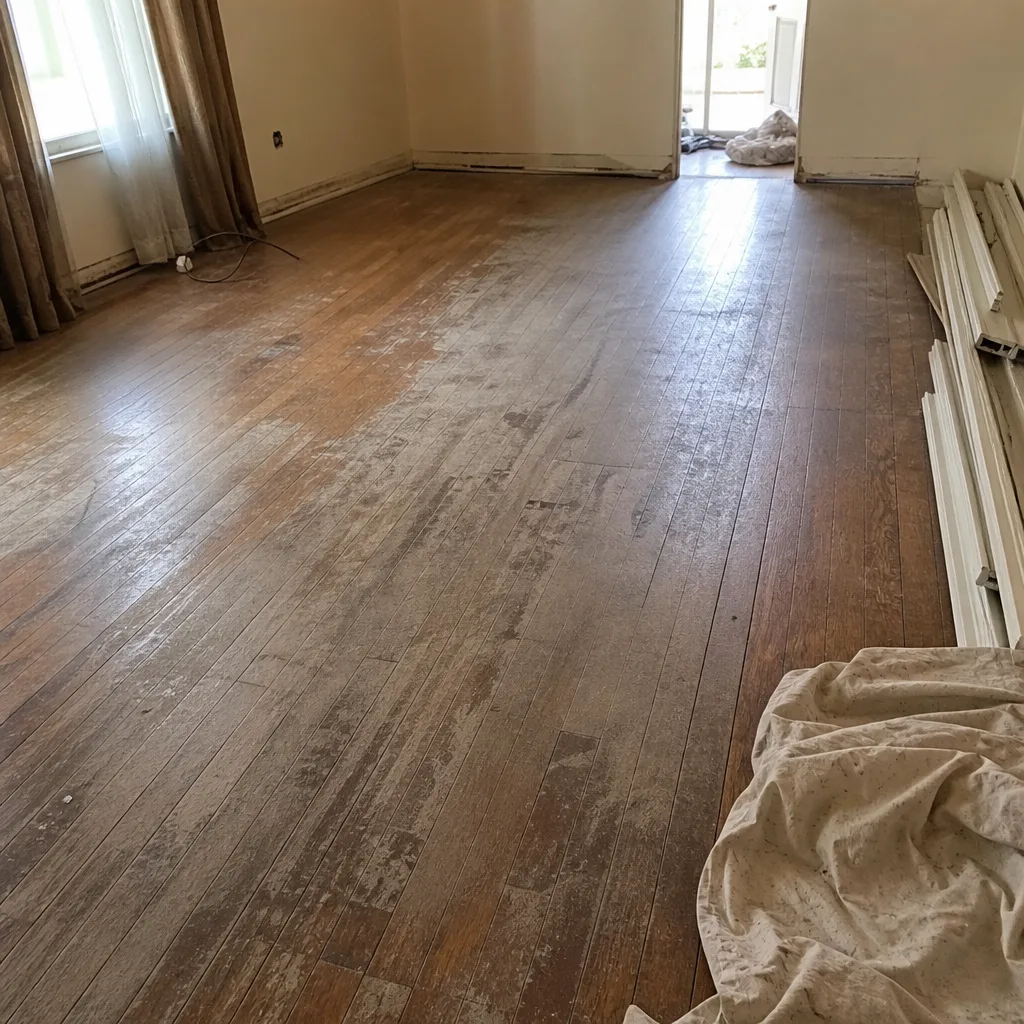 Before
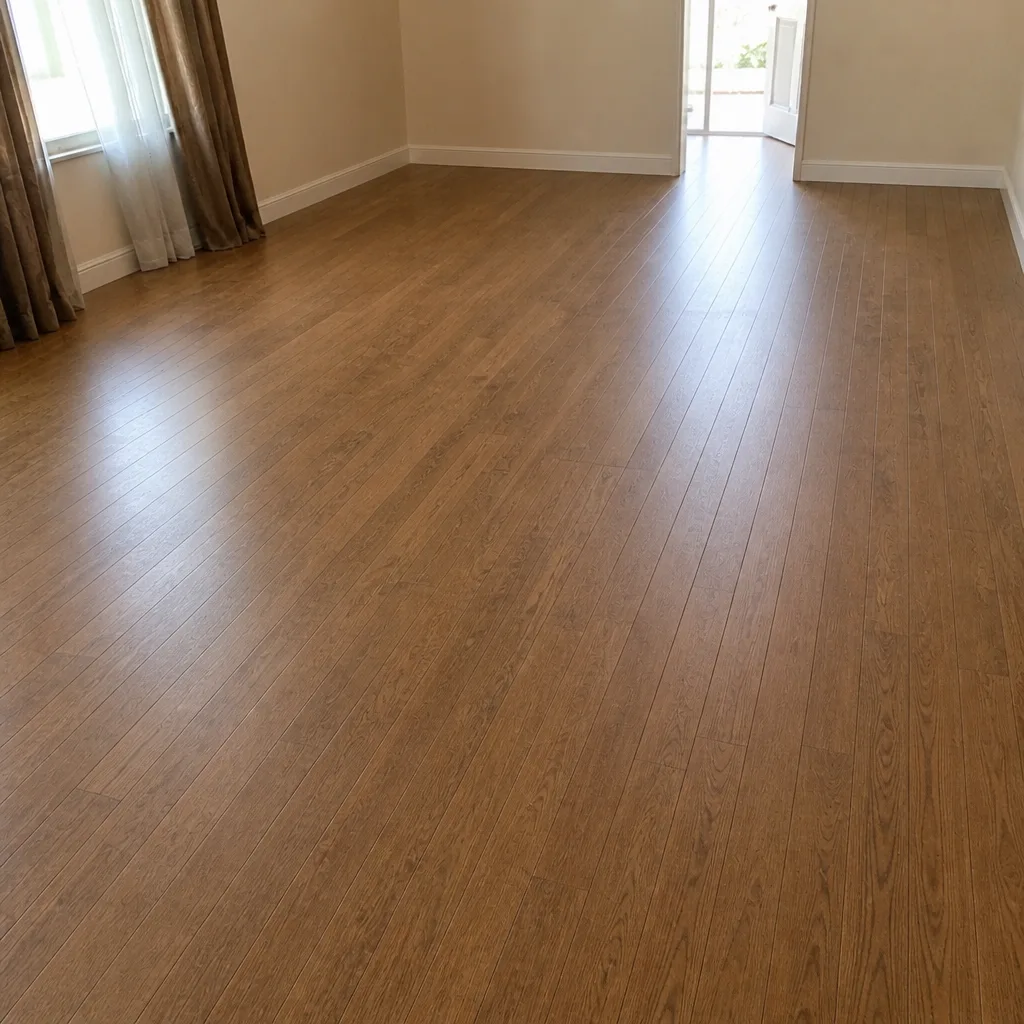 After
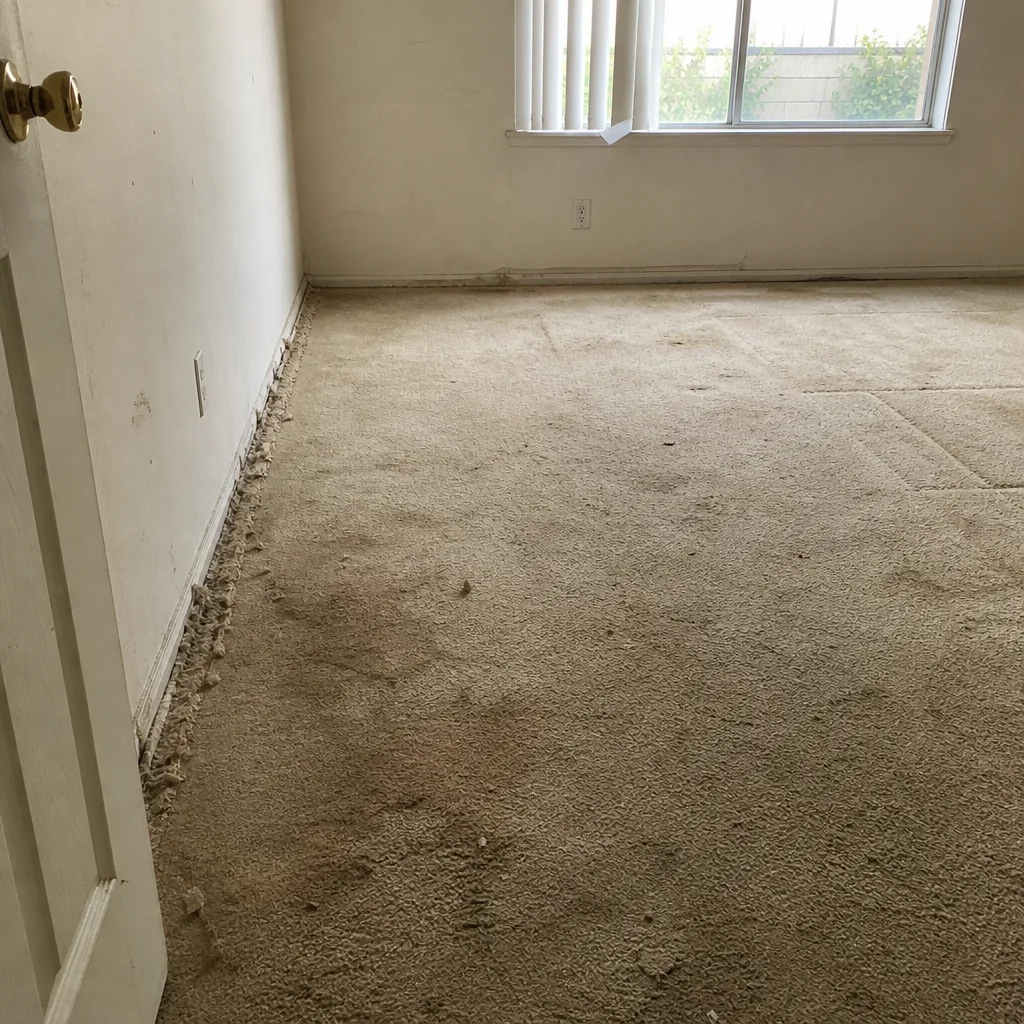 Before
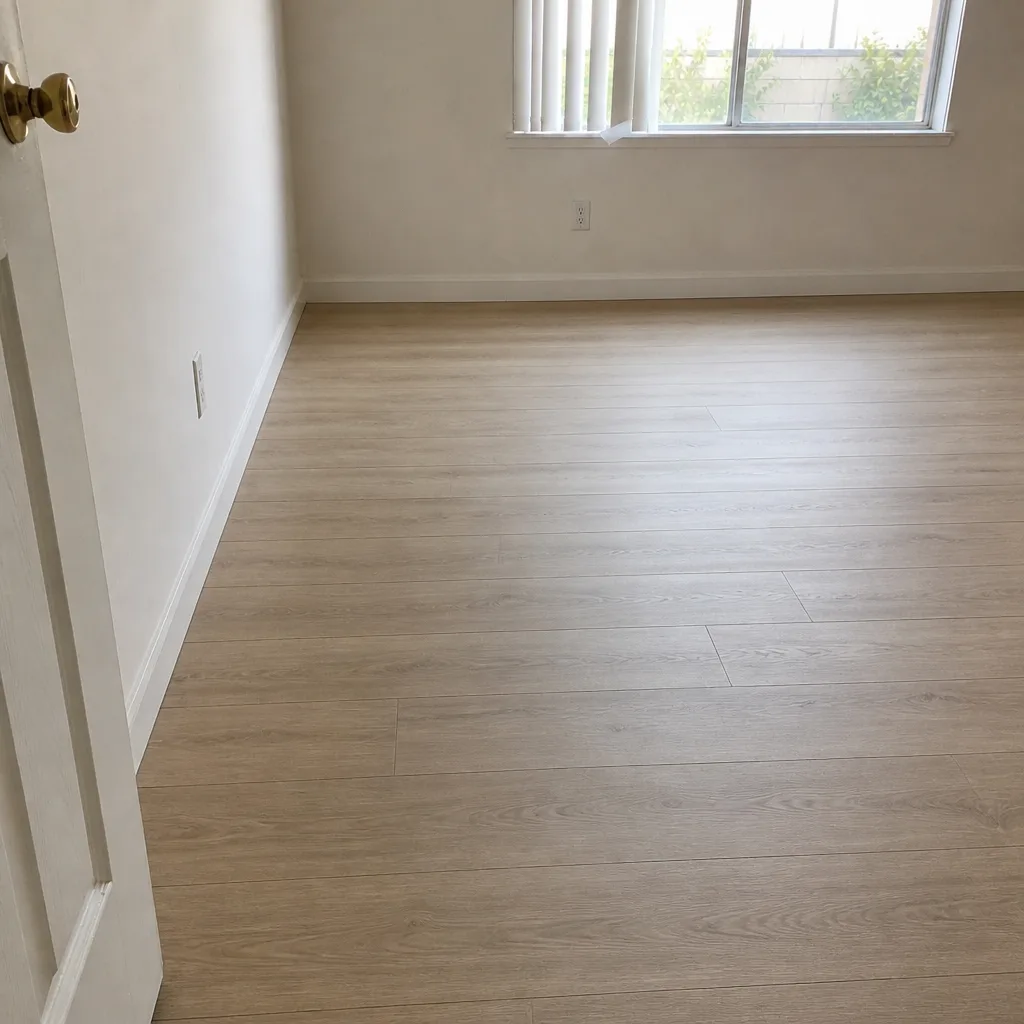 After
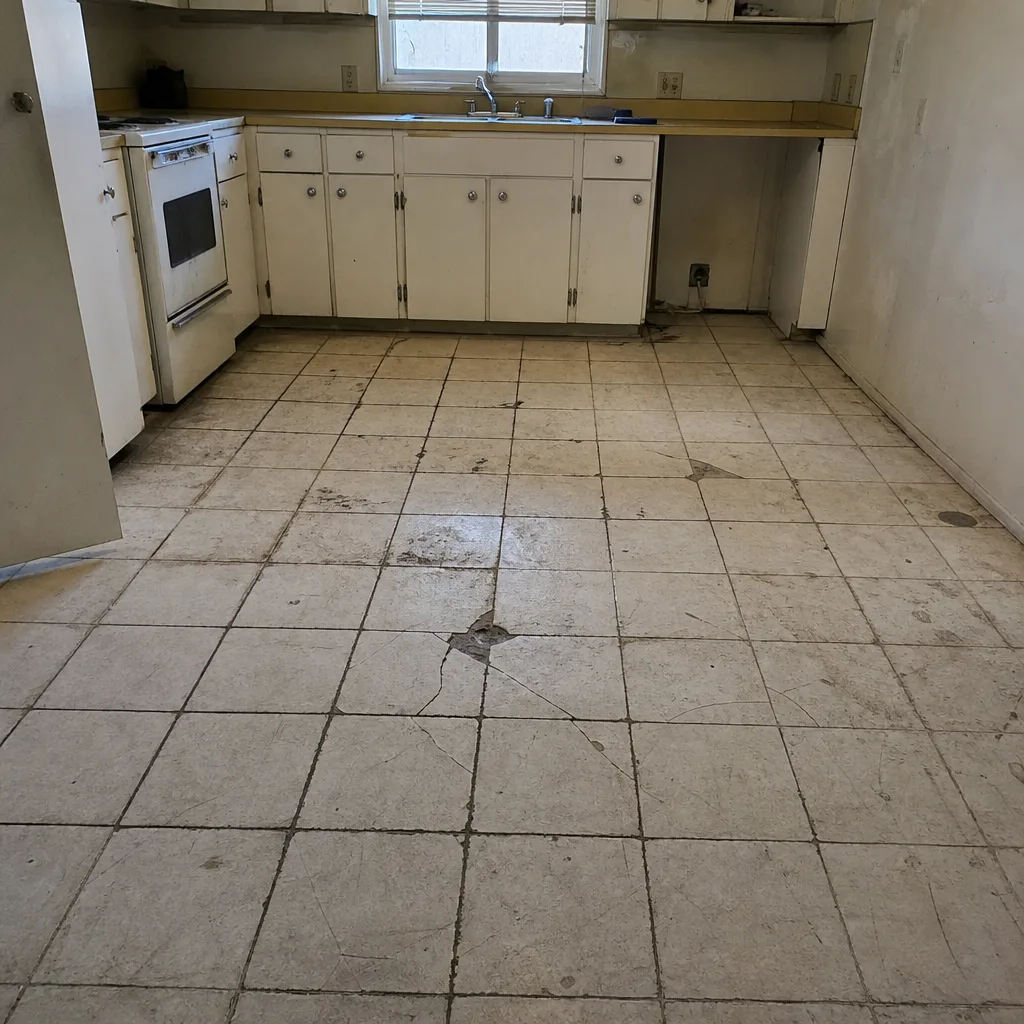 Before
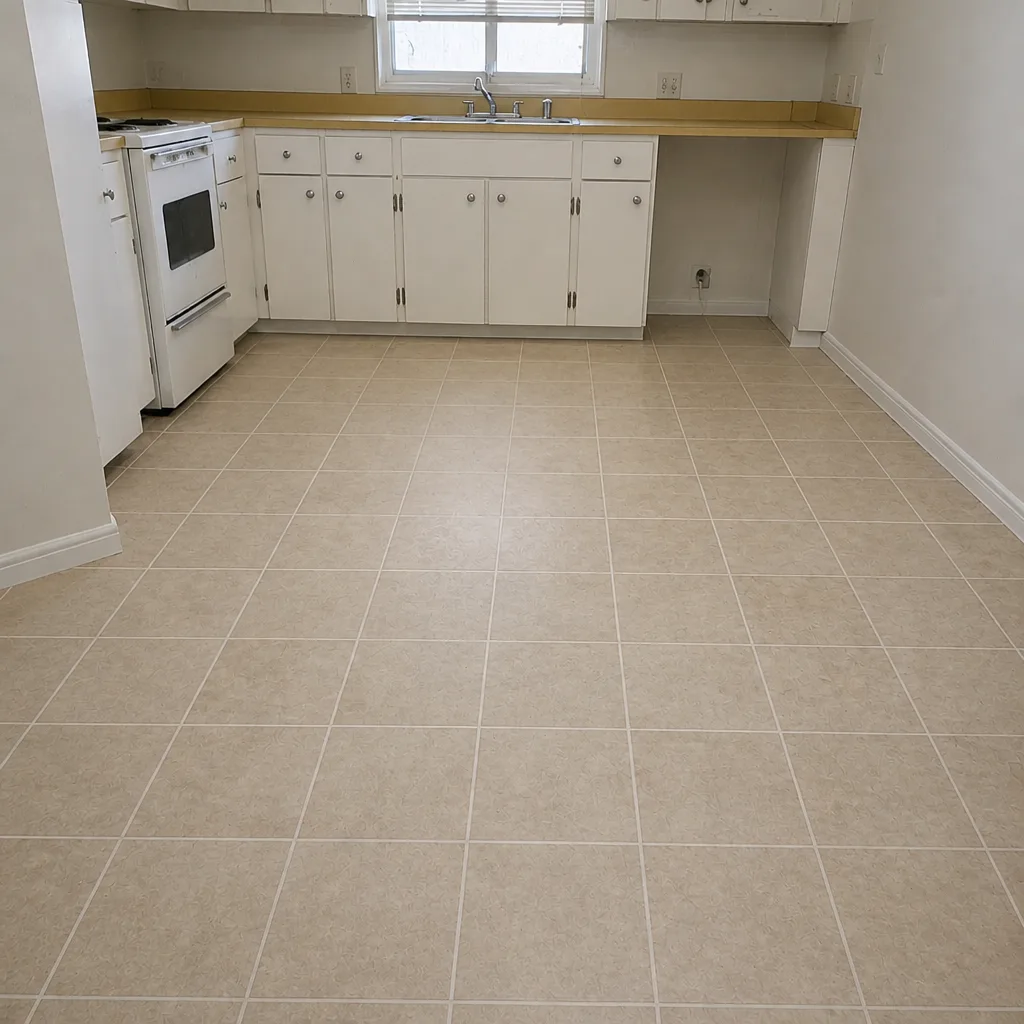 After
Frequently Asked Questions
Use the Nevada State Contractors Board (NSCB) license lookup before you sign a contract, and confirm the license is active, its classification covers flooring or finish carpentry work, and the business name matches your bid. The check takes about two minutes and it’s the most reliable protection you have. Call (888) 294-5867 for an exact quote, and estimates are free.
We can’t give you a number until we’ve seen the room, because pricing depends on the product, the square footage, the condition of the subfloor, and the scope of the job. What we can tell you is that the estimate is free, the price is written, and the written estimate sets the final price. Call (888) 294-5867 to schedule your free estimate.
Yes, the estimate is free, and it’s where we walk the rooms with you, check what’s under the existing floor, and confirm the product and scope are right before we price anything. You get a written quote, not a verbal guess. Call (888) 294-5867 to book the estimate for your free quote.
Nevada requires a C-20 Finish Carpentry license for flooring installation work over a certain project threshold, so ask what classification applies to your job before you hire anyone. Any contractor working above the threshold should be licensed and able to prove it. Call (888) 294-5867 to schedule your free estimate and we’ll answer the licensing question for your scope.
Yes, flooring material should adjust to your home’s temperature and humidity before it’s installed, and in a dry climate that step matters even more. The right acclimation time depends on the product and the home, so it belongs in your written estimate. Call (888) 294-5867 to get your free estimate and have that question answered for the product you choose.
The installation length depends on the product, the square footage, and what the demo reveals, so the schedule is set at the estimate and confirmed in your written contract. That’s not a hedge; it’s the only honest way to schedule a job whose subfloor you haven’t seen yet. Call (888) 294-5867 to schedule your free estimate and get a realistic schedule for your rooms.
The Bottom Line
Hiring a flooring contractor in Las Vegas comes down to five steps: verify the license through the NSCB, confirm the contractor specializes in flooring, ask the five expertise questions, compare normalized bids line by line, and put the full scope in writing before any work starts. The two desert-specific checks, acclimation and moisture testing on slabs, are the ones that most often get skipped and most often come back to cost you later. Do those, and the floor you get will match the floor you paid for. We install and service the floor you choose, and we’re glad to answer these questions at a free estimate. Call (888) 294-5867 to schedule yours. We answer 24/7, with fast dispatch from 7am to 7pm, Sunday through Friday.
Written by the team at Flooring Installation Las Vegas.